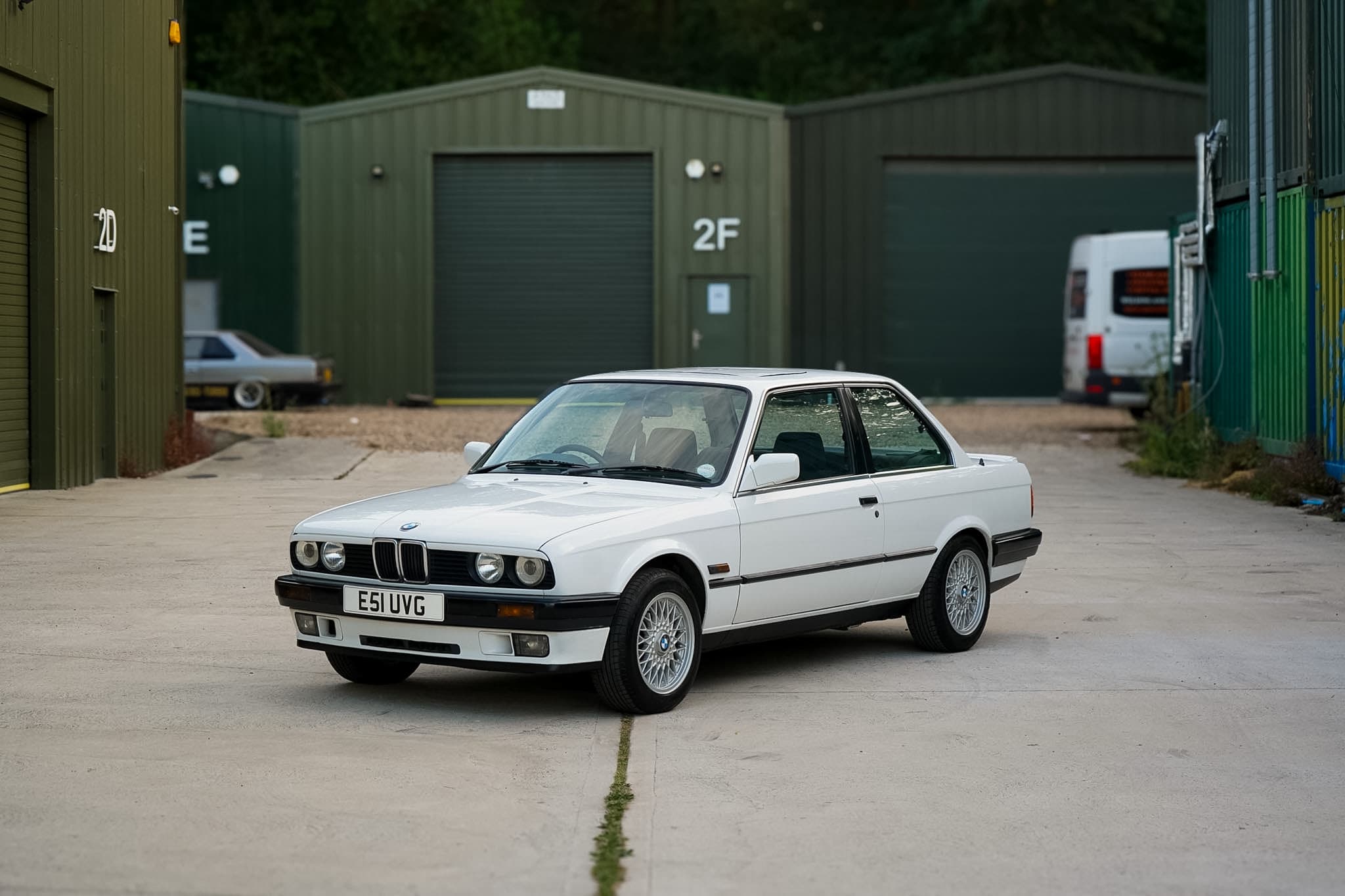
Identity
- Market segment
- Premium mid-size
Model
Launched in 1975 as the successor to the 02 Series, the BMW 3 Series has evolved through seven generations of saloons, Touring estates, coupés, convertibles and M cars.
At a glance
Generation directory
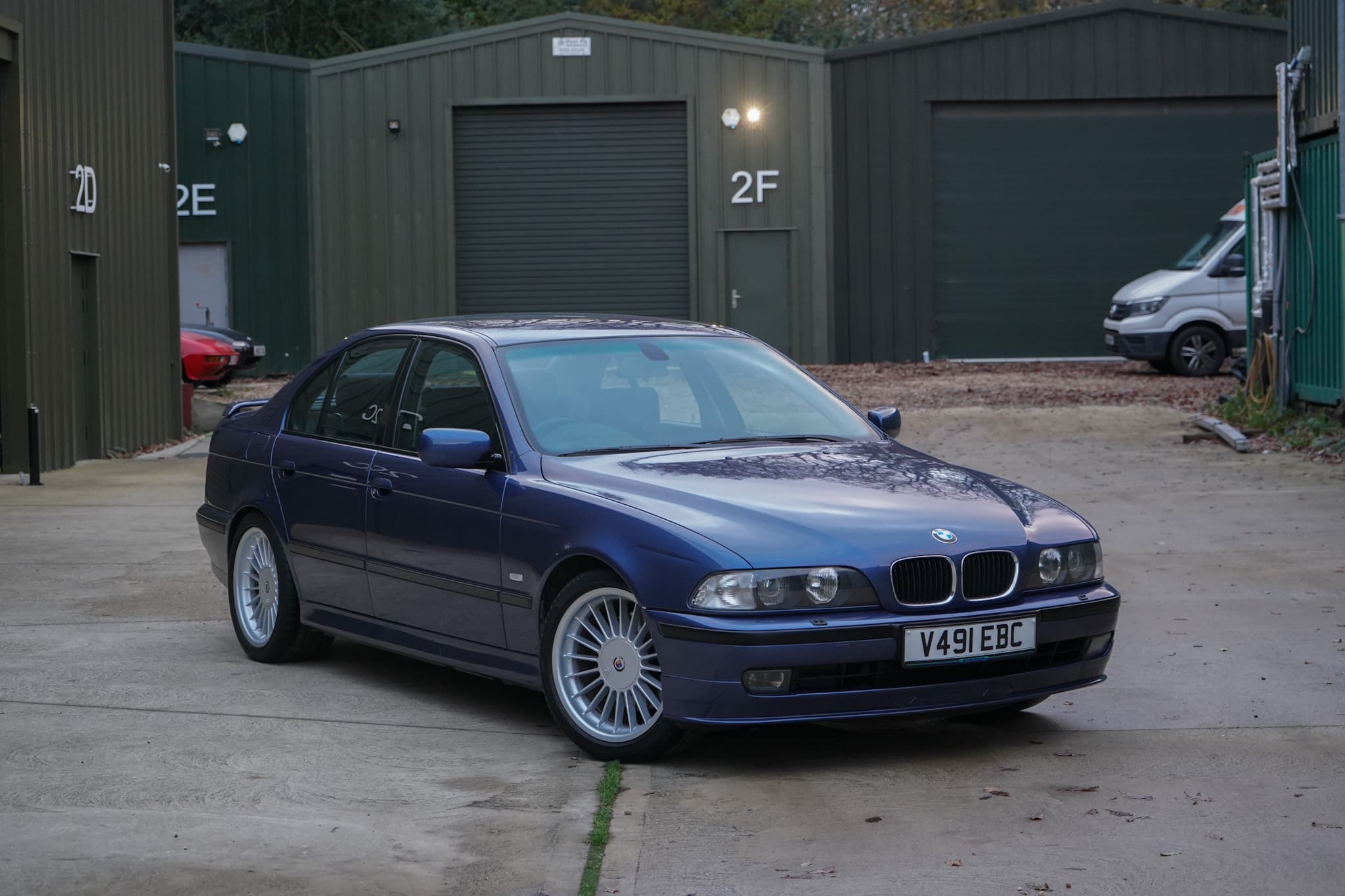
Choose a 3 Series generation to see its production years, body styles, engines, chassis changes and variants.
TMJC Catalog guide
Launched in 1975 as the successor to the 02 Series, the BMW 3 Series has evolved through seven generations of saloons, Touring estates, coupés, convertibles and M cars.
The BMW 3 Series arrived in 1975 as the successor to the 02 Series. The original E21 established the name around a compact, driver-focused rear-wheel-drive car; the generations that followed kept that broad idea while changing almost everything around it.
BMW says more than 20 million 3 Series have been sold across seven generations. For a buyer or enthusiast, the important point is that “3 Series” describes a long-running model family, not one fixed specification.
Chassis codes are the easiest way to separate the major eras. The E21 began the line, the E30 broadened it dramatically, and later E36, E46, E9x, F30 and G20 generations added new body styles, engines, safety systems, electronics and drivetrain technology.
If you are comparing cars, start with the generation before looking at engine size or trim. A familiar badge can mean something very different depending on the chassis code and year.
The first E21 was a two-door car. The E30 added four doors, BMW-built Convertible and Touring versions, diesel power, all-wheel drive and the first M3. Later generations introduced dedicated coupé bodywork, more sophisticated chassis systems, wider use of turbocharging and eventually the split that moved coupé and convertible derivatives into the 4 Series family.
That evolution is why generation pages are useful: they let you compare the engineering and body range of one period before drilling into an exact derivative.
Rear-wheel drive and six-cylinder engines are closely associated with the 3 Series, but the range has also included four-cylinder petrol cars, diesels, all-wheel-drive models, hybrids and high-performance M3 derivatives. Engine codes, outputs and transmissions should therefore be checked against the exact generation and market.
For classic-car research, the useful comparison is often not simply “which 3 Series is fastest?” but which generation and derivative best fits the intended use, originality goals and ownership budget.
Use the generation directory above to answer the next level of questions: production years, body styles, engine families, facelift changes, chassis design, common problems and notable variants. From there, an exact variant page can carry the detailed engine, gearbox, performance and dimensions data.
Model lineage
Specifications
TMJC media
Sell, consign or editorial
Continue with TMJC for a discreet conversation, professional presentation and collector-focused support.
Enquire now