Model
911
A guide to Porsche 911 generations from the 1963 901 debut and September 1964 production launch, covering major engineering changes, body styles and buying checks.
Generation directory
911 generations
Choose a 911 generation to see its production years, body styles, engines, chassis changes and variants.
TMJC Catalog guide
Porsche 911 generations: history and model guide
A guide to Porsche 911 generations from the 1963 901 debut and September 1964 production launch, covering major engineering changes, body styles and buying checks.
- Page
- Model overview
- Reviewed
- 8 Sept 2026
- Specifications
- 0 verified
The Porsche 911 is a rear-engined sports-car family whose shape and mechanical priorities have been continuously developed since the 1960s. Porsche unveiled the new car as the 901 on 12 September 1963, then put it into series production as the 911 in September 1964. That distinction matters: 1963 is the public debut, while September 1964 is the start of series production.
More than sixty years later, the 911 still occupies the same unusual territory. It is recognisable as a compact 2+2 with its engine behind the rear axle, yet its cooling, suspension, safety systems, transmissions, body range and performance envelope have changed repeatedly. The name therefore describes a lineage rather than one fixed specification.
Where did the Porsche 911 come from?
The 911 followed the Porsche 356 and was designed by F.A. Porsche, Ferry Porsche's son, with his team. Its original ingredients were a fastback coupé body, a rear-mounted flat-six and two small rear seats. The 901 name changed before full production after a naming dispute, but the three-digit 911 identity became permanent.
Early development established several themes that Porsche would revisit for decades. The Targa appeared in the 1960s as an open-roof answer with rollover protection. The Carrera RS 2.7 added lightweight construction and an aerodynamic rear spoiler. Turbocharging moved from competition work into the road range in the 1970s. Each began as a response to a particular technical or regulatory problem and became part of the wider 911 vocabulary.
Porsche 911 generations: 1963 to today
Porsche groups the model into eight generations. Their date bands overlap because a new type can be introduced while the outgoing one remains in production.
| Generation | Porsche date band | Why it matters |
|---|---|---|
| Original 911 | 1963-1973 | Established the rear-engine flat-six layout; Targa and Carrera RS became lasting reference points. |
| G series | 1974-1989 | Brought impact-bumper bodywork, the road-going Turbo and, later, a full Cabriolet. |
| 964 | 1988-1994 | Added Carrera 4 all-wheel drive and modernised the underlying car with systems including ABS and power steering. |
| 993 | 1993-1998 | The final air-cooled generation; its Turbo combined twin turbochargers with all-wheel drive. |
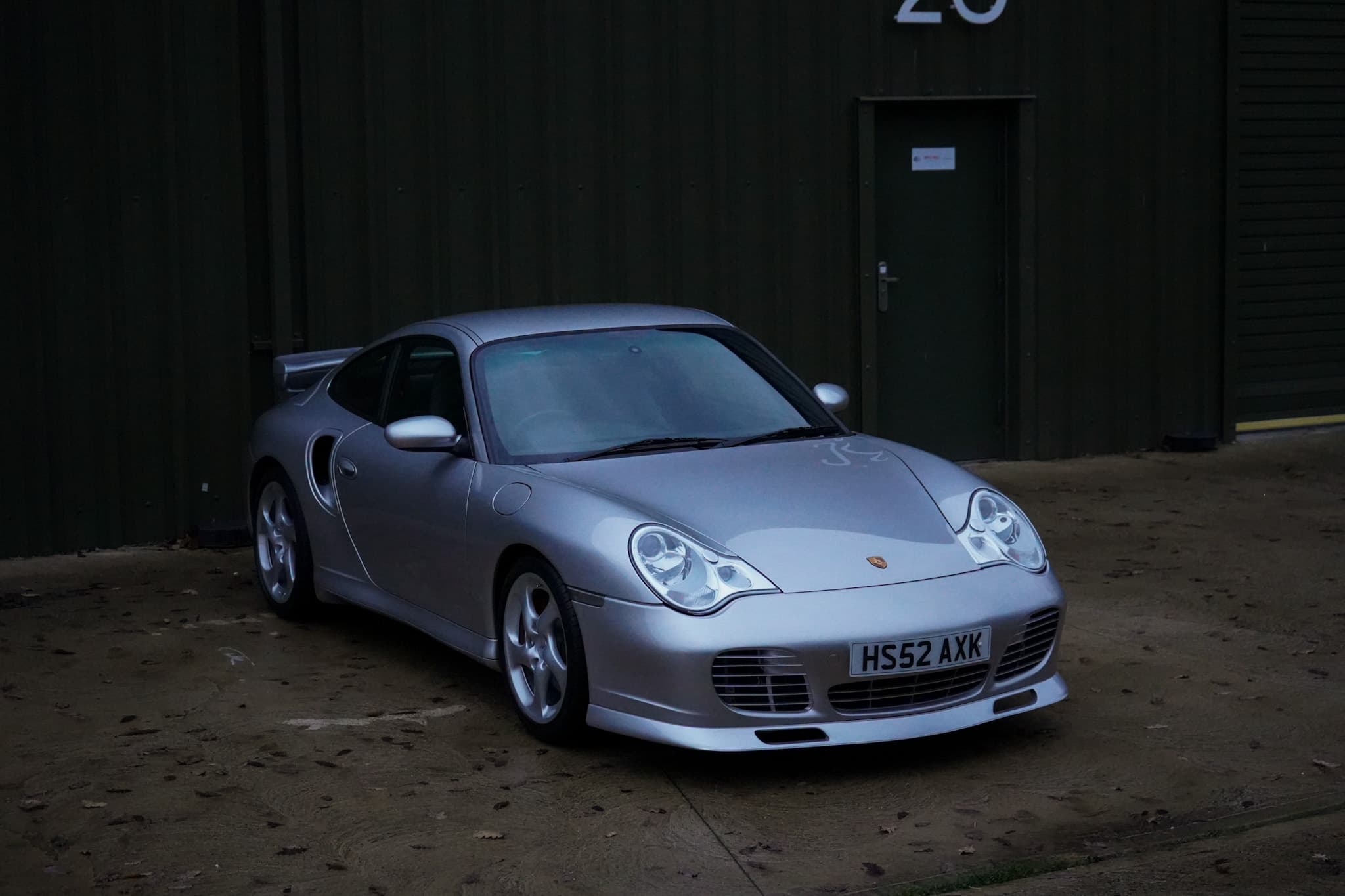
| 996 | 1997-2005 | Began the water-cooled era, introduced a larger body and established the GT3 road-car line. |
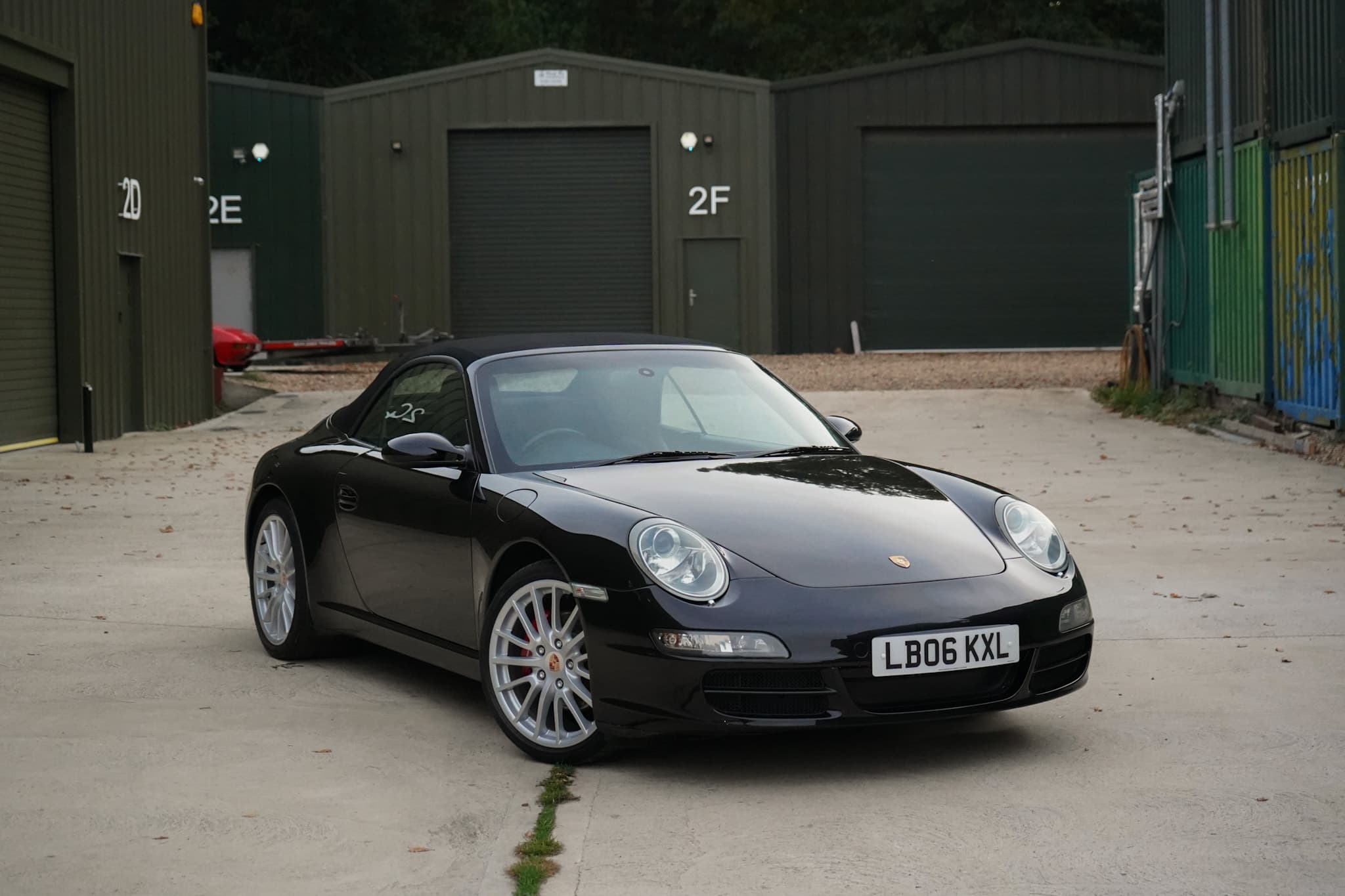
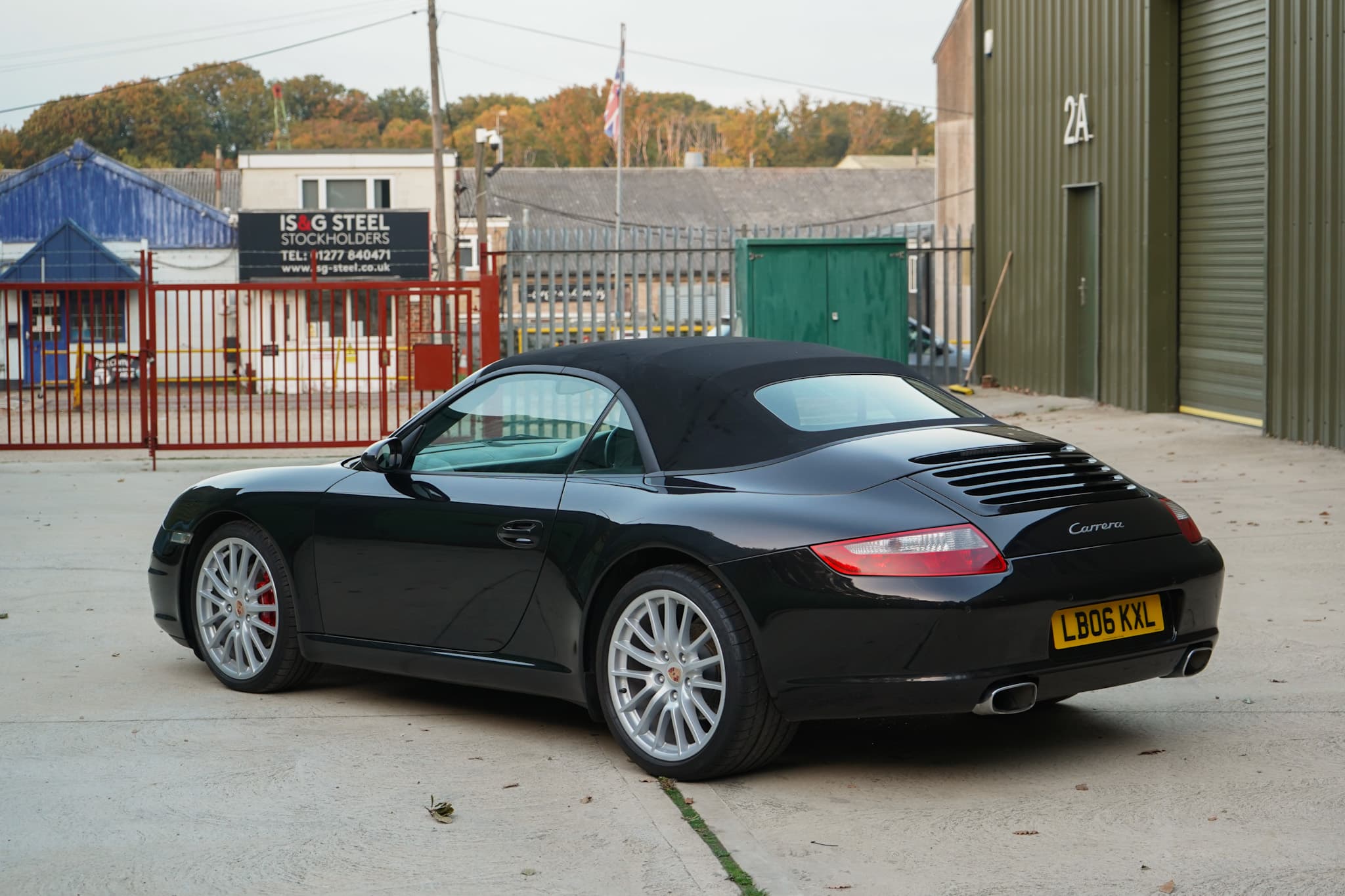
| 997 | 2004-2012 | Refined the water-cooled formula and broadened the modern derivative range, including the return of GTS. |
| 991 | 2011-2019 | Brought turbocharging to the regular Carrera range during the generation. |
| 992 | 2018 onward | Continues the Coupé, Cabriolet and Targa range alongside touring, GT, Turbo and limited collector derivatives. |
These labels are the sensible starting point for any 911 search. A year alone is not always enough at a changeover, and a badge such as Carrera, Turbo, GTS, GT3 or RS means something different in each technical era.
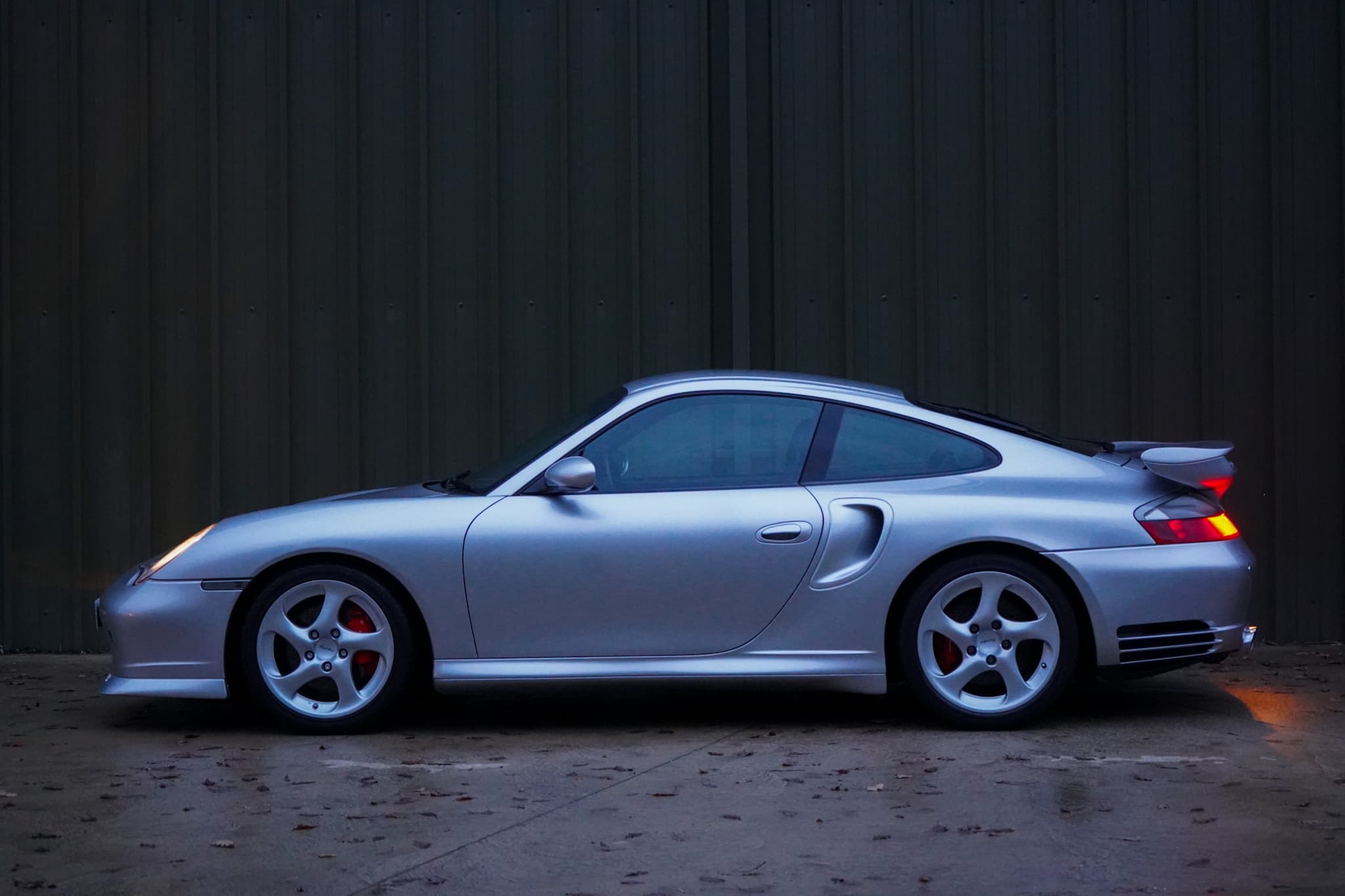
The Porsche 911 Type 996 page goes deeper into the fifth generation, including the early and facelift cars, the naturally aspirated Carrera range and the distinct Turbo/GT engine family. The 996 Turbo X50 page then narrows the question to one factory performance derivative.
Air-cooled vs water-cooled Porsche 911
The most useful high-level dividing line is 1997. Original, G-series, 964 and 993 cars used air-cooled flat-six engines. Type 996 changed the production 911 to water cooling, a major redesign driven by performance, efficiency and emissions requirements.
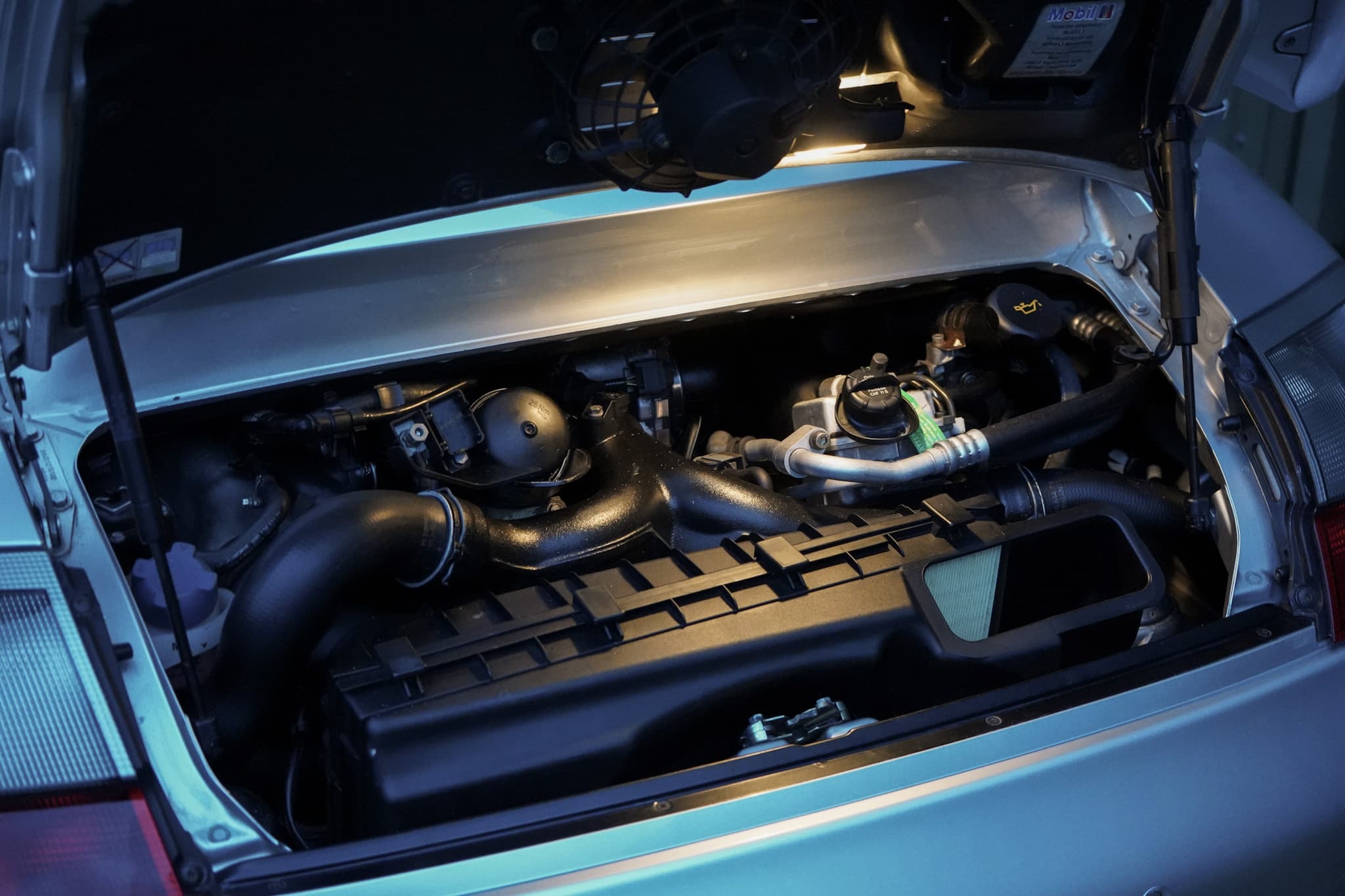
That change did not erase the model's identity, but it does change how a buyer should research one. Air-cooled cars bring their own age, corrosion, originality and mechanical questions. Water-cooled Carreras introduce different engine designs and service concerns, while Turbo and GT derivatives may use materially different architecture from the Carrera beside them. “A 911 engine” is therefore never enough identification for a parts, maintenance or buying decision.
Porsche 911 body styles: Coupé, Targa and Cabriolet
The Coupé is the original 911 form, but open cars are part of the model's history rather than a modern afterthought. Porsche presented the first Targa in the 1960s. The roof concept has changed from the early removable-panel and rollover-bar arrangement through sliding-glass interpretations and the later powered mechanism, but the name has remained.
A full Cabriolet joined the 911 range in the early 1980s. Since then, Coupé, Cabriolet and Targa versions have often overlapped, with rear- or all-wheel drive and several performance levels. Body style can alter weight, roof operation, structural feel, luggage arrangements and inspection priorities, so specifications should always be compared like for like.
Carrera, Turbo, RS and GT
Carrera is the central road-car branch across much of the modern range. Carrera 4 introduced all-wheel drive to series-production 911s with the 964 generation, and later eras expanded the mix of two- and four-wheel-drive Carrera, S and GTS models.
The road-going Turbo arrived in the 1970s and became a recurring high-performance flagship. Its role evolved from a demanding rear-drive homologation-era car to an all-wheel-drive, deeply capable grand tourer. A Turbo badge should not be treated as a single specification across decades.
RS and GT cars sit closer to Porsche's competition priorities. The early Carrera RS set the lightweight pattern; Type 996 introduced the GT3 name as a successor to that idea, while GT2 used turbocharged power with rear-wheel drive. Later GT3, GT3 RS and GT2 RS cars developed their own chassis, aerodynamic and engine identities. They need derivative-level research rather than assumptions based on a standard Carrera.
How to choose a Porsche 911 generation
Start with the generation, then identify body, driven wheels, engine and gearbox before comparing condition or value. For an older car, verify chassis identity, corrosion repairs, engine and gearbox numbers where relevant, and whether modifications are documented and reversible. For later cars, the build specification, service intervals, diagnostic history, cooling and roof systems, suspension wear and evidence of accident repair become increasingly important.
A specialist pre-purchase inspection should be matched to the exact generation. The familiar internet shorthand around one failure point can be misleading when it is applied to every Carrera, Turbo and GT car. Strong history is more useful when invoices, factory records and physical condition agree. The collector-car provenance checklist sets out a practical way to reconcile those records.
The 911 in the TMJC collection
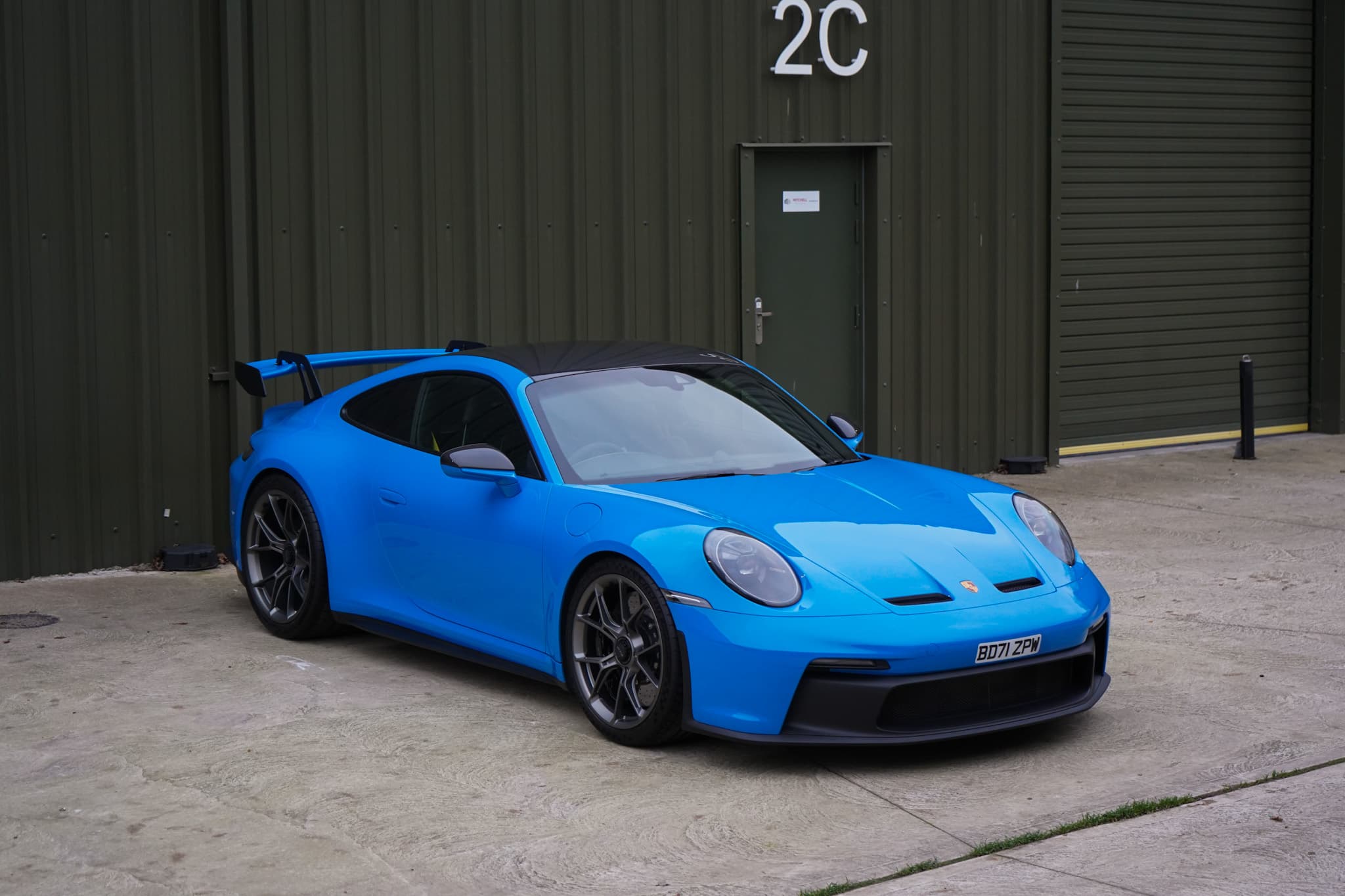
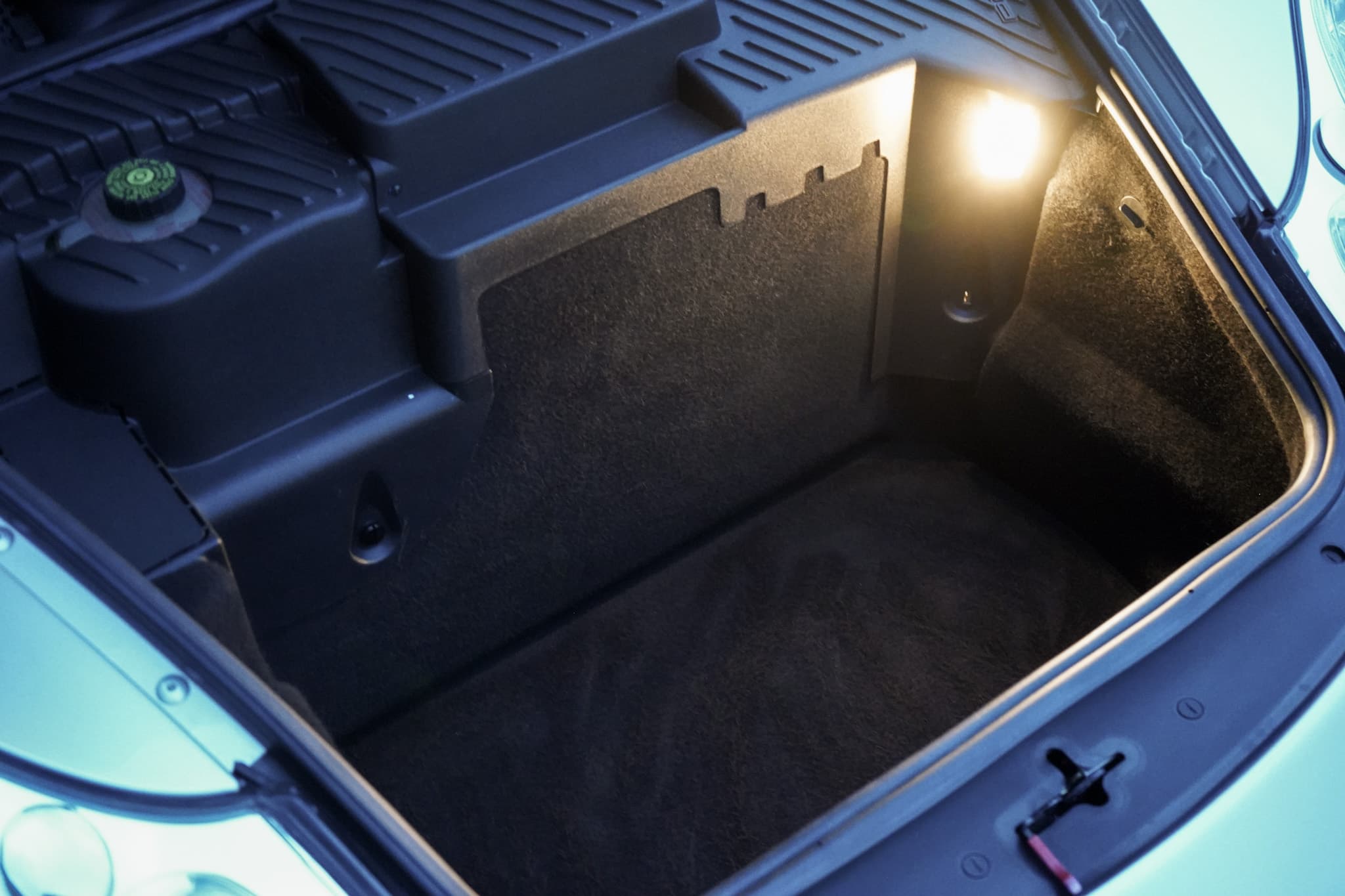
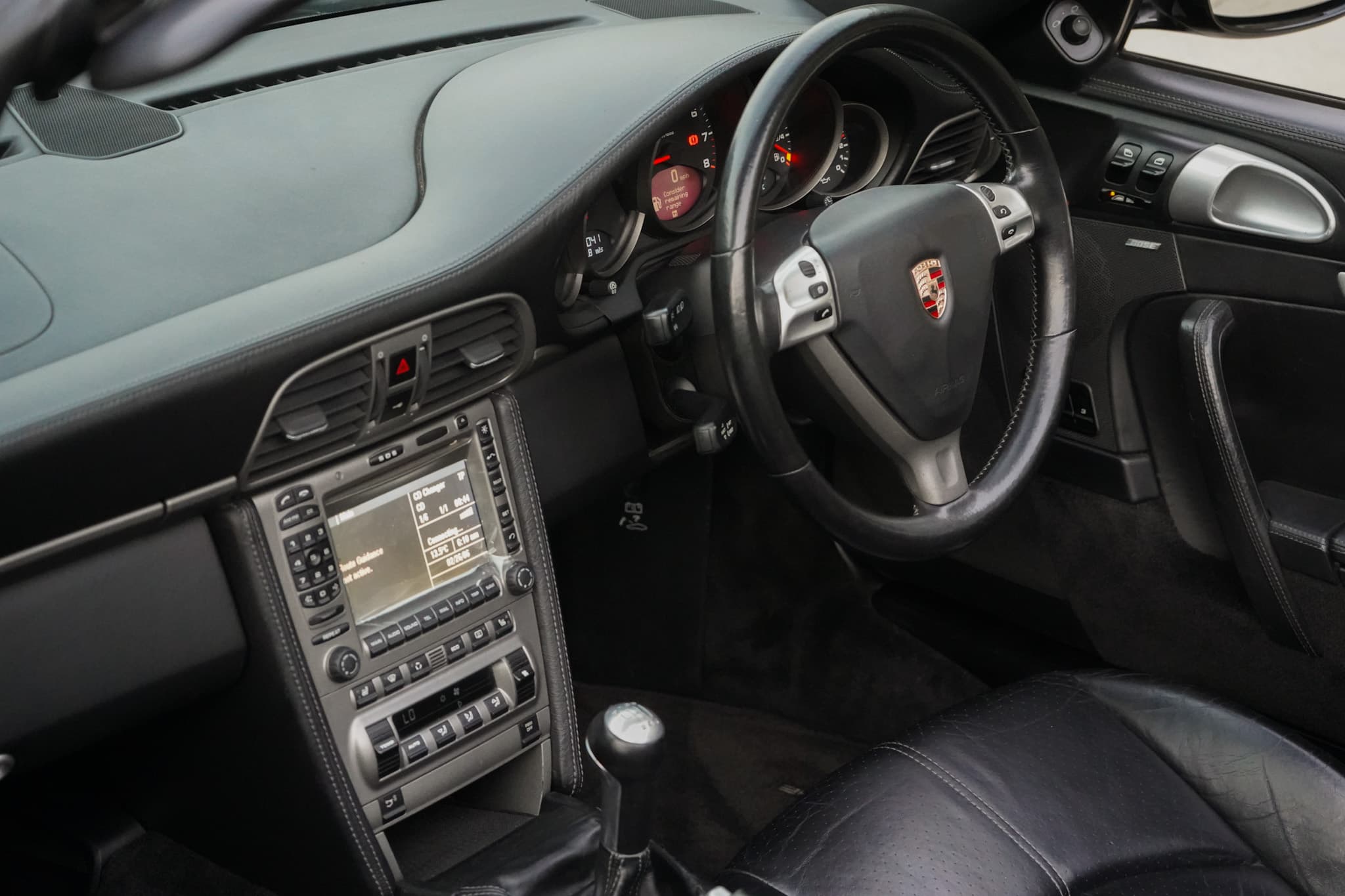
TMJC material shows why model-level history and individual-car evidence should remain separate. A 2003 996 Turbo X50 Cabriolet illustrates factory-option verification and long-term service documentation. A 2018 991.2 Targa 4 GTS shows the later combination of turbocharged Carrera-family power, all-wheel drive, PDK and the modern Targa roof. A 2022 992 GT3 represents the current GT branch.
Those cars demonstrate the breadth of the 911 family; none supplies a universal specification. Colour, mileage, equipment, transmission, maintenance and market history belong to the individual vehicle. The first question remains: exactly which 911 is it?
Explore the wider Porsche model family or continue into the Type 996 generation.
Sources and further reading
Model lineage
Where this car sits
TMJC media
Explore the car in detail
Sell, consign or editorial
Thinking of selling or consigning a special car?
Continue with TMJC for a discreet conversation, professional presentation and collector-focused support.
Enquire now