
TMJC assistance
Want TMJC to help with this vehicle?
Sourcing, consignment and valuationContinue to the main TMJC website and speak directly with the collection team.
Manufacturer
Porsche began as a Stuttgart engineering office in 1931 and dates its sports-car brand to 1948. Explore the crest, 356, 911, transaxle era and motorsport engineering.
Model directory
Choose a Porsche model family to compare its generations, engines, body styles and collector context.
TMJC guide
Porsche began as a Stuttgart engineering office in 1931 and dates its sports-car brand to 1948. Explore the crest, 356, 911, transaxle era and motorsport engineering.
Porsche began as an engineering office in Stuttgart in 1931, but the sports-car brand marks its birth on 8 June 1948, when the 356 "No. 1" Roadster received its operating permit in Gmund, Austria. The two dates mark different milestones: 1931 is the origin of the company and its design work; 1948 is the start of cars carrying the Porsche name.
Today Porsche AG is headquartered in Stuttgart-Zuffenhausen, Germany. Its history is often reduced to the 911, yet the marque has also built rear-, mid- and front-engine road cars, grand tourers, SUVs and electric performance cars. Across those formats, Porsche repeatedly combines performance, compact engineering, everyday usability and a recognisable design identity; no single engine position defines the marque.
Ferdinand Porsche established his independent engineering office in Stuttgart in 1931. The business initially worked for outside manufacturers, and its numbered projects included designs far removed from the later Porsche road-car range.
During the Second World War the office moved to Gmund in Carinthia. In 1947 Ferry Porsche and Louise Piech established Porsche Konstruktionsburo GmbH there. Ferry's proposed sports car carried project number 356, and the mid-engine 356 "No. 1" Roadster was approved on 8 June 1948. Porsche treats that date as the birth of its sports-car brand.
The production 356/2 adopted a rear-engine layout. Manufacturing returned to Stuttgart-Zuffenhausen in 1950, where series production expanded. The 356 established the lightweight, compact sports-car idea that Porsche would develop rather than simply repeat.
The Porsche crest is deliberately rooted in Stuttgart rather than being a generic racing badge. The rearing horse at its centre comes from the city's seal; Porsche also notes that Stuttgart's name itself traces back to a stud-farm origin. Around it, the red and black fields and stylised antlers come from the historic coat of arms of Württemberg-Hohenzollern. The Porsche name sits across the top.
The crest arrived after the cars themselves. Porsche records an unsuccessful design competition in 1951, followed later that year by US importer Max Hoffman pressing Ferry Porsche for a stronger visual identity. Ferry returned to Germany and commissioned Porsche designer Franz Xaver Reimspiess, whose design first appeared on a 356 steering-wheel hub in 1952.
For a collector, that history has a practical consequence. Porsche has refined the crest repeatedly while keeping the same core heraldic elements, so a badge that looks broadly correct is not automatically the right version for a particular historic car. Model year, build records and period-correct Porsche references should take priority when originality matters.
The 356 remained in production into the mid-1960s. Its successor was shown at Frankfurt in September 1963 as the 901, then entered full production in 1964 and became the 911 after the model name changed. The 911 retained the rear-engine, two-plus-two concept while introducing a new flat-six engine and a shape that could evolve over successive generations.
That continuity makes the 911 central to Porsche history, but it should not obscure how much changed underneath it. Air cooling eventually gave way to water cooling; naturally aspirated road cars were joined by turbocharged derivatives; all-wheel drive became part of the range; and internal type numbers such as 964, 993 and 996 became essential for identifying a generation accurately.
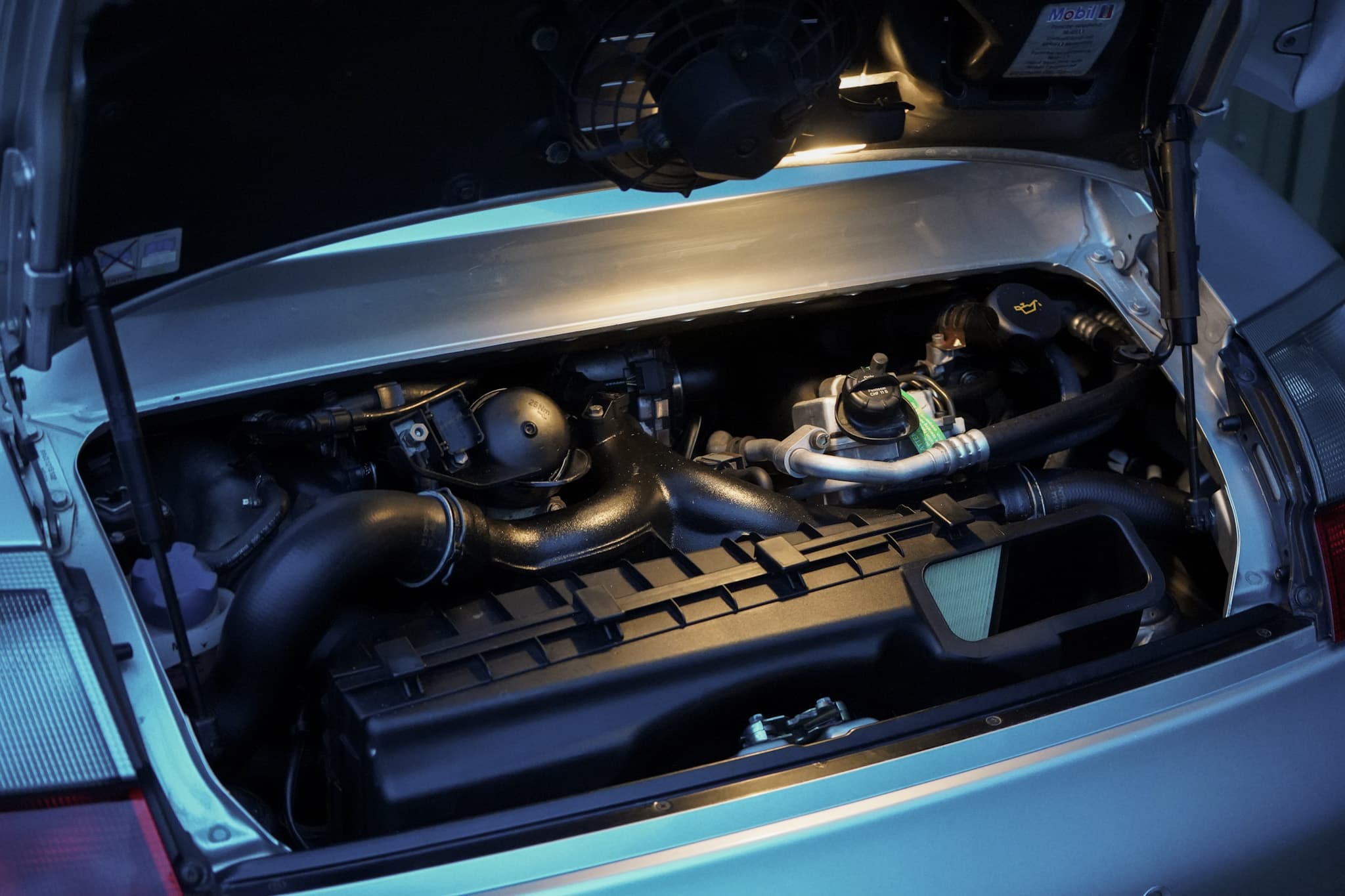
Start with the Porsche 911 model reference, then move to the 996 generation when specifications and buying questions need tighter applicability. For the X50 package, the verification guide below focuses on factory-option evidence and provenance.
Porsche road-car layouts have never been limited to the 911 formula. The 914 added a smaller mid-engine sports car. In the 1970s Porsche also committed to a front-engine transaxle architecture that deliberately moved away from the familiar rear-engine layout. The 924 placed the engine at the front and the transmission at the rear, linked by a rigid shaft, so mass could be distributed more evenly between the axles. Porsche's own archive describes that balance as a central reason for the concept.
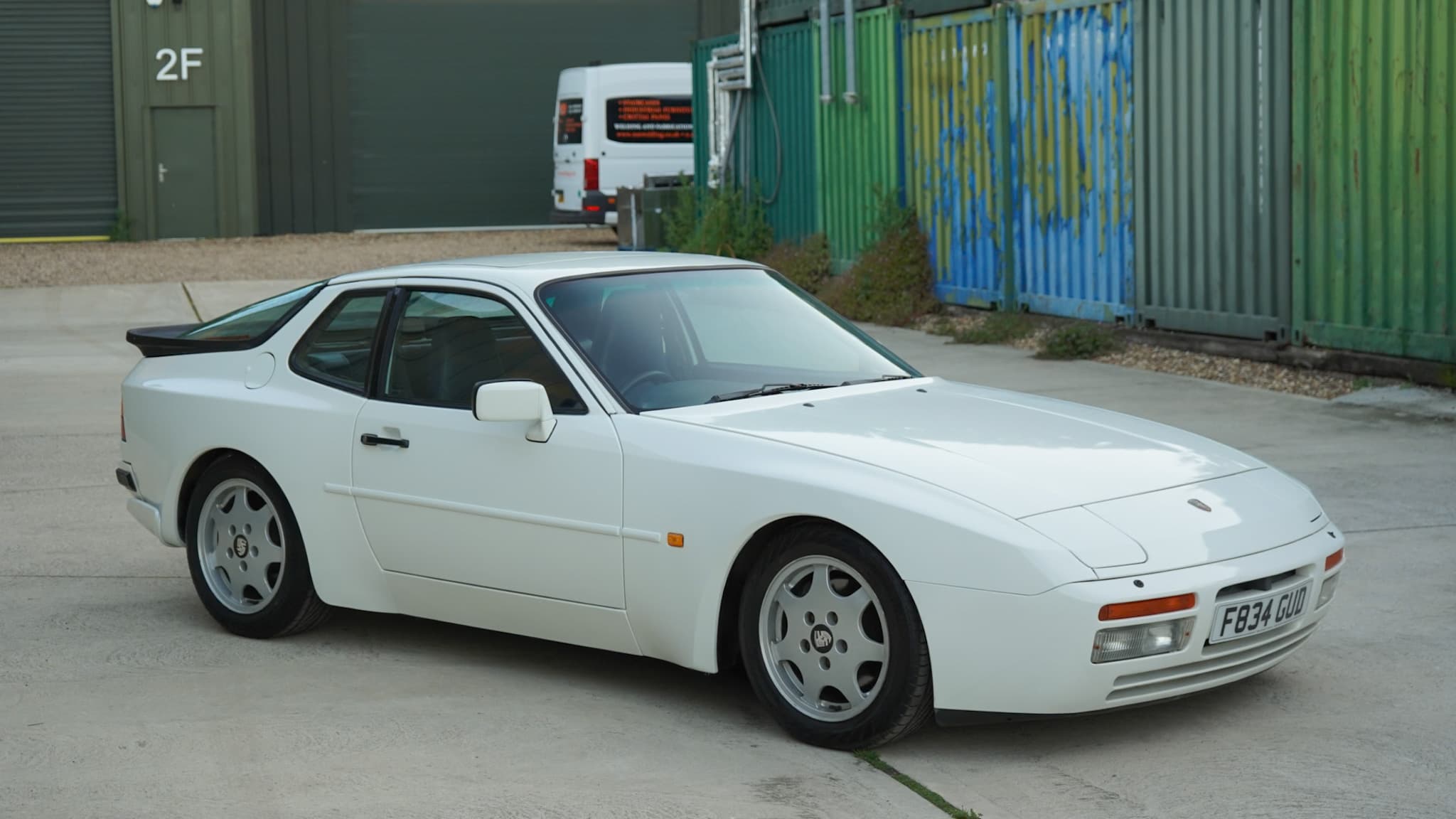
The 928 adopted the same basic packaging principle for a very different role: a larger V8 grand tourer. The 944 and later 968 continued the transaxle family, showing that this was not a one-model experiment but a sustained engineering direction running alongside the 911.
The transaxle cars broadened what a Porsche could be without simply copying the 911. They pursued stability, everyday usability and balanced handling through a different mechanical layout, while leaving the detailed engine, gearbox and market differences to the individual model families.
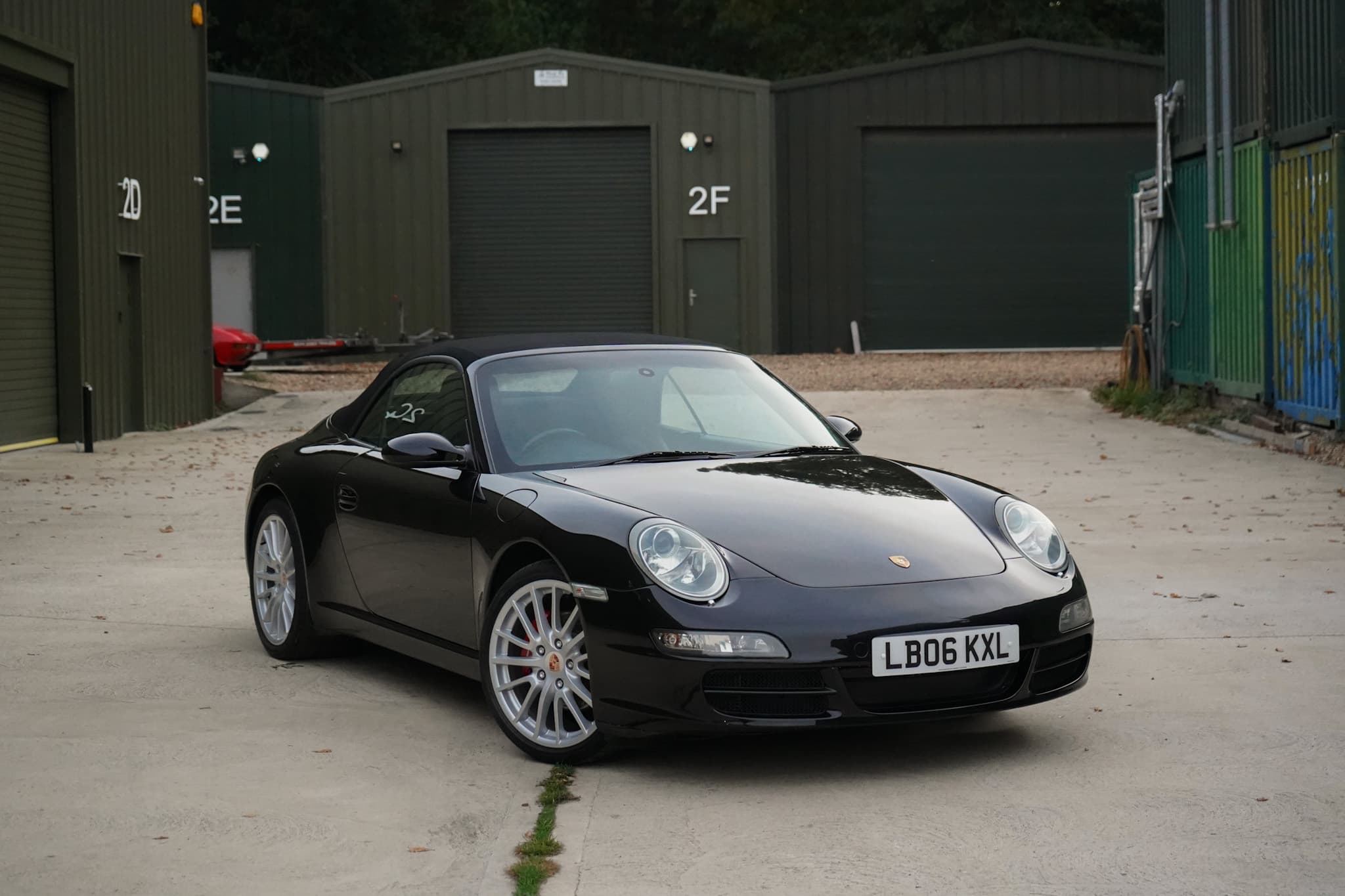
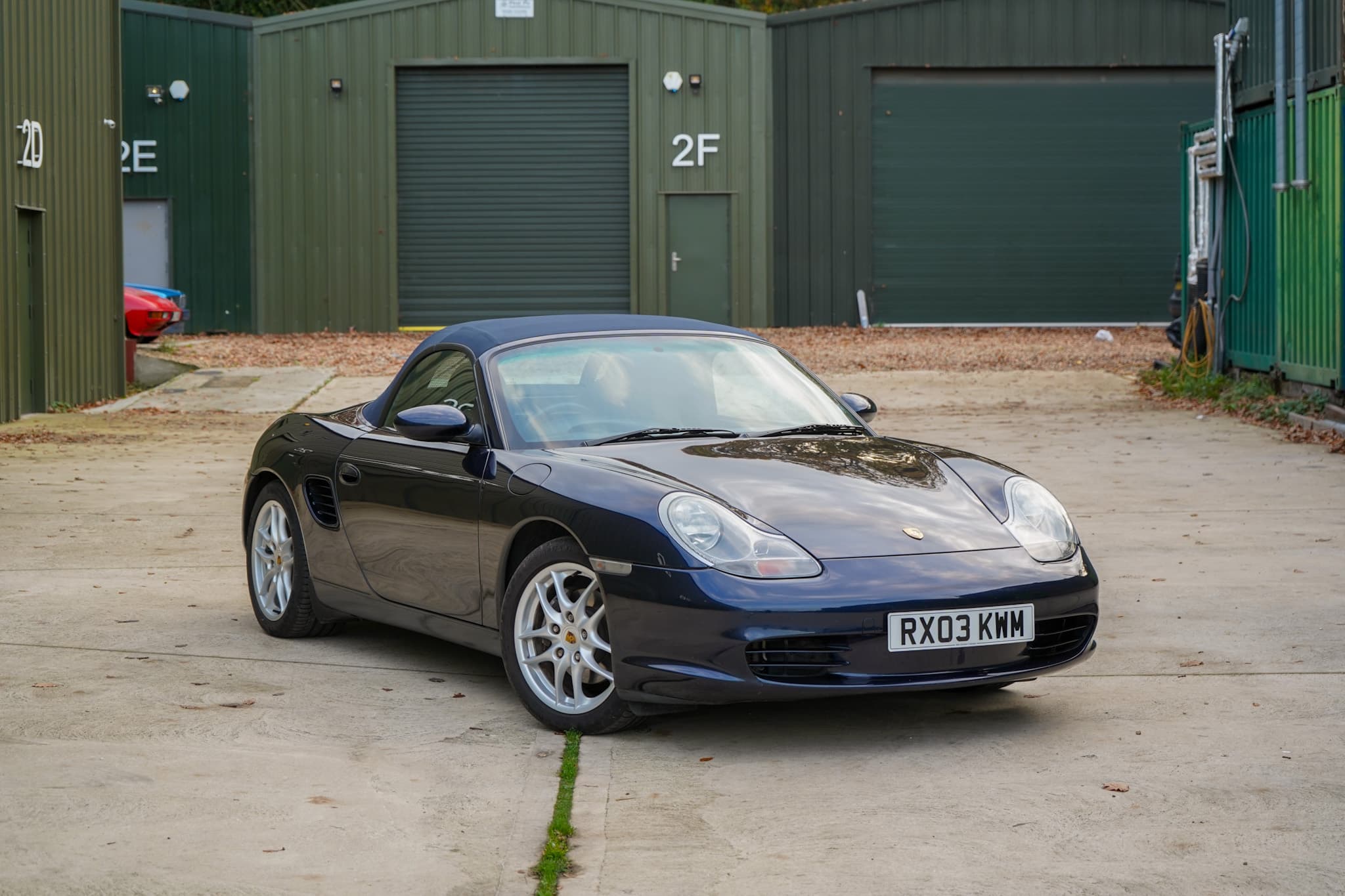
The mid-engine Boxster arrived in the 1990s and shared a new production and component strategy with the water-cooled 996-generation 911. Specialist histories commonly treat that change as a turning point: the Boxster broadened access to the marque, while platform and component sharing helped Porsche build cars more efficiently.
The Cayenne then took Porsche into the SUV market. It was controversial precisely because it did not resemble the traditional sports-car range, yet it demonstrated that the company could apply a performance-led chassis brief to a very different vehicle. Later four-door and electric models widened the range again. These are distinct families, not 911 specifications in another body.
Porsche production is not confined to Stuttgart. In Porsche AG's 2025 production reporting, all 911s and the Taycan were built at Stuttgart-Zuffenhausen, while Macan and Panamera production was in Leipzig. The Cayenne came from the Volkswagen Group's multi-brand plant in Bratislava, with some regional assembly in Malaysia. Porsche also recorded 718 Boxster/Cayman completion at Osnabrück during 2025, with that production ending there at the end of October.
That is best treated as a dated production map rather than a permanent rule. Porsche has moved models and manufacturing stages between sites over time, so a collector should verify the plant against the exact model, year and build documentation instead of inferring it from the badge alone. Zuffenhausen remains the marque's headquarters and the historic home most closely associated with Porsche sports-car production, but it is only one part of the modern network.
Porsche's racing history matters to the road cars because some programmes were used to develop ideas beyond the circuit. The 917 made its Le Mans debut in 1969, and in 1970 Hans Herrmann and Richard Attwood delivered Porsche's first overall victory there in a 917 short-tail. Another 917 won again in 1971.
Porsche then pushed the 917 programme into Can-Am. Its own history describes the turbocharged 917/10 and 917/30 work of 1972–73 as a route to making very high turbo power controllable, and says that know-how was soon applied to street-legal sports cars. Porsche showed a turbocharged 911 prototype at the 1973 IAA and presented the production 911 Turbo in 1974.
The 917-to-911 Turbo sequence shows how competition could serve as an engineering development environment while the resulting road cars still had their own specifications, durability requirements and market roles. TMJC's documented 996 Turbo X50 cars sit much later in that road-going turbo story; their individual specifications and provenance remain specific to those cars.
Porsche internal project numbers long pre-date the 911. The first Porsche-badged car inherited the 356 project number, while later road and racing cars often turned internal numbers into public model names.
For collectors, this creates two layers of identity. "911" names the long-running model family; a code such as 996 identifies a generation within it. Other cars use a public name and a separate internal code: the first Boxster is type 986. Suffixes such as Carrera, Turbo, S, GTS or RS identify further roles or derivatives, but their meaning and specification can change with model and year.
Before comparing specifications, identify the model, generation or type code, derivative, body style, market and model year. A broad badge alone is rarely enough.
| Era | What changed | Representative families |
|---|---|---|
| 1948 to mid-1960s | Porsche became a vehicle manufacturer and established its compact sports-car identity | 356 |
| 1960s onward | The 911 became the enduring core lineage while being repeatedly re-engineered | 911 |
| 1970s to 1990s | Mid-engine and front-engine cars widened layout, price and grand-touring roles | 914, 924, 928, 944, 968 |
| 1990s to 2000s | Boxster and the water-cooled 911 introduced a shared development and production era | Boxster 986, 911 996 |
| 2000s onward | SUVs, four-door models and electrification broadened the marque | Cayenne, Panamera, Macan, Taycan |
The periods overlap; Porsche did not abandon one approach simply because another arrived.
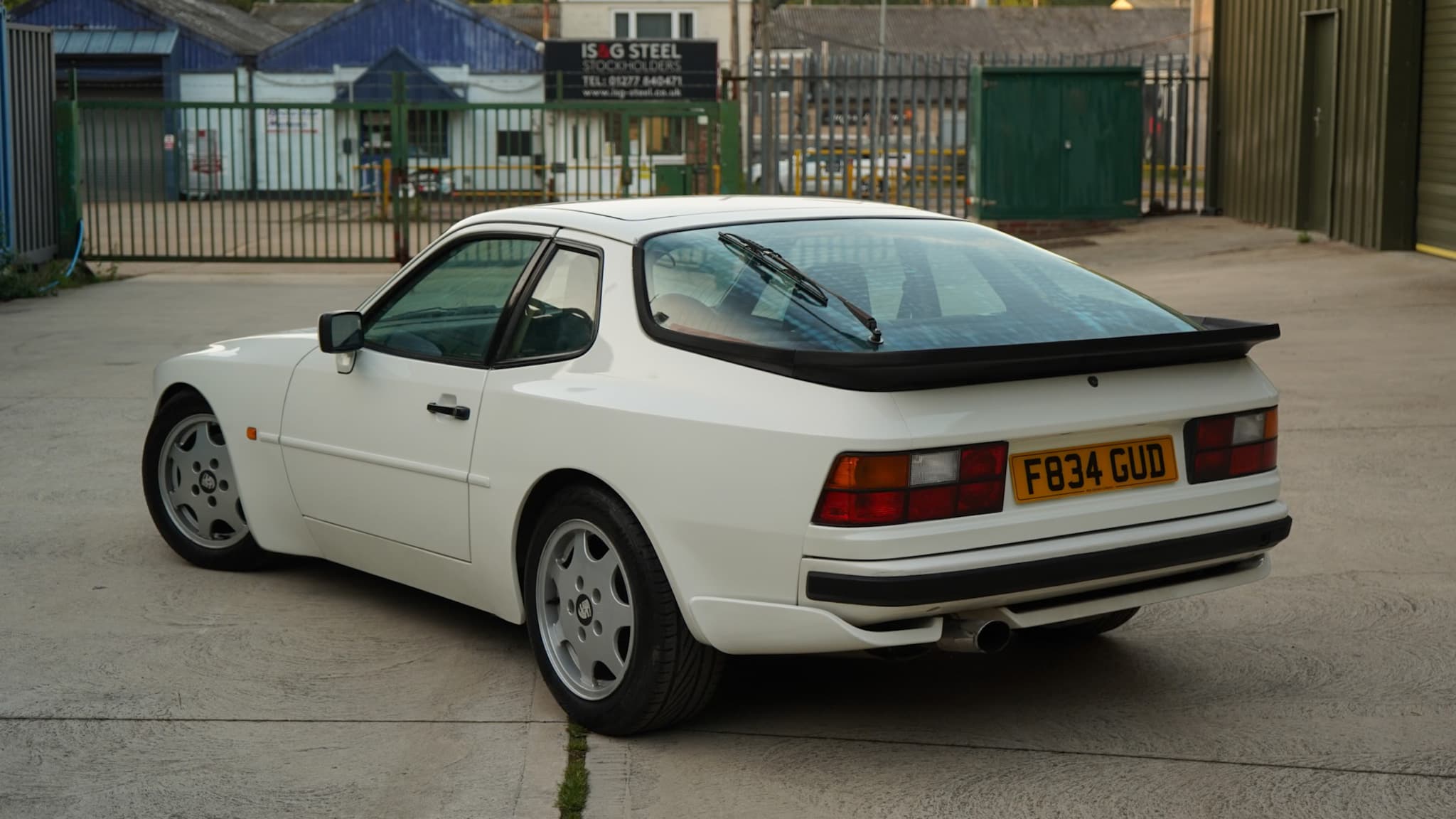
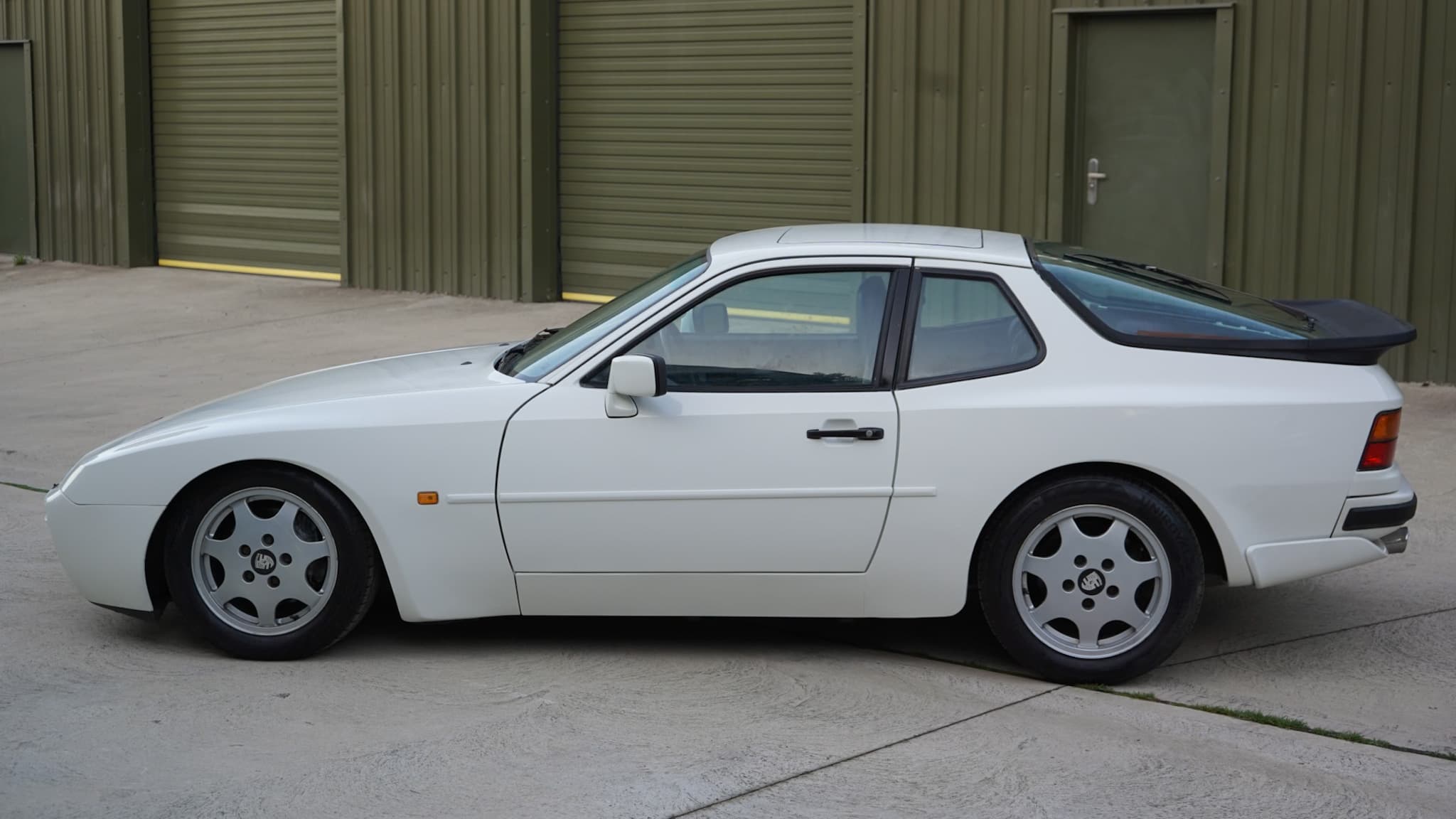
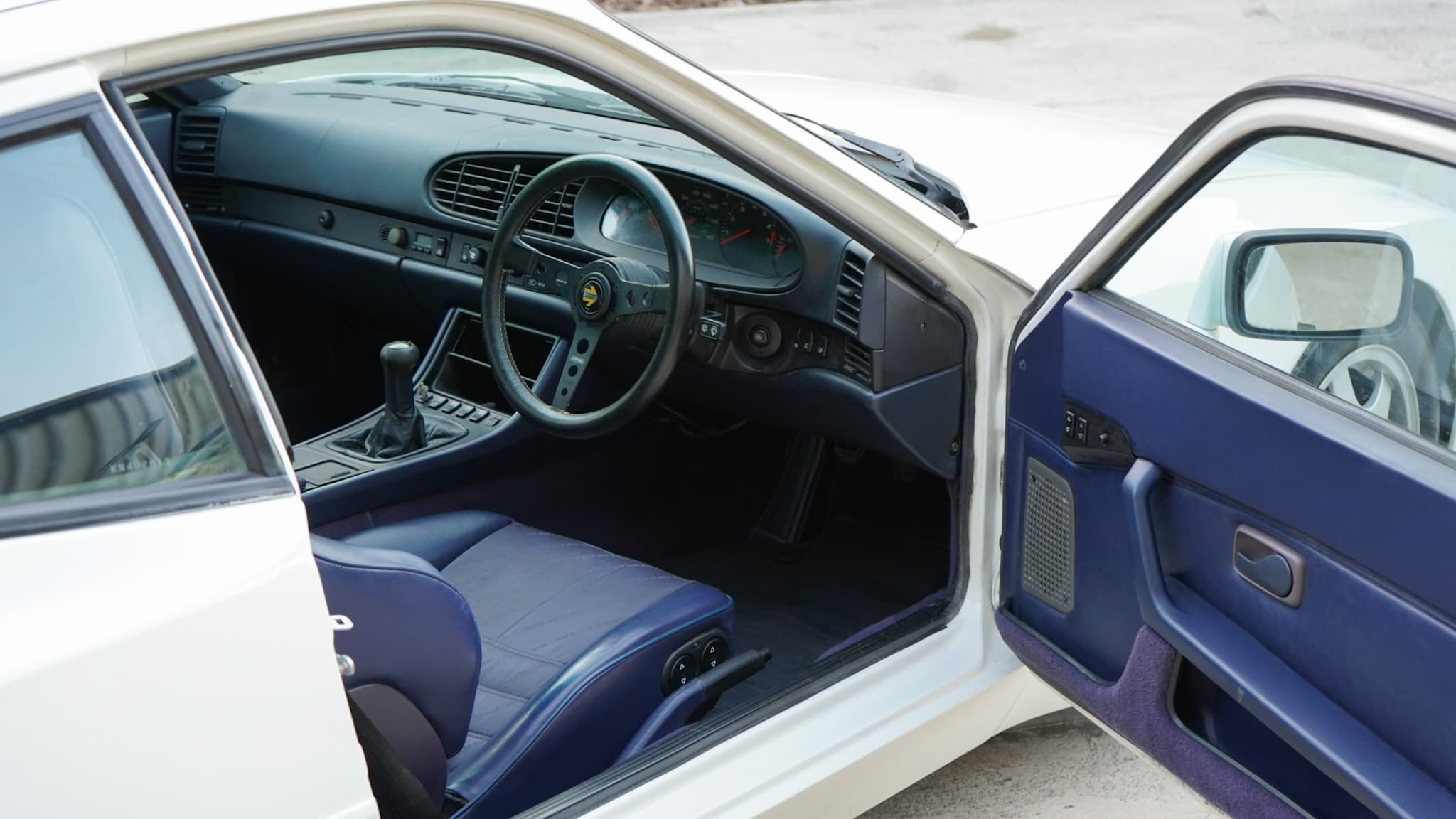
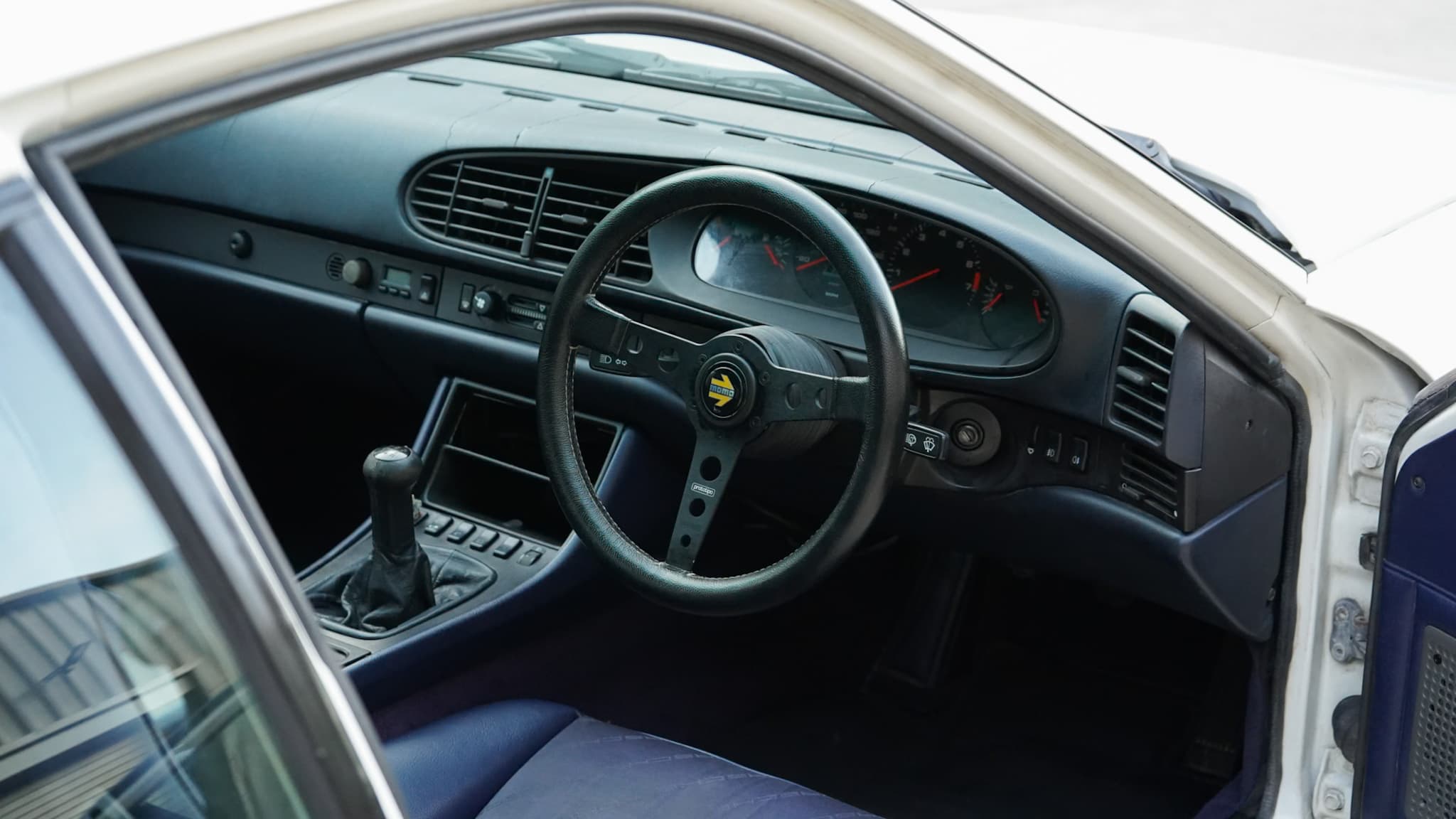
TMJC's own cars give that history a real-world reference point. Documented examples include a 991.2 Targa 4 GTS and a 992 GT3, two modern 911 derivatives with very different briefs. TMJC's Porsche photography also includes transaxle cars such as the 944 S2, broadening the picture beyond the 911.
Colour, mileage, options, ownership and preparation still belong to the individual cars, not the marque as a whole.
For a 996 Turbo X50, use the Porsche 996 Turbo X50 verification guide alongside the generation and variant pages. The guide focuses on provenance and factory-option verification, while the car pages cover the model history and technical detail.
Porsche values and specifications can change sharply across generations and derivatives sharing a familiar badge. Begin by confirming the type code and model year, then check body style, market, transmission and factory option codes. Compare changes within that exact scope.
Around generation transitions, early and late cars may use different engines or equipment; one public name may cover several internal types; and a performance suffix may not carry identical meaning from one era to the next. A build record, option label, handbook or period technical document is stronger evidence than an assumption based on appearance.
Editorial information
Research and editorial from TMJC Garage.
Research and editorialTMJC Garage
Reviewed byMatt Johnston
Last reviewed20 September 2026
Published byThe Matt Johnston Collection
TMJC photography
TMJC Guides
TMJC assistance
Continue to the main TMJC website and speak directly with the collection team.
Sell, consign or source
Continue with TMJC for a discreet conversation, professional presentation and collector-focused support.
Enquire now