Generation
996
A guide to Porsche 911 Type 996 years, the 2002 facelift, engines, variants and buying checks, including where Carrera, Turbo and GT cars differ.
Variant directory
996 variants
Choose an exact 996 derivative for engine, gearbox, performance, dimensions, equipment and buying-context detail.
TMJC Catalog guide
Porsche 911 (996): years, facelift, engines and buying guide
A guide to Porsche 911 Type 996 years, the 2002 facelift, engines, variants and buying checks, including where Carrera, Turbo and GT cars differ.
- Page
- Generation overview
- Reviewed
- 8 Sept 2026
- Specifications
- 0 verified
What is the Porsche 911 (996)?
The Porsche 911 type 996 is the fifth generation of the 911 and the car that moved Porsche's core sports car from air cooling to water cooling. Introduced in 1997, it was a much bigger technical break from the outgoing 993 than the familiar rear-engine silhouette first suggests.
Porsche developed a new platform alongside the 986 Boxster, enlarged the body and wheelbase and introduced a new water-cooled, four-valve flat-six for the Carrera. The result was roomier and more usable than the 993 while still remaining relatively compact by modern 911 standards.
The breadth of Carrera, Turbo and GT derivatives is one reason there is no single “996 specification”: engine architecture, drivetrain, body width, brakes and performance change substantially depending on the exact car.
Porsche 996 production years
Porsche presented the 996 in 1997 and its own heritage material generally describes the fifth generation as 1997–2005. You will also encounter 1998–2005 in factory histories because the first Carrera is commonly treated as model year 1998. The important distinction is introduction date versus model-year or build counting, rather than one source necessarily being wrong.
The replacement 997 Carrera appeared in 2004, but the 996 story did not end in one clean step on one date: specialist derivatives and market/model-year conventions overlap the transition. When checking a particular Turbo, GT3, GT2 or special edition, use that derivative's own build information rather than assuming the whole generation changed over at once.
996 body styles and model range
Porsche offered the 996 as a Coupé and Cabriolet, with the Targa returning for model year 2002 and becoming available in December 2001. Within those bodies the range expanded far beyond the original rear-wheel-drive Carrera.
Key branches include:
- Carrera / Carrera 4 — the core naturally aspirated cars, with rear- or all-wheel drive depending on derivative.
- Carrera 4S — the naturally aspirated 3.6-litre car using the wider Turbo-style body and distinctive rear treatment.
- Turbo — wide-bodied, twin-turbocharged and all-wheel drive, with a materially different engine family from the normal Carrera.
- GT3 / GT3 RS — road-and-track cars developed around Porsche's motorsport-focused naturally aspirated engine architecture.
- GT2 — the high-output, rear-wheel-drive turbocharged flagship of the generation.
That variety matters when comparing prices or reliability claims. Advice that is sensible for a Carrera 2 may be irrelevant to a Turbo, and a Turbo specification should not be copied across to a Carrera 4S simply because the cars share some body or brake hardware.
996.1 vs 996.2: what changed in the facelift?
The major update arrived for model year 2002. Porsche's heritage material notes that the regular 996 adopted the Turbo-style headlamp treatment, with the lower edge reshaped to separate it more clearly from the Boxster. Carrera engine capacity also moved from 3.4 litres to 3.6 litres, while the range gained the glass-roof Targa and the wide-bodied Carrera 4S.
Enthusiasts commonly use 996.1 for the earlier cars and 996.2 for the facelift era. Those labels are useful shorthand, but the exact changeover for an individual component or derivative should still be checked against model year and VIN/build data.
Engines: Carrera cars are not the same as Turbo and GT cars
The original Carrera used a 3.4-litre water-cooled flat-six producing 300 PS. Porsche later enlarged the naturally aspirated Carrera engine to 3.6 litres and 320 PS.
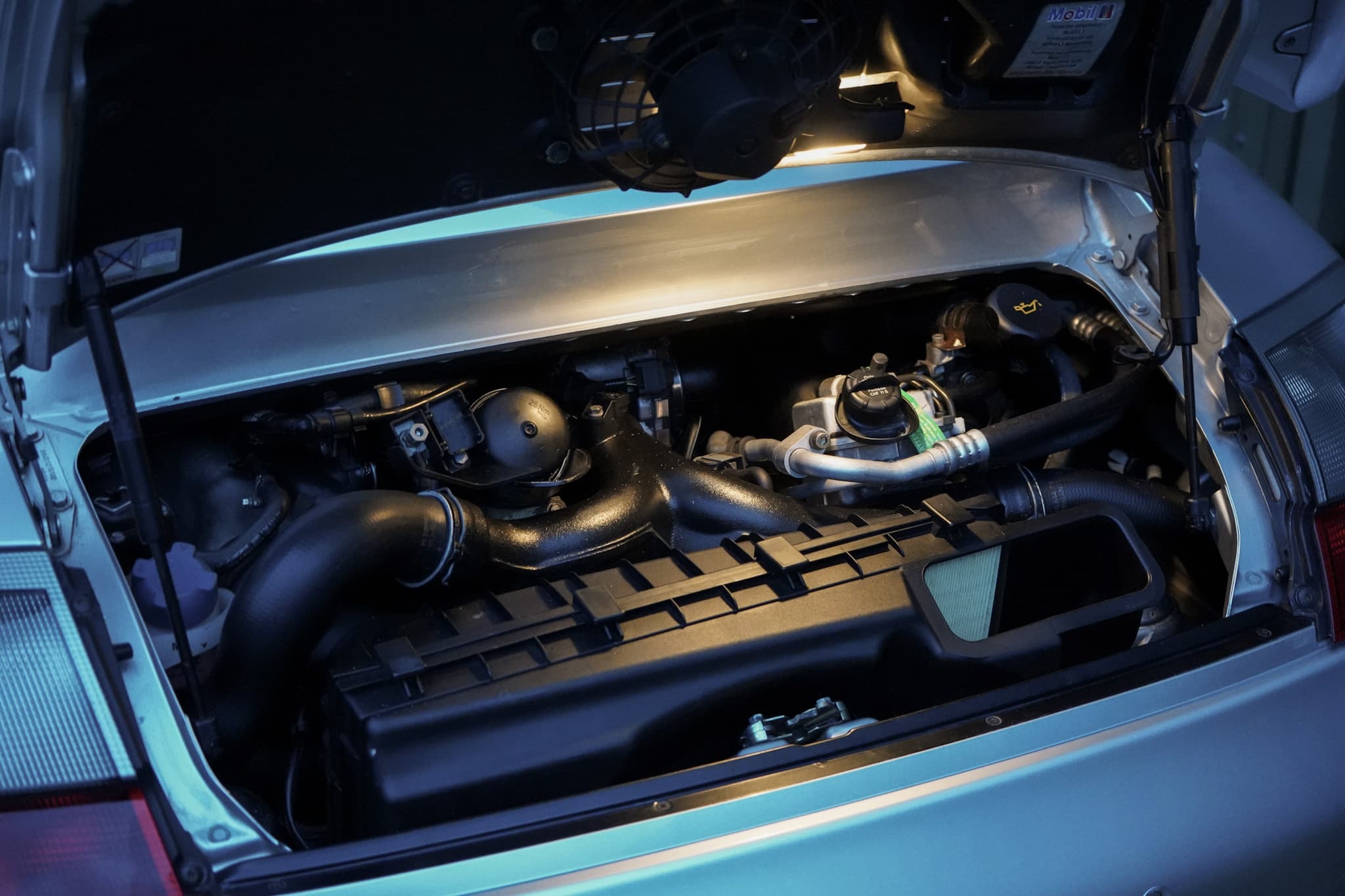
This is where broad internet advice about the 996 can become misleading. The normal Carrera family uses the M96 engine architecture associated with much of the discussion around intermediate-shaft bearing, rear-main-seal and cylinder-bore concerns. The Turbo, GT2 and GT3 use a different, motorsport-derived engine family, so those Carrera-specific concerns should not simply be attached to every 996.
The Turbo arrived with 420 PS in standard form, while Porsche's factory X50 power upgrade took the Turbo to 450 PS. The GT3 and GT2 followed their own development paths and belong on their exact derivative pages when comparing outputs, gearing, weight or chassis specification.
Why the 996 matters in 911 history
The 996 did more than introduce water cooling. It marked a manufacturing and product reset for Porsche: parts sharing with the Boxster, a larger cabin, a newly developed body and more modern safety, emissions and comfort standards.
It also created several enduring 911 ideas. The first 911 GT3 appeared in this generation, the GT2 introduced Porsche Ceramic Composite Brake equipment at the extreme end of the range, and the Turbo demonstrated that the new water-cooled era could still produce a serious flagship 911.
For today's buyer, that leaves an unusually broad choice. An early rear-wheel-drive Carrera, a glass-roof Targa, a wide-bodied C4S, an all-wheel-drive Turbo and a GT3 may all carry the 996 code while delivering very different ownership experiences.
Common Porsche 996 problems and inspection priorities
The most important buying rule is to identify which 996 you are inspecting before applying a checklist.
On naturally aspirated Carrera cars, specialist guides repeatedly focus on the M96 engine. A proper pre-purchase inspection should establish engine condition and history rather than relying on reassurance that a particular issue is “common” or “rare”. Depending on the car, buyers commonly investigate IMS history, rear-main-seal leaks, cylinder condition and bore scoring, oil/coolant contamination and evidence of previous engine work. A borescope is especially useful where the specialist inspecting the car considers it appropriate.
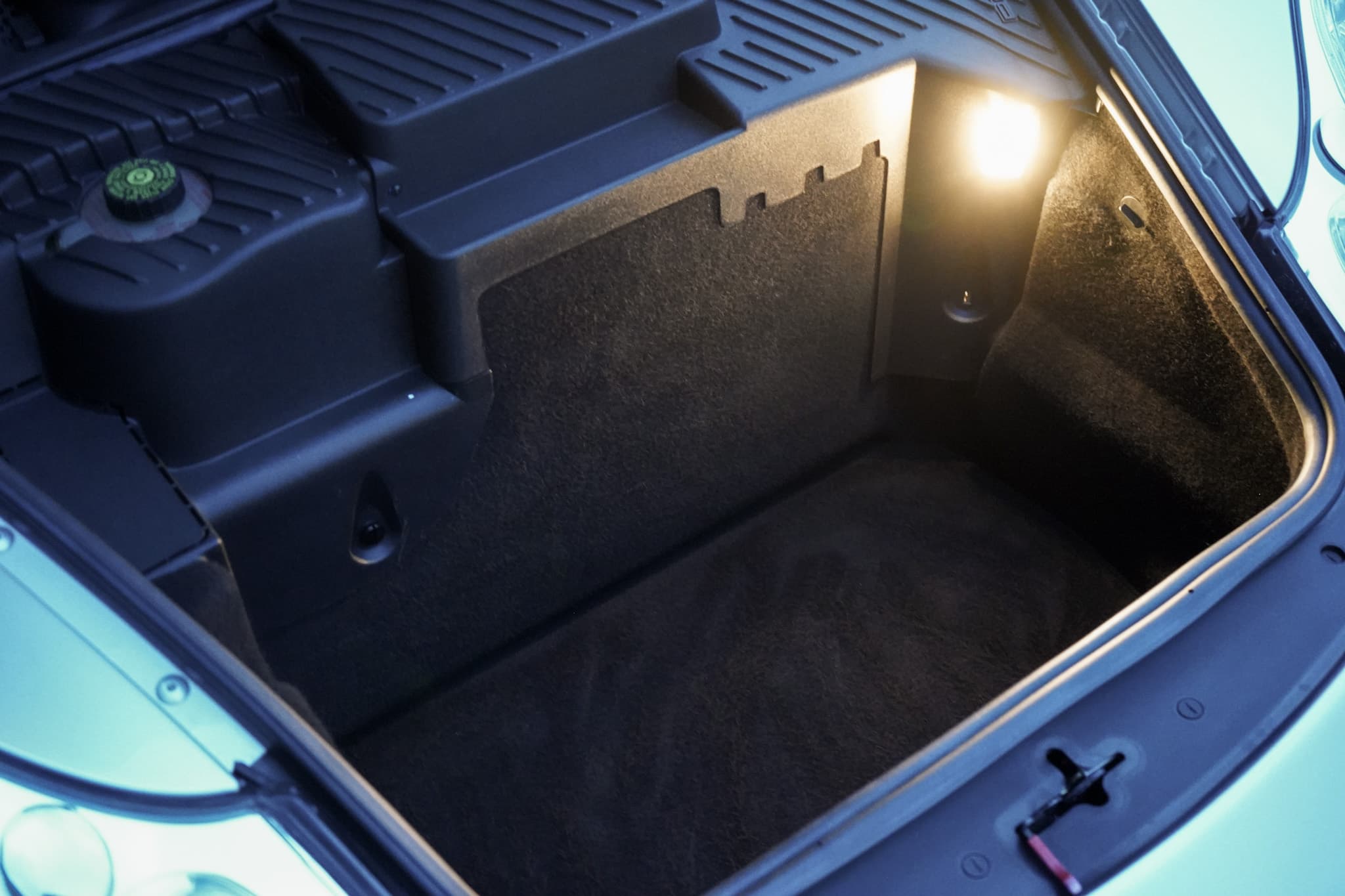
Across the broader generation, inspect the front radiators and air-conditioning condensers, which sit in debris-prone front apertures; cooling-system condition; suspension arms and dampers; brakes and brake pipes; tyres and geometry; exhaust condition; air conditioning; window and roof mechanisms; damp in the luggage/interior areas; and the quality of previous body repairs.
A car that feels loose, knocks over broken surfaces or wears tyres unevenly may be asking for a suspension and geometry refresh rather than revealing an inherent flaw in the model. Likewise, visible corrosion is not normally the defining 996 problem, so rust or poor panel alignment deserves investigation for age, trapped debris or previous accident repair.
What to verify before buying a 996
For a serious purchase, start with evidence rather than mileage alone:
- confirm VIN, model year, derivative, transmission and factory option/build information;
- read the service history chronologically and identify long gaps or repeated unresolved faults;
- commission a Porsche specialist pre-purchase inspection appropriate to the exact engine family;
- check cooling, suspension, brake and tyre condition as carefully as the headline engine concerns;
- inspect paint, panel gaps, underbody and structural areas for previous repair;
- verify rare or valuable factory options from documentary evidence rather than badges or later modifications.
The last point becomes particularly important on cars such as a Turbo X50, GT3, GT2 or special edition, where factory specification can materially affect both desirability and value.
TMJC and the Porsche 996 Turbo X50
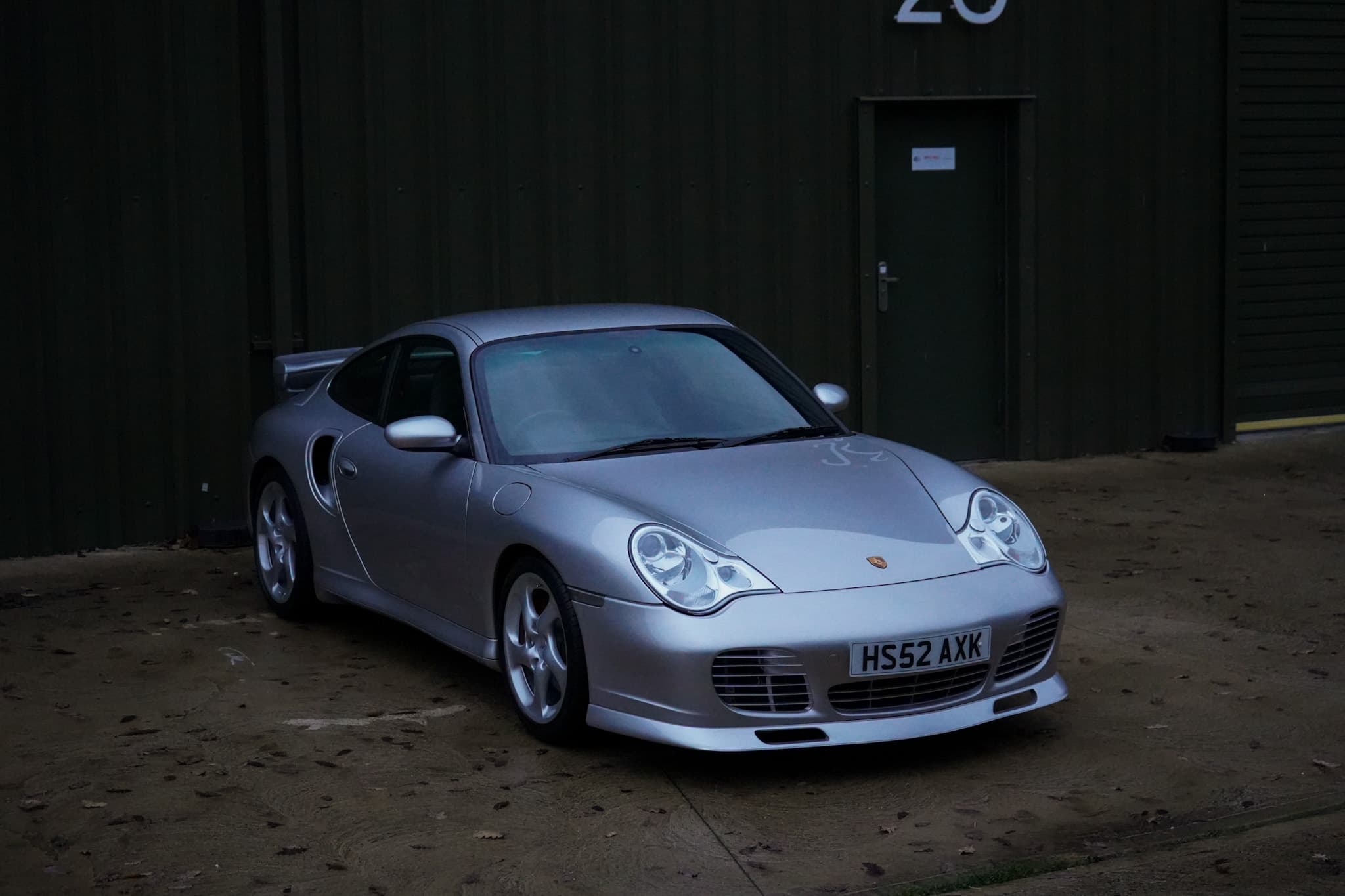
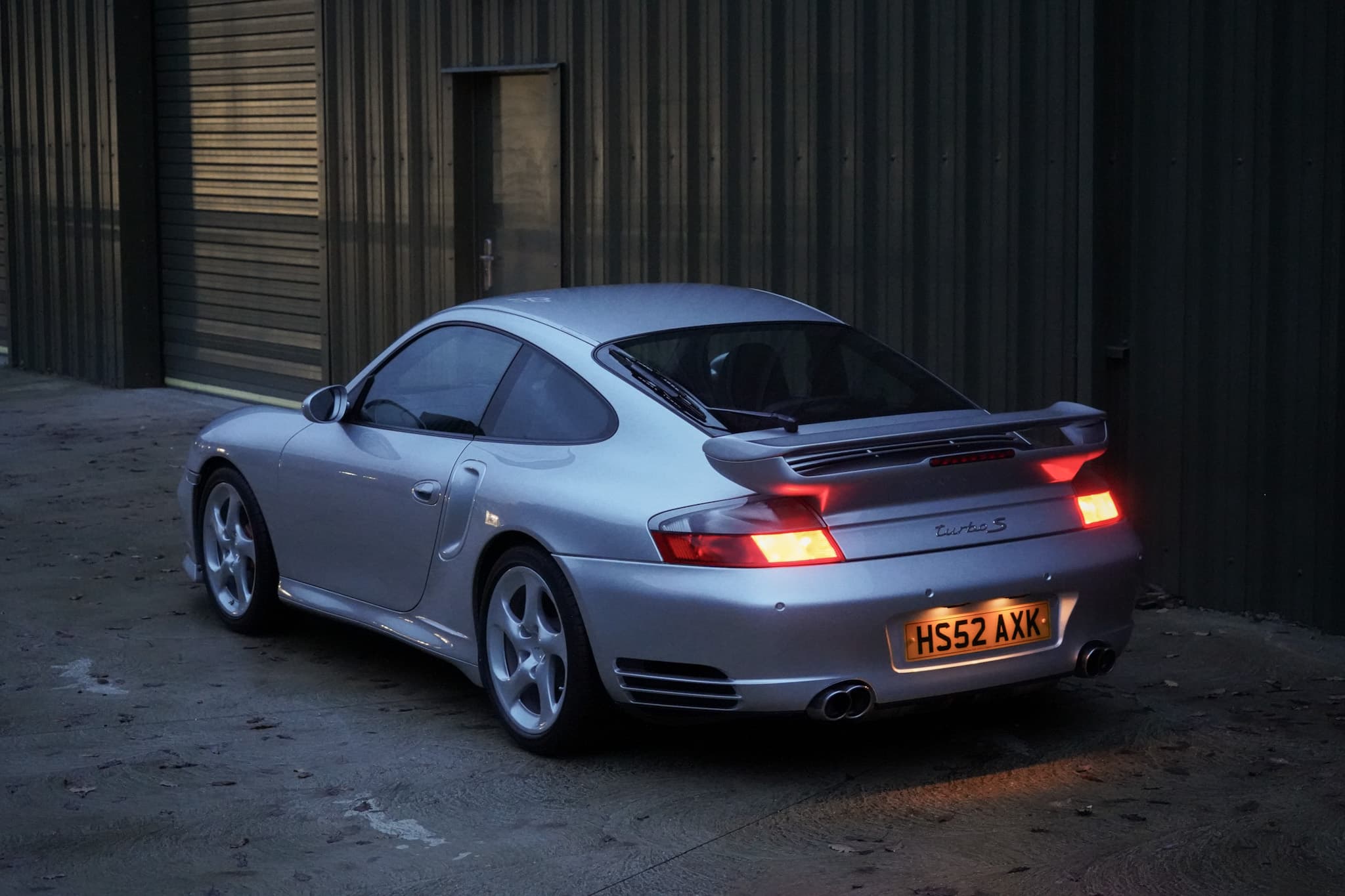
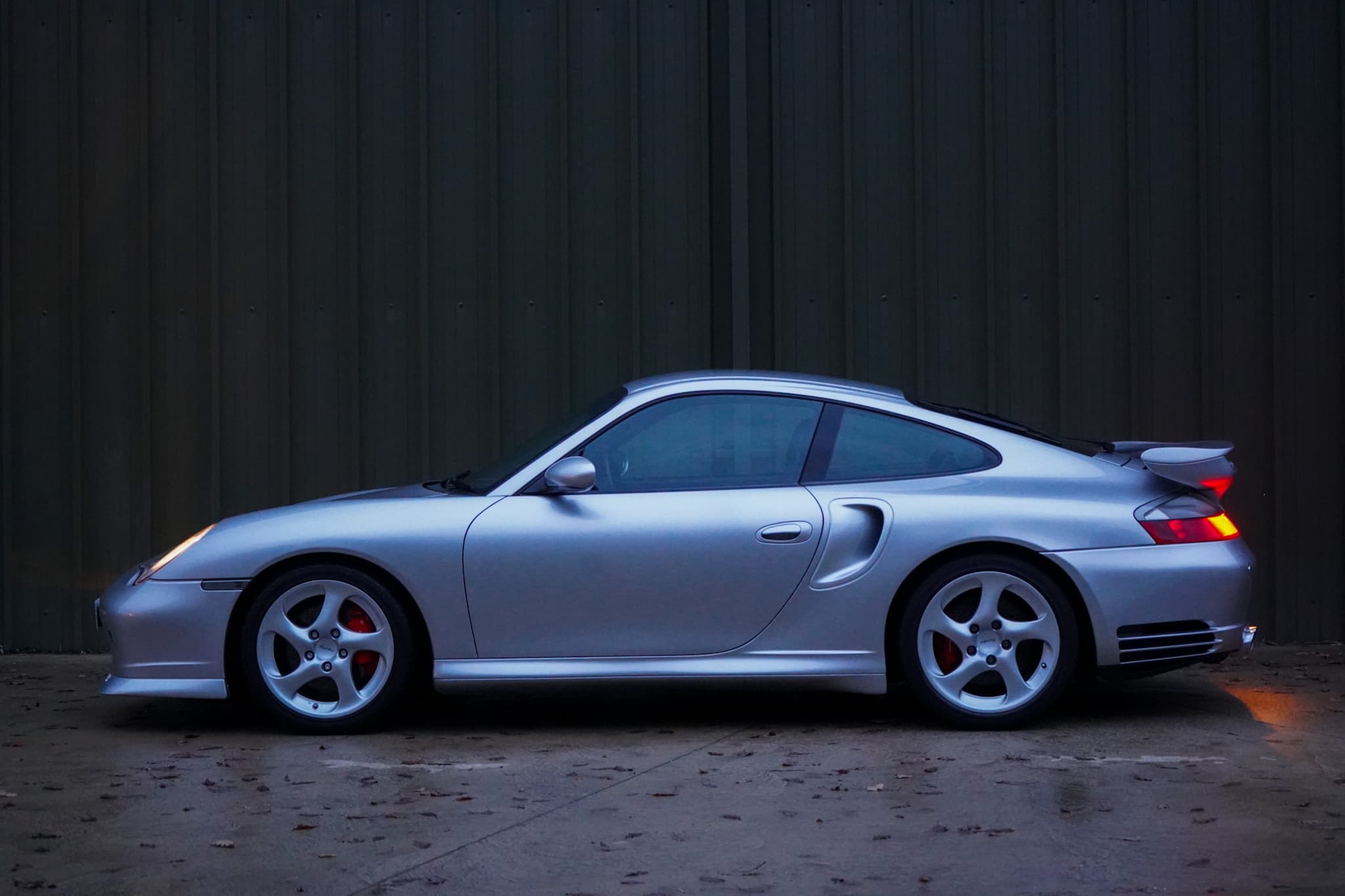
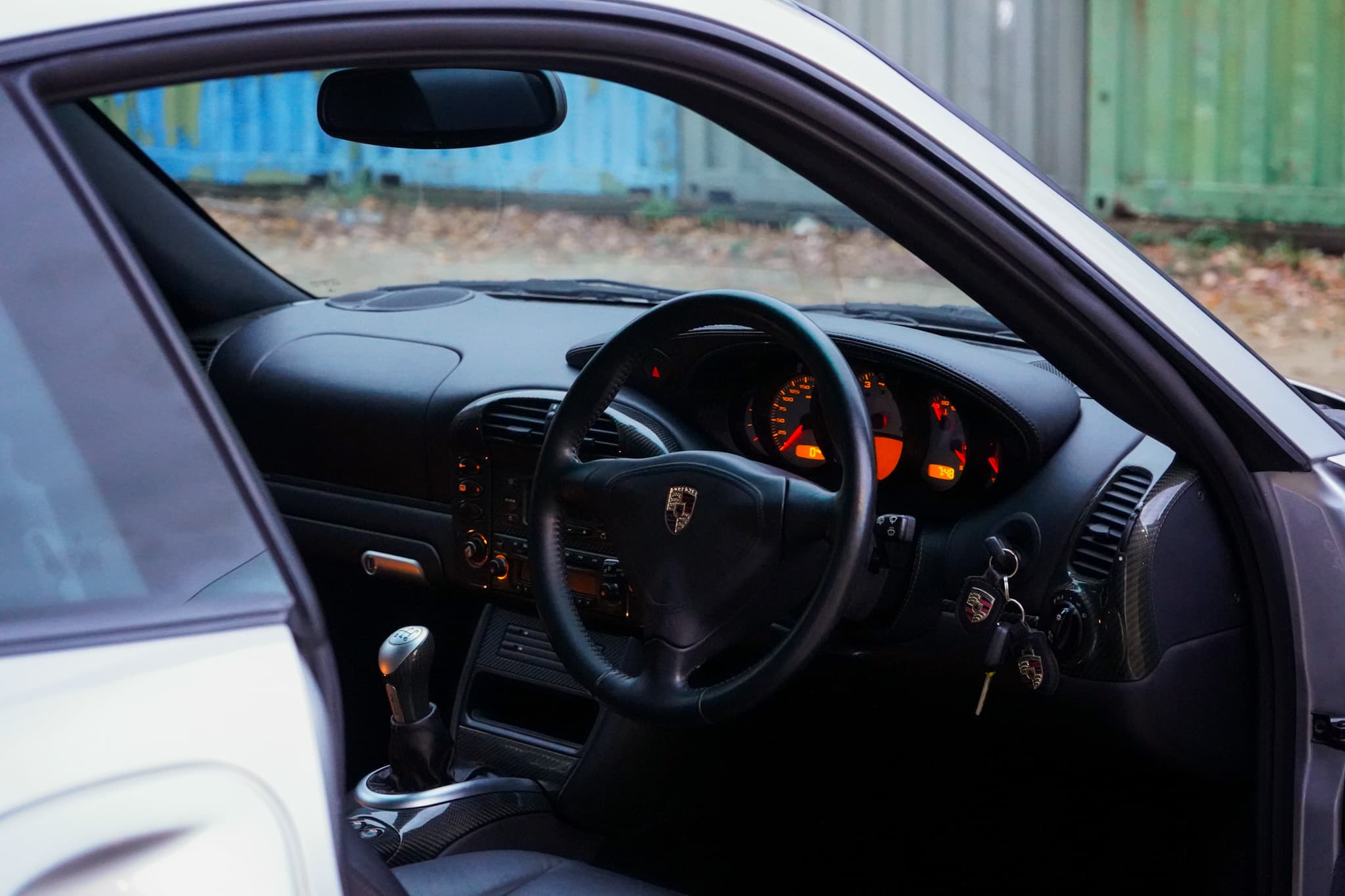
The Matt Johnston Collection has handled more than one 996 Turbo with the factory X50 Performance Package, including manual Coupé and Cabriolet examples. Those cars are useful illustrations of why provenance matters on the 996: original order information, Certificates of Production, service invoices and specialist inspection can establish whether a car is genuinely the specification it claims to be.
TMJC's individual cars also show why catalogue facts and individual-car histories should stay separate. Colour, mileage, options, maintenance invoices and preparation describe that particular car; they are not universal 996 specifications.
For the wider lineage, see the Porsche 911 generations guide. For the deeper technical treatment of the derivative represented in this catalogue, continue to the Porsche 911 996 Turbo X50 page.
Sources and further reading
- The Matt Johnston Collection — Porsche 911 996 Turbo X50 Pack
- The Matt Johnston Collection — Porsche 996 Turbo X50 Cabriolet
- Porsche Newsroom — The 996: First 911 with water-cooled flat engine
- Porsche Newsroom — 60 Years of Porsche 911
- Goodwood Classic Solutions — Porsche 911 (996) Buyers Guide
- PistonHeads — Porsche 911 (996): PH Buying Guide
Model lineage
Where this car sits
TMJC media
Explore the car in detail
Sell, consign or editorial
Thinking of selling or consigning a special car?
Continue with TMJC for a discreet conversation, professional presentation and collector-focused support.
Enquire now