Engine
- Engine capacity
- 7.2 L
- Engine configuration
- V8
Variant
The standard Jensen Interceptor Mk III 7.2 used Chrysler 440 V8 power. See specifications, SP differences, factory-identity checks and buying guidance.
At a glance
TMJC guide
The standard Jensen Interceptor Mk III 7.2 used Chrysler 440 V8 power. See specifications, SP differences, factory-identity checks and buying guidance.
The Jensen Interceptor Mk III 7.2 V8 is the later standard 440-cubic-inch version of Jensen's grand tourer: a front-engined, rear-wheel-drive British GT using Chrysler V8 power and an automatic transmission. The important qualifier is standard. It should not be confused with the Jensen SP, which used the same basic 440-cubic-inch displacement with a much more aggressive Six Pack induction system.
For collectors, that distinction matters because period output figures, carburettor specification and even the timing of the 383-to-440 change can vary by market and source. A good 7.2-litre Interceptor should therefore be identified from the actual car and its chassis history rather than from a registration year alone.
The table below combines period Jensen sales literature with deliberately qualified test and specialist data. Jensen's 1974 US Interceptor brochure directly documents the 440 V8, 7,212 cc capacity, four-barrel induction and three-speed TorqueFlite; figures that vary by market or test conditions remain labelled rather than treated as universal.
| Specification | Standard Mk III 7.2 V8 | Applicability |
|---|---|---|
| Engine | Chrysler 440 cu in OHV V8 | Standard 7.2-litre Mk III identity |
| Displacement | 7,212 cc / 440 cu in | Jensen 1974 US brochure; also reproduced in October 1973 US period-test data |
| Induction | Single four-barrel carburettor | Jensen 1974 US brochure; exact carburettor make/specification can vary by build and market |
| Transmission | Chrysler TorqueFlite 3-speed automatic | Standard later Interceptor configuration; rare manuals belong to earlier cars |
| Drive | Rear-wheel drive | Interceptor architecture |
| Rear differential | Power-Lok limited-slip differential | Jensen 1974 US brochure |
| Seating | Four seats | Jensen 1974 US brochure |
| Compression ratio | 8.2:1 | October 1973 US period-test car only |
| Period US output | 220 bhp at 3600 rpm | October 1973 US period-test car only; do not treat as a universal UK figure |
| Period US torque | 350 lb-ft at 2400 rpm | October 1973 US period-test car only |
Those last three figures are intentionally labelled. Earlier and differently specified 440 references quote materially different power figures, and emissions-era measurement and market differences make a single universal horsepower number misleading.
The easiest mistake is to treat every 440-powered Mk III as an SP. They are not the same car.
The standard 7.2 V8 used the 440 with a single four-barrel carburettor. The SP was the more highly tuned derivative, famous for its three twin-choke carburettors — the Six Pack — and substantially higher quoted output. Jensen Owners' Club material also records the SP as a distinct, limited-production model rather than simply an engine option on every 7.2-litre Interceptor.
That makes an original SP identification significant in its own right. Conversely, a standard Mk III that has acquired aftermarket induction parts should not be described as an SP without the correct model identity and provenance. If that distinction matters to a purchase, the Jensen Interceptor SP vs 7.2 Mk III identification guide goes deeper into chassis schedules, factory records and what visible Six Pack hardware can — and cannot — prove.
There is no useful one-date answer for every market.
The Mk III was introduced while Jensen was still using Chrysler's 383-cubic-inch engine. Sources do not give one clean worldwide changeover. Jensen Car Club Australia describes the standard 383-to-440 transition across the Mk III range during 1972, while the Jensen Owners' Club presents the single-four-barrel standard 440 as a 1973 introduction. The difference reflects how simplified model chronologies can blur market and build-date changes.
For that reason, year alone is not enough to identify a 7.2-litre car. A 1972 Mk III can legitimately sit on either side of the engine transition depending on build and market. Chassis information, engine identity and the car's documentary history are more useful than a generic model-year table.
The standard 440 changed the character of the Interceptor without changing its basic mission. This remains a large, leather-trimmed grand tourer intended to cover distance rather than behave like a lightweight sports car.
The Chrysler drivetrain is one reason the Interceptor can be less intimidating mechanically than its appearance suggests. The standard later car used Chrysler's three-speed TorqueFlite automatic; the rare four-speed manuals belong to earlier Interceptors rather than the normal 7.2-litre specification. The big-block V8 and TorqueFlite are familiar American components, while the car around them is distinctly Jensen: hand-built, luxurious and far more complex in its body, cooling, electrical and trim details than the engine's basic architecture might imply.
A healthy car should pull cleanly and feel stable and controlled. A lazy or reluctant gearbox, excessive driveline noise, overheating or poor oil pressure deserve investigation rather than being dismissed as normal behaviour for an old V8 GT.
Cooling and heat management are critical. Jensen's 1974 US brochure specifies a high-pressure cooling system with twin thermostatically controlled electric fans, while later specialist guides repeatedly highlight radiator condition, fan operation and very high under-bonnet temperatures. Heat can accelerate deterioration of wiring, hoses and surrounding components. Evidence of boiling, coolant staining or improvised fan wiring deserves attention.
Inspect fuel hoses and wiring carefully. Age and heat are a poor combination around a carburetted V8. Brittle wiring, tired fuel lines and historical repairs should be assessed before regular use.
Check the TorqueFlite properly. Fluid condition, engagement when hot and clean shifts matter. The transmission has a strong reputation, but low fluid or deferred maintenance can still turn a simple mechanical package into a repair bill.
Rust is often more important than the engine. The Interceptor's steel body can consume restoration budgets quickly. Examine the sills and structural areas, floor, wheelarches, door bottoms, screen surrounds, tailgate area and previous repair work. A cosmetically attractive car is not automatically a structurally good one.
Steering, brakes and suspension need to suit the car's weight and performance. Power-steering leaks, brake-servo or caliper issues, sagging suspension and worn bushes all appear in specialist buying guidance.
On a transition-year car, the useful question is not simply “does it have a 440 now?” It is “what did Jensen build this chassis as?”
Jensen's October 1971 factory brochure shows why the distinction matters. At the introduction of the Mk III, the ordinary Interceptor III was still specified with the 6,276 cc Chrysler V8, while the newly introduced SP carried the 7,212 cc engine and Six Pack induction. The standard Interceptor subsequently moved to the 440, but surviving histories do not agree on one clean worldwide changeover date.
A 1972 registration, a currently fitted 440 or a seller's “7.2” description is therefore useful context, not proof of original factory specification. For an early standard-440 car, work from the chassis record outward.
| Evidence | What it can establish | What it does not establish on its own |
|---|---|---|
| Jensen factory/build record tied to the chassis | Build date, original specification and recorded equipment where the surviving record contains it | The car's present condition or whether every component fitted today is original |
| Engine and gearbox numbers compared with the build evidence | Whether the major numbered units correspond with the documented car, where those numbers are recorded | Originality of cylinder heads, carburettor, radiator, ignition, exhaust or other replaceable components |
| Original market and build date | Whether the claimed specification makes sense within the 383-to-440 transition | A universal cutoff date for every market |
| Current 440 V8 and single-four-barrel layout | Mechanical consistency with a standard later 7.2 Mk III | That Jensen originally built this chassis as a standard 7.2 |
| Restoration invoices and photographs | When major components were replaced, rebuilt or upgraded | Original factory specification without chassis-linked evidence |
| Badges, bonnet treatment and visible induction hardware | Useful corroborating clues | Factory derivative identity |
A Jensen Motors Statement of Origin or copies of factory build records, where available, are especially useful because they tie historical information to one chassis. A documented Interceptor II sold by RM Sotheby's in 2025, for example, carried both a Statement of Origin and copies of its factory build records alongside recorded chassis and engine numbers. That car is not evidence for the 7.2 specification; it is a useful example of the documentary method.
The same caution applies to an SP claim. The Jensen Museum's engine-bay research shows genuine SP-specific details around the Six Pack installation, but decades of maintenance can alter them. The Museum also documents period cases in which troublesome Six Pack induction was removed from genuine SPs. Visible carburettors, bonnet louvres or badges should therefore support a chassis/build record rather than replace it.
“Matching numbers” is most useful when the seller says which numbers match which factory record. An engine or gearbox can be the numbered unit associated with the car while wearing many service-replacement or upgraded parts.
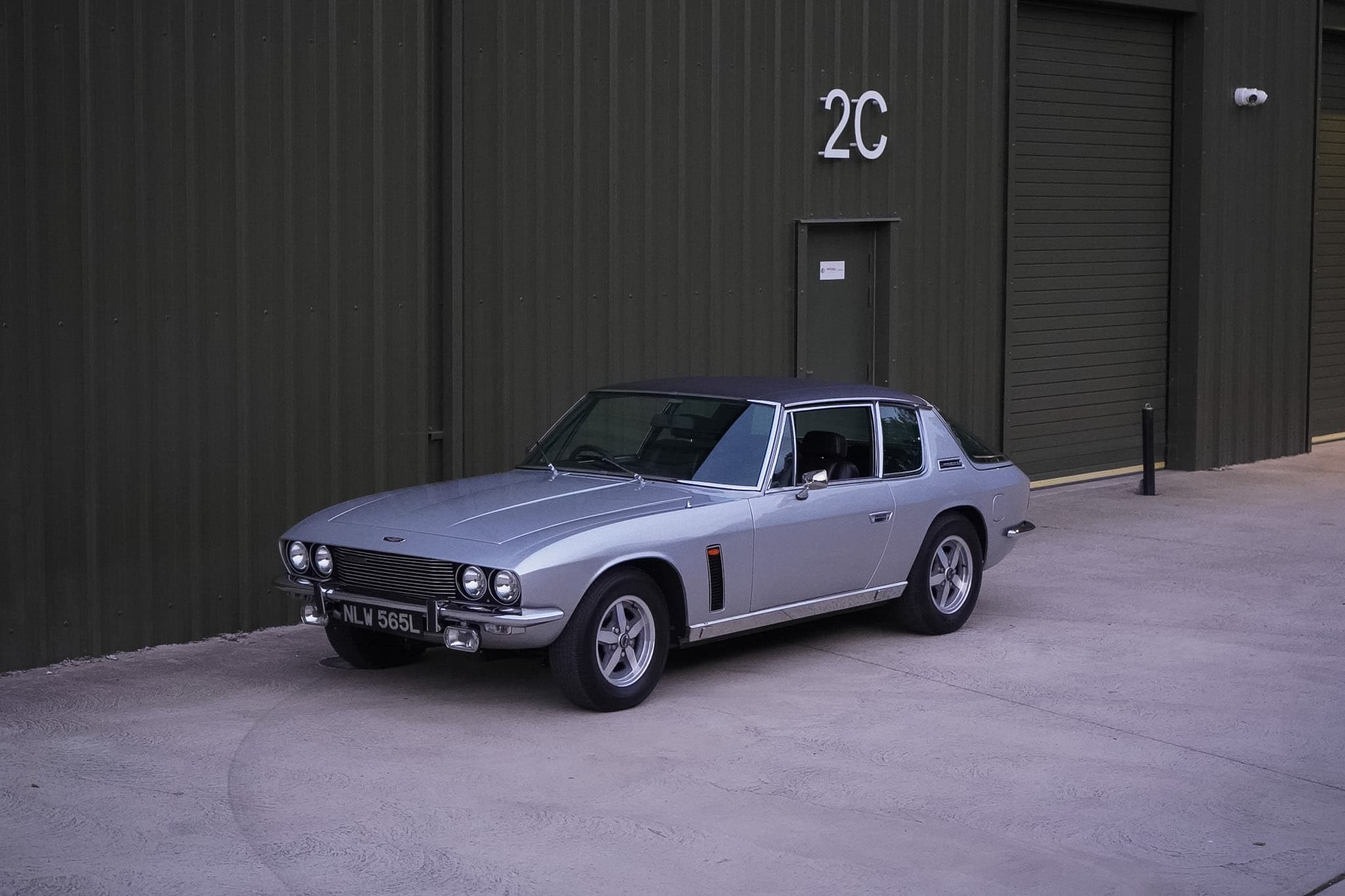
TMJC's 1972 Mk III is a good illustration. The current listing describes its engine and gearbox as matching-number units backed by Jensen provenance confirmation, while the same history records later mechanical work including replacement Edelbrock aluminium cylinder heads, an upgraded aluminium radiator with twin electric fans and exhaust work. Those statements are not contradictory. They describe different layers of originality: the identity of the major numbered units, the originality of their attached components, and the current mechanical condition of the car.
That distinction is useful when comparing restored Interceptors. A sympathetic cooling upgrade may make a car easier to use without changing what Jensen originally built. A replacement engine is a different provenance question. Neither should be hidden behind a single “original” or “matching numbers” label.
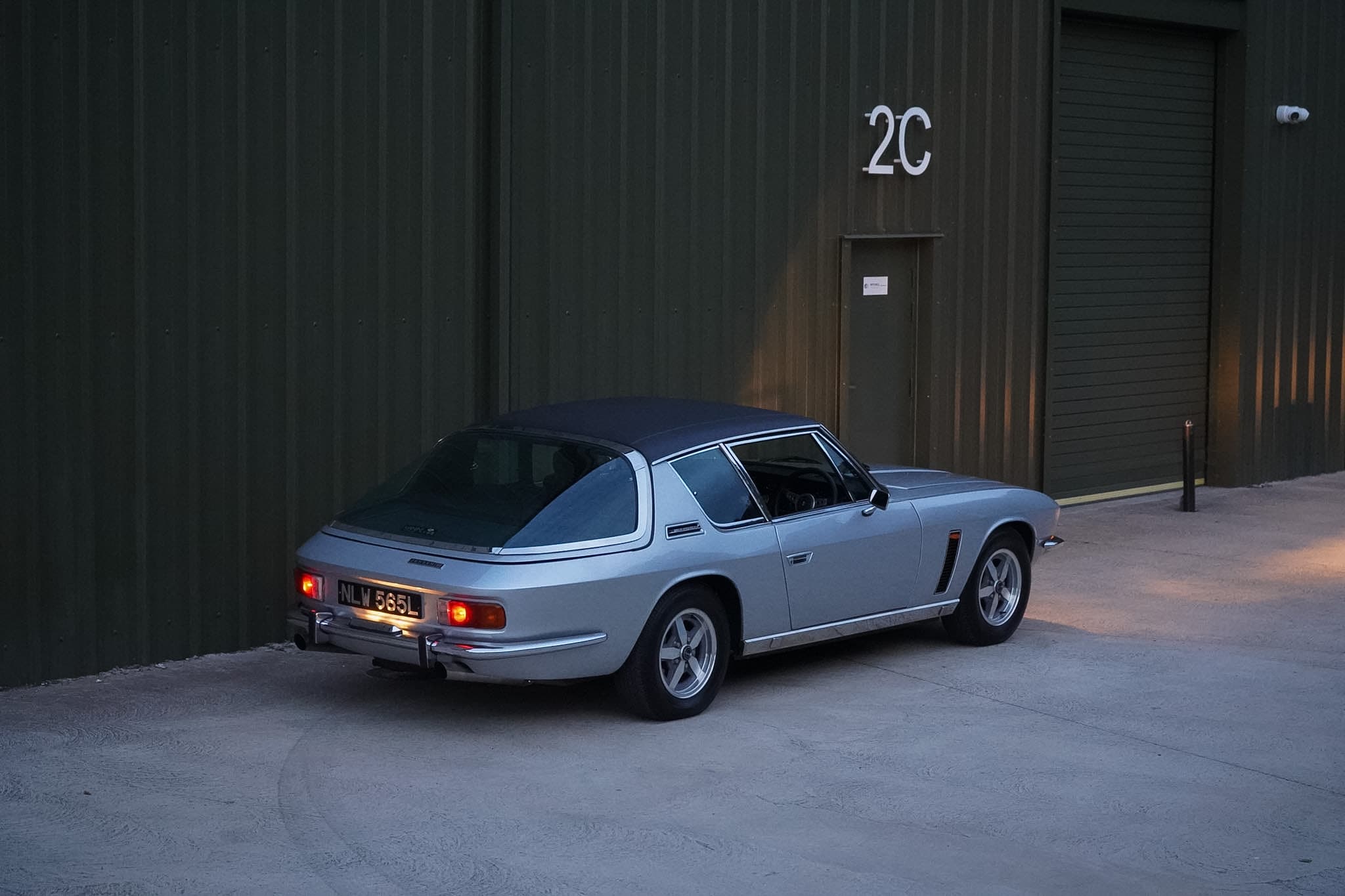
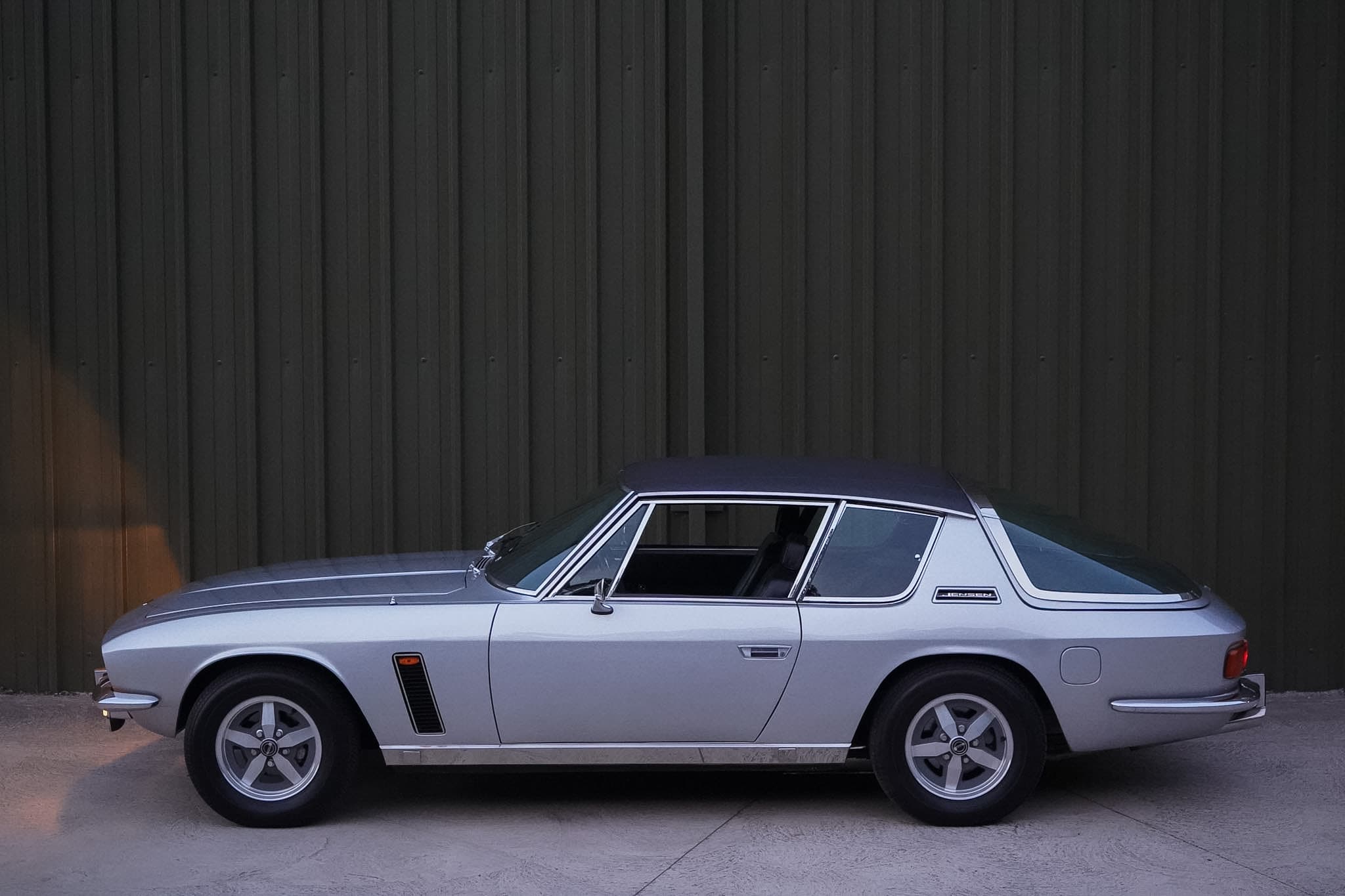
The Matt Johnston Collection's current 1972 Mk III is useful precisely because it sits in the difficult changeover period. TMJC presents it as a 7.2-litre V8 and its current history includes chassis-linked provenance, matching-number engine and gearbox claims, period Jensen paperwork and a substantial restoration/recommissioning record.
Those details belong to that individual car. They do not establish a universal 1972 specification. What they demonstrate is the evidence standard worth seeking: establish the chassis and factory record first, reconcile the major numbered units second, then use restoration invoices to understand what has changed since.
For restoration and inspection context, see the Jensen Interceptor Mk III restoration and provenance guide. For a broader document-checking framework, use the collector-car provenance checklist.
The 7.2 V8 belongs within the Jensen Interceptor Mk III, the final major evolution of the original 1966 fastback before Jensen's mid-1970s collapse. For the wider model history, see the Jensen Interceptor. The same period also produced the SP and later Convertible, but those are separate derivatives with their own specifications and collector questions.
For a buyer, the standard 7.2's appeal is straightforward: huge-capacity Chrysler V8 torque, the Interceptor's distinctive Touring-derived shape and a drivetrain that is mechanically understandable, wrapped in a car whose body, cooling, electrics and provenance reward careful inspection.
Editorial information
Research and editorial from TMJC Garage.
Research and editorialTMJC Garage
Reviewed byMatt Johnston
Last reviewed15 September 2026
Published byThe Matt Johnston Collection
Specifications
Model lineage
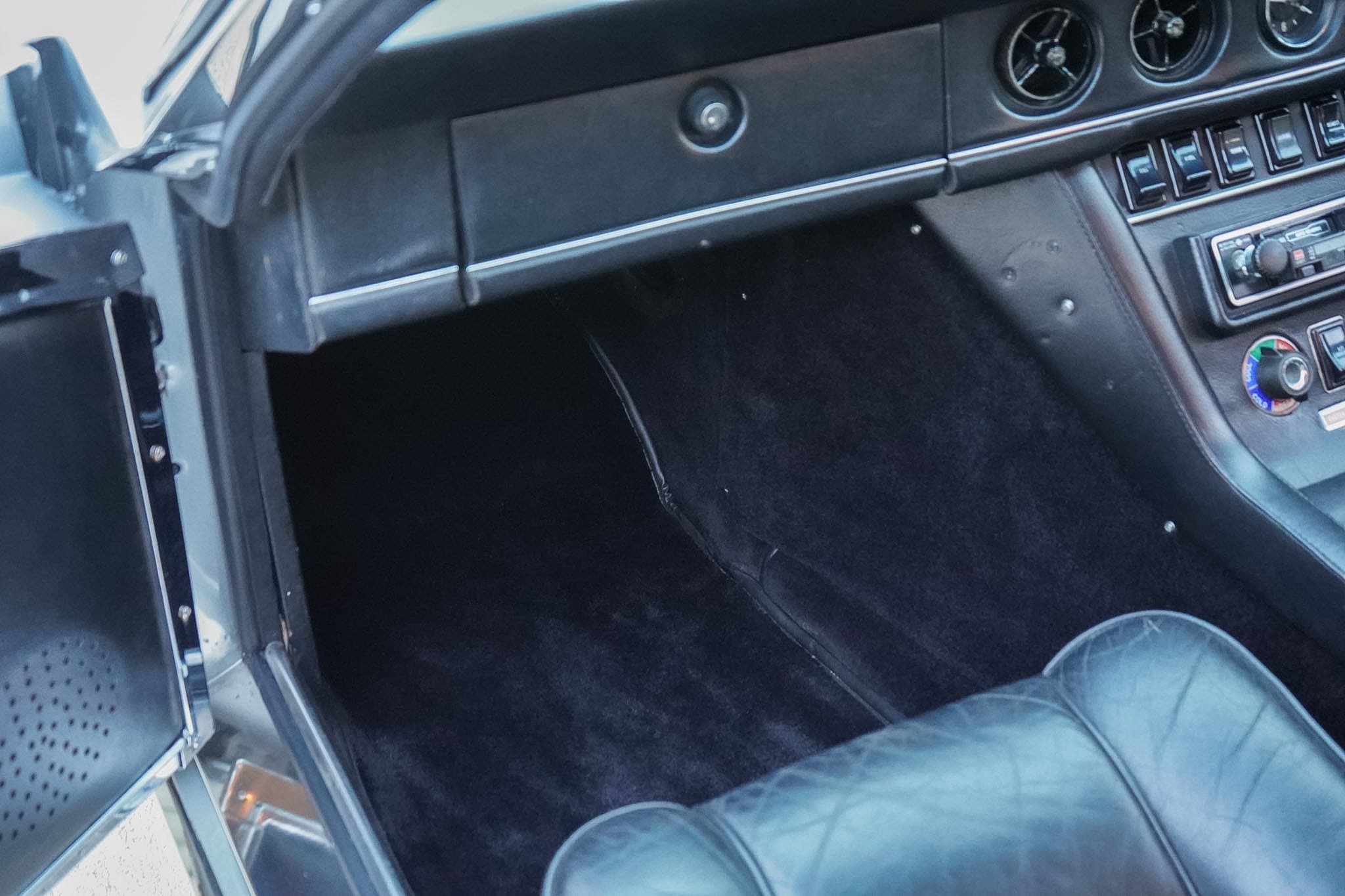
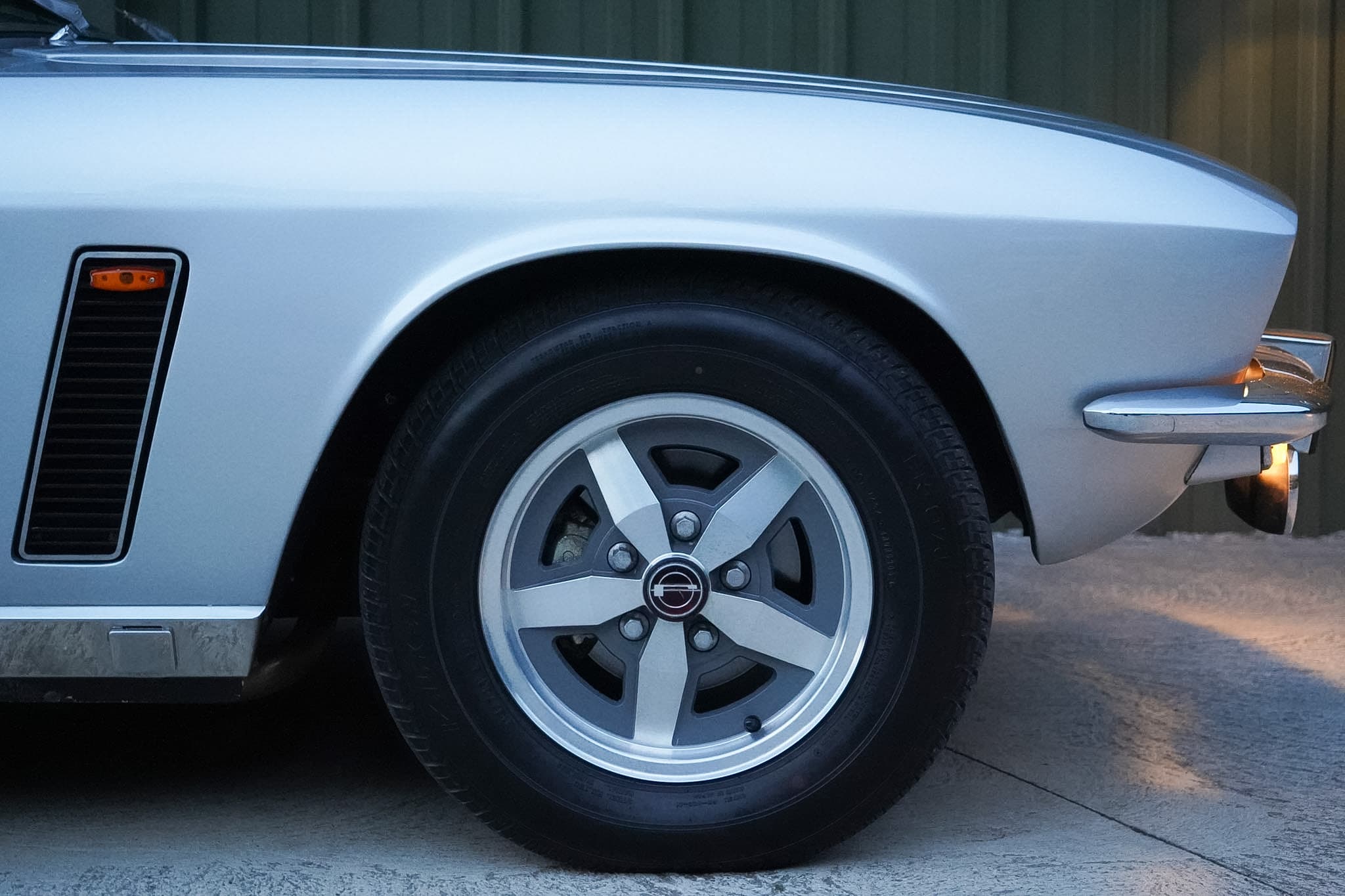
TMJC photography
TMJC Guides
TMJC assistance
Continue to the main TMJC website and speak directly with the collection team.
Sell, consign or source
Continue with TMJC for a discreet conversation, professional presentation and collector-focused support.
Enquire now