Published guide
Jensen Interceptor Mk III: how to assess a restored example
A practical framework for separating restoration claims, matching-numbers evidence, mechanical recommissioning and real post-restoration use.
Overview
A practical framework for separating restoration claims, matching-numbers evidence, mechanical recommissioning and real post-restoration use.
This guide covers 7.2 V8 and links directly to the relevant car record for further detail.
A restoration is a chain of evidence
On a fifty-year-old grand tourer, the phrase "restored" tells you very little on its own. The useful questions are who completed the work, what was actually replaced, how the shell was prepared, which invoices survive, how many miles the car has covered since, and what happened mechanically after the cosmetic work was finished.
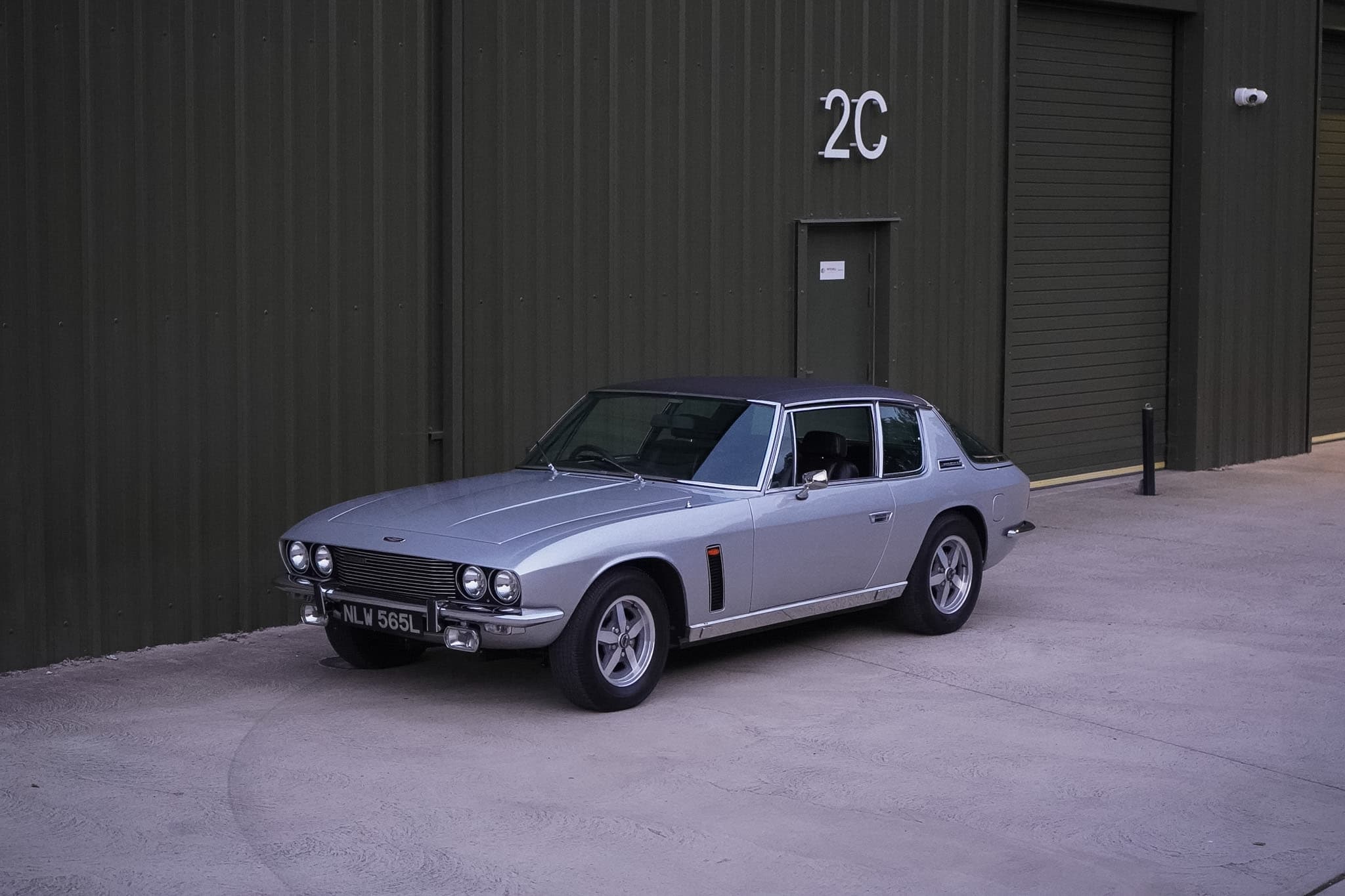
The TMJC Interceptor Mk III case study makes that distinction unusually clear. Its listing separates an earlier bare-metal restoration from a much later engine and mechanical overhaul, while also describing matching-numbers evidence and factory-origin documentation. That is a better model for due diligence than treating one large restoration figure as a blanket quality certificate.
Confirm identity before condition
Start with the car's core identity. Chassis information, engine and gearbox numbers, factory correspondence and marque records should agree. On a valuable restored classic, this matters because excellent paint can hide a confused identity just as easily as poor paint can hide corrosion.
Where matching numbers are claimed, ask what documentary authority supports the claim. In the TMJC case study, the listing refers to a Statement of Origin alongside surviving factory correspondence. That is stronger evidence than an undocumented verbal assurance.
Break the restoration into separate projects
Create a simple timeline and divide the work into categories:
- Structural and body restoration.
- Paint, trim and cosmetic finishing.
- Engine and gearbox work.
- Cooling, fuel and electrical systems.
- Brakes, steering and suspension.
- Later recommissioning after storage or limited use.
This prevents a common mistake: assuming a car restored many years ago is mechanically fresh today. Rubber, seals, cooling components and fuel systems continue to age even when mileage is low.
Spend is context, not proof
Large invoices can be encouraging because they show somebody was willing to fund proper work. They do not prove the work was necessary, correct or well executed. Read the invoices. Look for specialists, parts detail, photographs and staged billing that explain what happened.
The TMJC Interceptor records substantial body-restoration expenditure and a separate recent engine/mechanical programme. The useful point is not the headline total; it is that the work is itemised across different periods and can be tied to named specialists and mileage.
Inspect the restored shell like a restored shell
Fresh presentation should make inspection easier, not shorter.
- Check panel fit, shut lines and glass/seal installation.
- Look underneath at repair seams, coating quality and drainage areas.
- Inspect known heat-affected areas around the V8 and exhaust.
- Confirm the cooling system is engineered for reliable real-world use.
- Test every electrical function, including air conditioning if fitted.
- Look for evidence that suspension and braking work matches the power and weight of the car.
Ask what happened after restoration
A car that covered very few miles after a major rebuild may still need sorting. Conversely, a car that has completed sensible shakedown mileage can reveal whether the restoration works as a whole.
Ask for dates and mileages around each major phase. Then compare them with MOT records and invoices. The ideal file lets you see when the body was finished, when the engine was rebuilt, what recommissioning followed and how much the car has been driven since.
The buying decision
The strongest restored Interceptor is not simply the shiniest. It is the car where identity, craftsmanship, invoices, later maintenance and physical inspection all tell the same story. If one part of that chain is missing, price the uncertainty rather than filling the gap with assumption.
Related car
Cars covered in this guide
Restoration guide
7.2 V8Research