Manufacturer
TVR
How a small Blackpool engineering business became TVR, why the name comes from Trevor Wilkinson, and how the marque evolved through the Lilley and Wheeler eras.
Model directory
TVR models
Choose a TVR model family to compare its generations, engines, body styles and collector context.
TMJC Catalog guide
TVR history: Trevor Wilkinson, Blackpool and the Speed Six era
How a small Blackpool engineering business became TVR, why the name comes from Trevor Wilkinson, and how the marque evolved through the Lilley and Wheeler eras.
- Page
- Manufacturer overview
- Reviewed
- 10 Sept 2026
- Specifications
- 0 verified
TVR grew from a small Blackpool engineering business into one of Britain's most distinctive low-volume sports-car makers. The company changed ownership, legal form, engines and model ranges repeatedly, but a recognisable idea survived for decades: light bodywork, a tubular chassis, a front-mounted engine and rear-wheel drive, with performance taking priority over mass-market convention.
Even the starting date needs a little care. TVR's own heritage chronology begins the Wilkinson era in 1946. The TVR Car Club's Trevor Wilkinson history adds the useful detail: Wilkinson bought a wheelwright's business in Blackpool in 1946, renamed it Trevcar Motors in 1947, and began TVR Engineering that year. The familiar 1946-versus-1947 difference is therefore better understood as a choice of milestone than as a dispute over who founded the marque.
What does TVR stand for?
The name comes from Trevor Wilkinson. The TVR Car Club describes the letters as being taken from TreVoR, which is a much simpler origin than some automotive marque names acquire in hindsight.
Wilkinson's business started with general engineering work in Blackpool. Official TVR history records the first TVR chassis in 1949, using a Morris Eight live rear axle, independent front suspension and a Ford side-valve engine beneath an aluminium body. The car itself no longer survives.
The important part is not the parts list. Wilkinson had established the design logic that would keep resurfacing: a lightweight body over a tubular structure, front engine and rear-wheel drive.
From early specials to the Grantura
The early cars were small-volume and experimental. In 1953 Wilkinson and Jack Pickard produced a Sports Saloon using Austin A40 components, and by the middle of the decade TVR was developing its own chassis architecture more deliberately. A fastback shape introduced in the late 1950s evolved into the Grantura, the model that turned those early engineering ideas into a recognisable production TVR.
The company was never a simple uninterrupted success story. Financial trouble and changes of control arrived early. By 1960 Trevor Wilkinson was no longer the controlling figure, and the business would pass through several distinct eras.
The Lilley era rebuilt TVR
Arthur and Martin Lilley acquired the remains of Grantura Engineering in November 1965 and rebuilt the business around a new sequence of models. The Vixen followed, while the original Tuscan name was used for V8 and later V6 cars in the late 1960s and early 1970s.
That matters when reading about a modern Tuscan. The name was not invented for the curving Speed Six road car launched around 2000; TVR had already used it for both road cars and, later, the Tuscan Challenge racing series.
Peter Wheeler changed the scale and the engineering
Peter Wheeler took control in late 1981. TVR's own history describes him as a Taimar Turbo owner before he became the company's controlling figure.
The Wheeler years produced the cars that defined TVR for a generation of British enthusiasts. The angular Tasmin family developed into Rover V8-powered Wedges; the S Series returned to softer forms; then came the Griffith and Chimaera, the latter becoming TVR's best seller according to the company's heritage account.
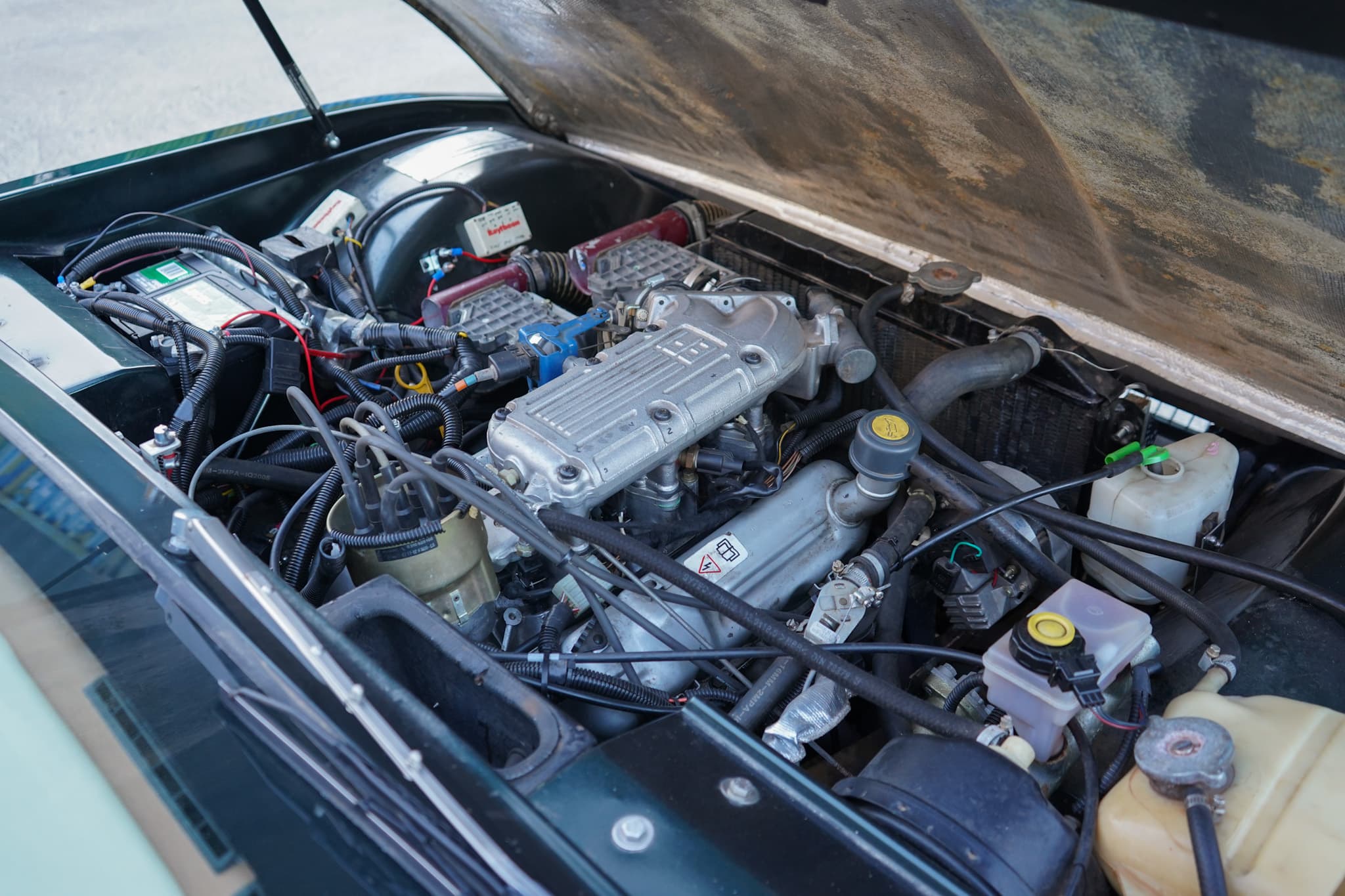
The more consequential change happened under the bodywork. The Cerbera introduced TVR's own AJP V8 rather than relying entirely on bought-in Rover engines. TVR then developed the Speed Six, the straight-six that would power the Tuscan and several of the final Blackpool-era road cars.
That move is central to understanding late TVR. The company was no longer merely designing a chassis and body around another manufacturer's engine; it had taken on the cost, complexity and identity of building its own powertrains.
Why the Tuscan matters in TVR history
TVR's own Wheeler-era history says the Speed Six-powered Tuscan was introduced as the Griffith's replacement. The near-production road car was shown in the late 1990s and customer cars followed around 2000.
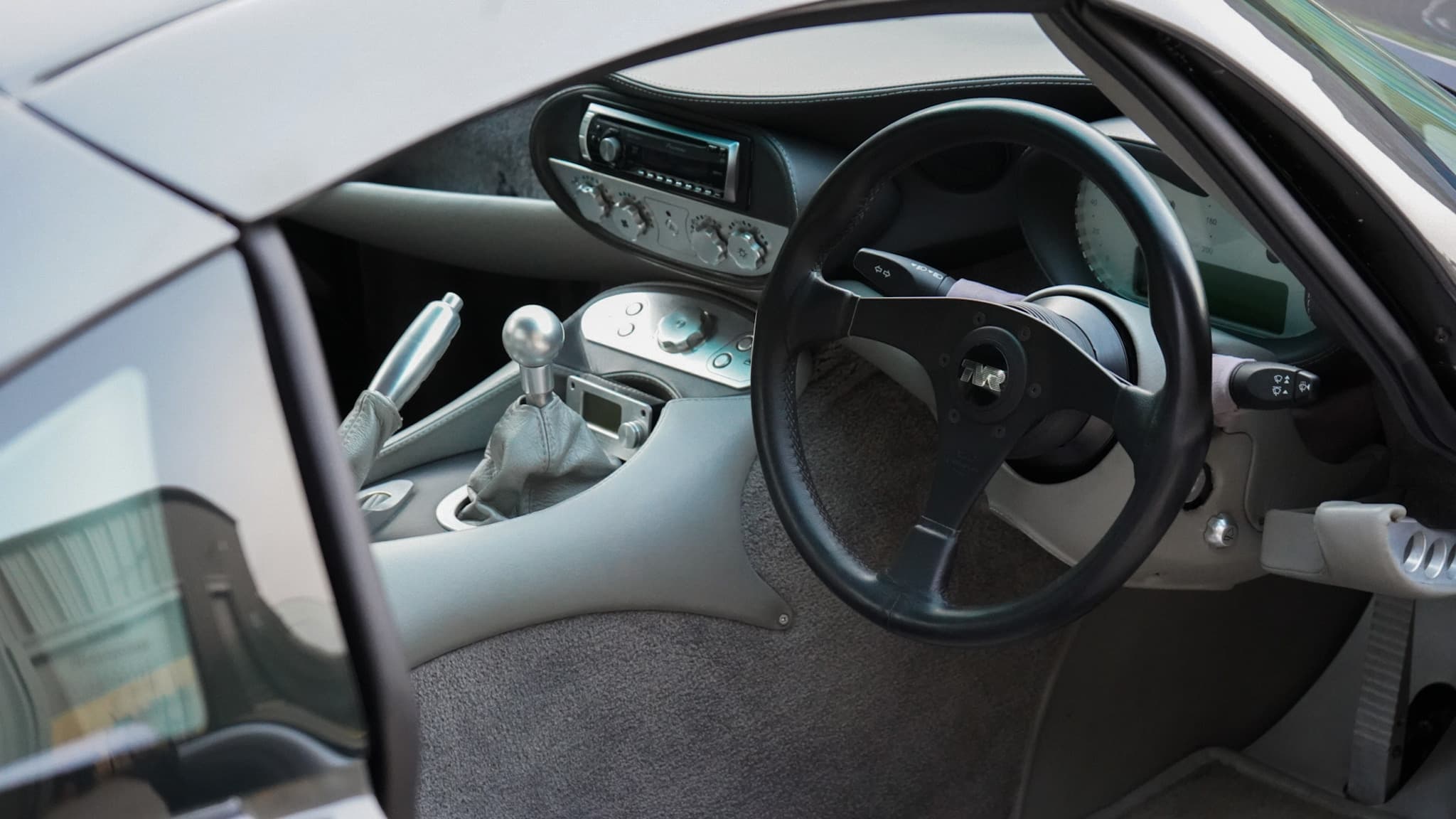
The Tuscan combined the marque's familiar front-engine/rear-drive layout with an in-house straight-six, removable roof arrangement and styling that could not easily be mistaken for a rival's car. In 2004 TVR reworked it as the Tuscan 2, with revised styling, suspension geometry, steering and dashboard, and added a Convertible.
For the confusing late-car Mk3 and wavy-dashboard terminology, use our TVR Tuscan Mk3 wavy-dash guide; that terminology deserves its own evidence rather than being treated as a neat factory generation here.
What happened to Blackpool production?
Peter Wheeler sold TVR to Nicolai Smolenski in 2004. Official TVR history records ambitious plans to improve quality and modernise the Speed Six, followed by falling sales, changing production plans and a breakup of the business into component parts. In late December 2006, TVR went into receivership.
Smolenski subsequently bought the company back from the receivers and showed a Sagaris 2 in 2008, but TVR's own history records no restart of series production in that period. A separate chapter began in 2013, when a Les Edgar-led consortium acquired the TVR brand, intellectual property and remaining assets under TVR Automotive Ltd. The later company developed a new sports car with Gordon Murray Design and a Cosworth-developed V8, unveiling it at the Goodwood Revival in 2017. That revival is part of the marque's history, but it should not be confused with continued Blackpool production.
That distinction is important when assessing late cars. A later registration date is not automatically a later factory production date. Cars completed, sold or registered around the end of Blackpool production need chassis, build and documentary evidence if a precise production story matters to value or originality.
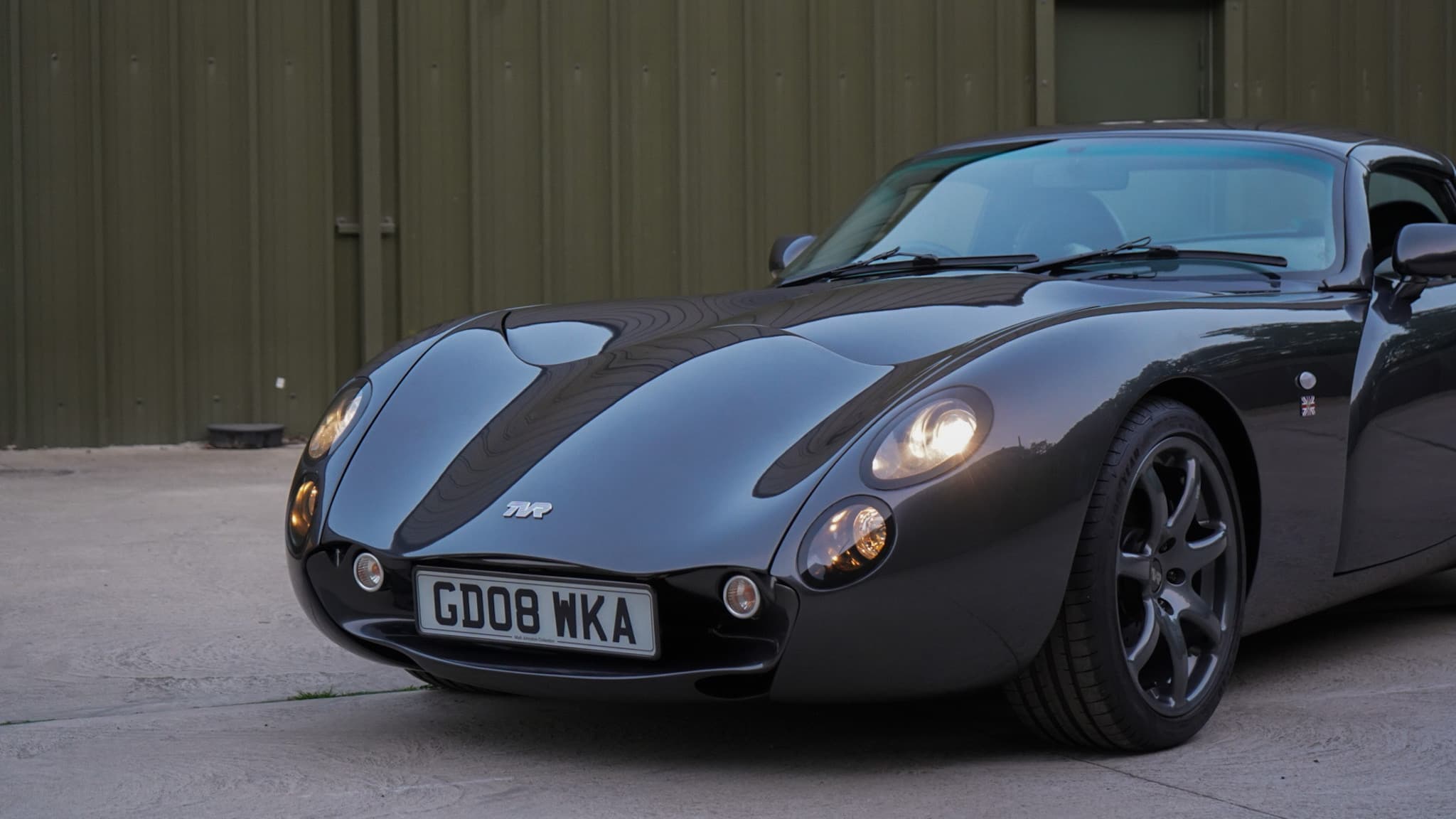
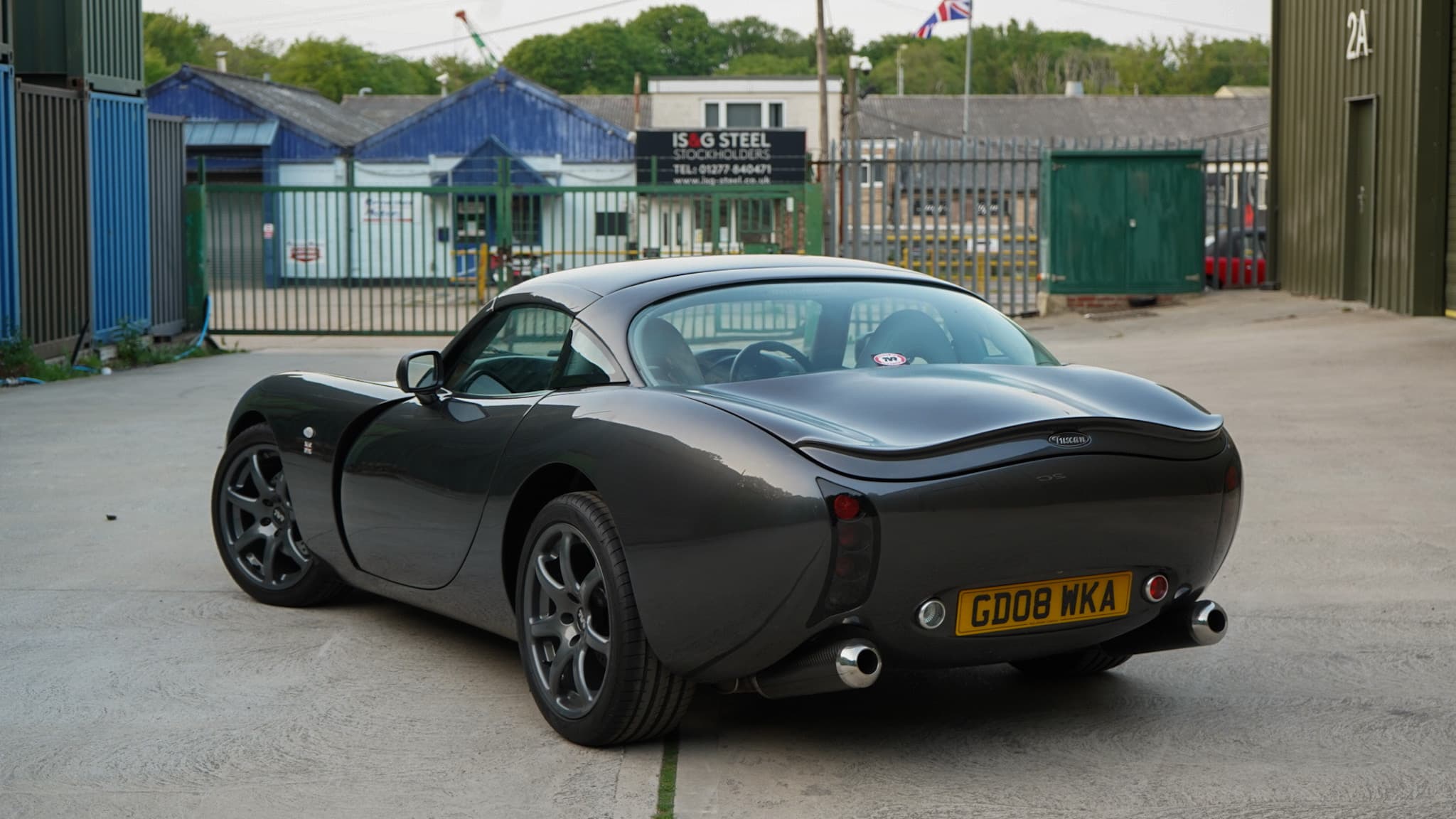
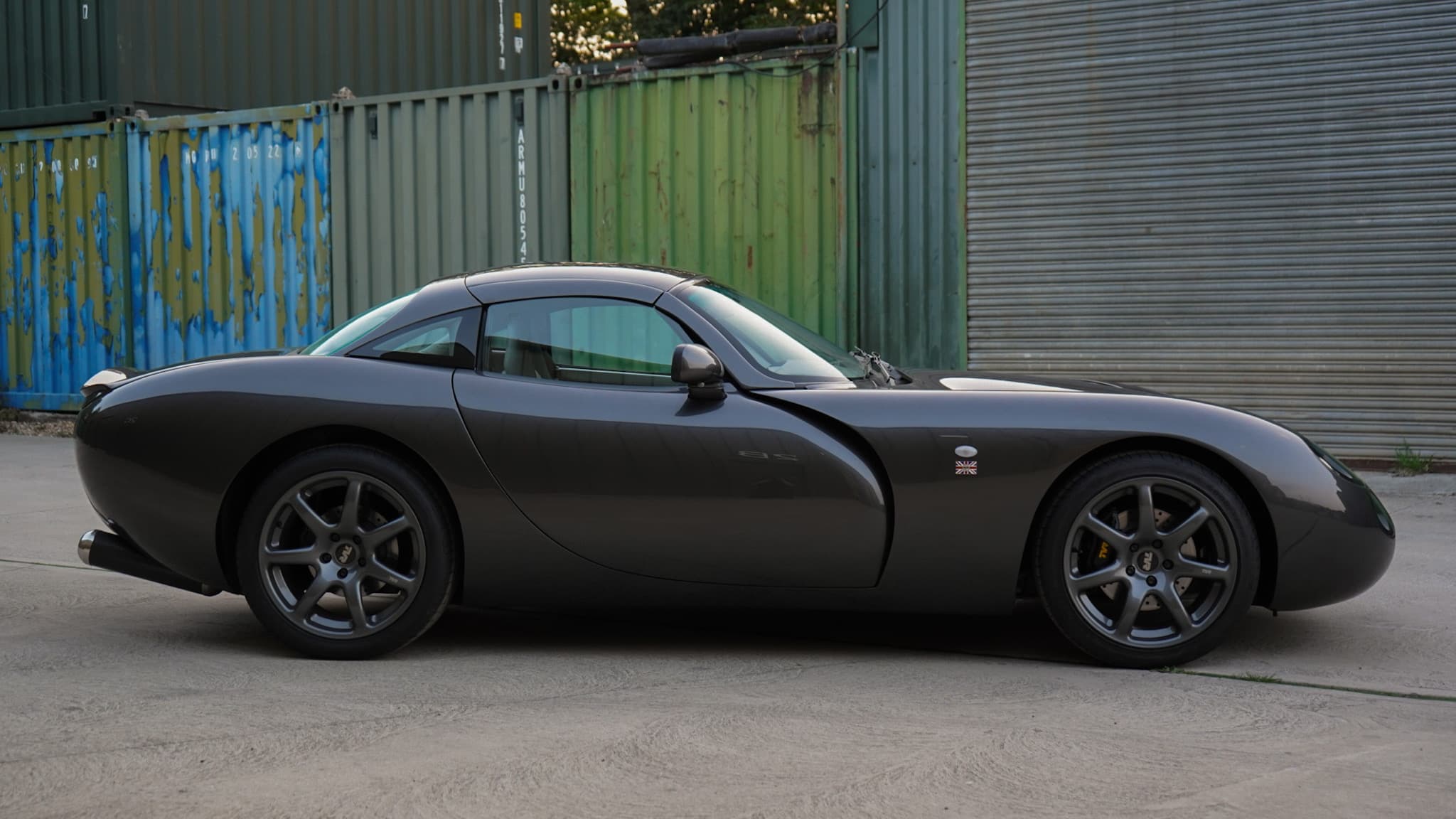
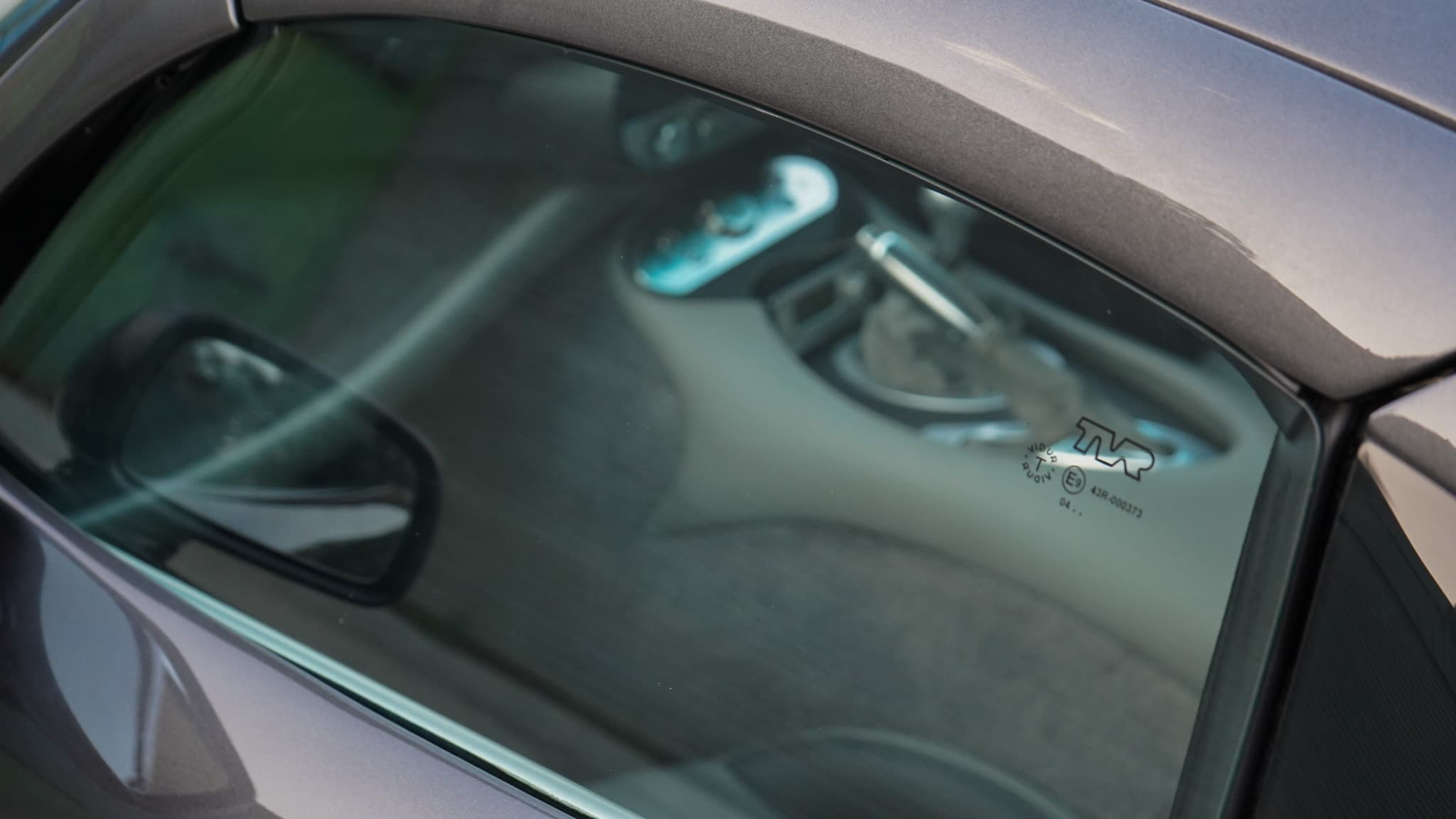
TMJC's own archived Tuscan is a good example of why that distinction matters: it is described as a 2008-registered Tuscan 2 `MK3`. That is useful first-party context, but the registration year and enthusiast nickname should not be turned into a factory generation without supporting evidence.
For any late low-volume car, the paperwork deserves the same attention as the visible specification. Our collector-car provenance guide sets out the evidence hierarchy.
Sources and further reading
TMJC media
Explore the car in detail
Sell, consign or editorial
Thinking of selling or consigning a special car?
Continue with TMJC for a discreet conversation, professional presentation and collector-focused support.
Enquire now