TMJC assistance
Want TMJC to help with this vehicle?
Sourcing, consignment and valuationContinue to the main TMJC website and speak directly with the collection team.
Generation
Porsche’s own current sources use “944 II” differently: Finder says 1989-91, while Classic parts material uses the label for earlier applications. Here is how to read it.
Variant directory
Choose an exact 944 II derivative for engine, gearbox, performance, dimensions, equipment and buying-context detail.
TMJC guide
Porsche’s own current sources use “944 II” differently: Finder says 1989-91, while Classic parts material uses the label for earlier applications. Here is how to read it.
Porsche's current model taxonomy divides the 944 into 944 I (1982-1988) and 944 II (1989-1991). That makes 944 II a useful way to describe the final model-year phase of the transaxle 944, but it should not be mistaken for an all-new platform that arrived overnight in 1989.
The late cars are better understood as the culmination of an evolving 944 range: the naturally aspirated S2 replaced the S, the Turbo gained the output previously associated with the Turbo S, and open-top derivatives appeared before 944 production ended in 1991.
Porsche Finder, the manufacturer's own vehicle-search platform, currently lists two 944 generations:
| Porsche generation | Years shown by Porsche |
|---|---|
| 944 I | 1982-1988 |
| 944 II | 1989-1991 |
The same Porsche interface lists the 944, 944 S, 944 S2, 944 Turbo and the Cabriolet derivatives as separate variants. That is useful because it gives the late 944s a manufacturer-defined generation label rather than relying on an enthusiast nickname.
It is still worth being precise about what the label means. Porsche's historical material describes a continuous programme of development across the 944's life. 944 II is a helpful modern Porsche classification for the final model years; it is not evidence that the basic front-engine, rear-transaxle architecture was replaced by a clean-sheet chassis for 1989.
This is where the terminology becomes easy to misread. Porsche does not use 944 II with one universal year definition across all of its current properties. Porsche Finder currently defines 944 II as 1989-1991, while Porsche Classic's own parts publications use the same label for some earlier applications.
Porsche Classic's original-parts catalogue for the updated 944 is headed Model: 944 85 and Model life 1985>>1988, and says that it covers the Type 944 from model year 1985/2 to model year 1988. Porsche Cars North America's Classic maintenance schedule likewise covers the 944 Series MY 1985/2-91. Those are useful factory designations because they show that the mid-1985 change is a real technical/documentation boundary.
More unusually, Porsche Classic's own ORIGINALE 07 parts publication actually uses the name 944 II. One connector-housing application is listed for 944 II (1986-1989), while the same publication's 944 quick-search pages also describe an injection valve for 1988-1989, only for 944 II. Elsewhere on those pages Porsche simply uses 944 for broader or earlier applications.
That does not establish 1986-1989 as a new universal factory generation definition. A parts-application range answers a parts-compatibility question, not necessarily a historical taxonomy question. What it does prove is more useful: the different year definitions cannot be dismissed as Porsche versus enthusiast terminology, because Porsche Classic itself also uses 944 II outside Porsche Finder's 1989-1991 range.
Some specialist references use the name differently. Elferspot, for example, calls the substantially updated 1985-on cars 944/II, with the earlier cars as 944/I. That usage also appears in specialist and classified material, which explains why a 1985, 1986 or 1987 car may be advertised or discussed as a 944 II even though Porsche Finder's current generation filter places those years in 944 I.
The practical rule is therefore to ask what job the label is doing in the source. On this site, 944 II follows Porsche Finder's current 1989-1991 generation classification. In Porsche Classic parts literature, the same words can describe applicability around the substantially revised post-1985 cars. When researching a particular car, parts or maintenance history, the exact model year, derivative, VIN and the relevant Porsche parts/workshop document are more precise than the phrase 944 II on its own.
The mid-1985 boundary is more than a naming argument. Porsche Classic's own parts catalogue is explicitly scoped to Type 944 from model year 1985/2 to model year 1988, and its later-car catalogue includes a separate 944/945 dashboard assembly and trim group. That gives the 1985/2 split a concrete factory parts-and-service meaning even though Porsche Finder now reserves its 944 II generation filter for 1989-1991.
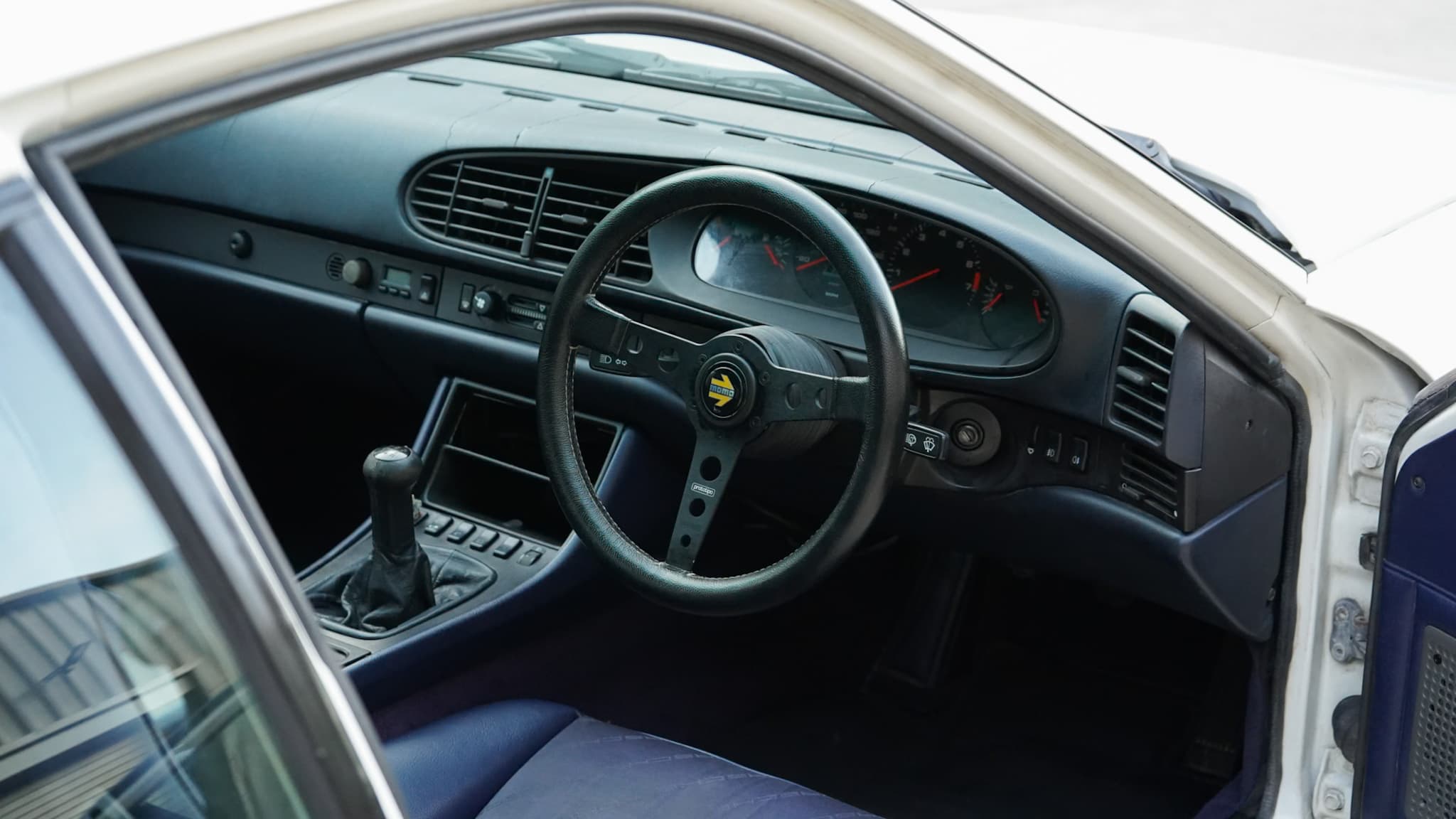
The broader changes explain why many specialist references call the post-update cars 944/II or Series 2. Elferspot's technical history describes a substantially redesigned dashboard and instrument layout, revised climate controls, door panels and centre console, plus a steering-column mounting raised by 12 mm. It also records the radio aerial moving into the windscreen and stronger door protection.
The same specialist account notes an 80-litre fuel tank, a 115 A alternator in place of the earlier 90 A unit and aluminium front control arms among the mechanical and usability changes. Those are useful clues when comparing early and post-update cars, but they should not be turned into a universal one-day cut-over rule for every market and derivative.
So there are two different questions. If you are identifying parts, interior specification or service applicability, MY 1985/2 is a meaningful Porsche documentation boundary. For broader generation naming, Porsche Finder currently groups 944 II as 1989-1991. For an individual car, the model year, derivative, VIN and relevant factory parts/workshop literature remain more precise than the Series 1/Series 2 shorthand.
For the wider model story — including the 924 relationship, the 1981 Le Mans development car and the origin of the Porsche four-cylinder — see the Porsche 944 model guide.
The apparent date conflict is mostly a matter of convention.
Porsche's 2026 transaxle chronology says that the 944 S2 appeared in 1988, replacing the 944 S with a 3.0-litre, 155 kW / 211 PS naturally aspirated engine. Porsche Classic, meanwhile, describes the S2 as MY 1989-91, and Porsche Finder groups 944 II as 1989-1991.
Those statements can all be true at the same time. A model can be introduced during one calendar year and belong to the following model-year range. For identification and originality work, it is therefore better to establish the actual model year and derivative of a car than to treat its first-registration date as the whole story.
The 944 II years contain several distinct specifications, so there is no single engine or power figure that describes every car.
The S2 is the important naturally aspirated branch. Porsche gives it a 3.0-litre four-cylinder, 155 kW / 211 PS and 280 Nm in period-retrospective technical material. It replaced the earlier 944 S and became the basis of the first 944 Cabriolet.
The Porsche 944 S2 deserves its own specification treatment because its engine, timing-drive architecture, body details and ownership questions are not universal to the rest of the late 944 range.
Porsche's transaxle chronology records that for 1989 the regular 944 Turbo adopted the 184 kW / 250 PS engine output previously associated with the Turbo S. That makes a late Turbo materially different from simply applying early-Turbo figures to every forced-induction 944.
Porsche introduced the first 944 Cabriolet in 1989 on the basis of the S2. The Turbo Cabriolet followed in 1991 and was produced for only one year. Porsche Finder also separates 944 S2 and 944 S2 Cabriolet as different variants, which is a useful reminder not to mix Coupé and Cabriolet specifications merely because they share the S2 name.
The final cars retained the defining transaxle concept that shaped the whole model family: the engine sits at the front while the transmission and differential are at the rear, linked through a central tube. Porsche's own technical history connects that layout with balanced axle loading, predictable handling and useful packaging for a four-seat hatchback sports car.
The 944 II label therefore describes a late phase of a continuing engineering idea rather than a move away from it.
A badge or a first-registration year is not enough on its own. Before comparing specifications, establish:
This matters particularly with cars that have been restored or modified. A Turbo-style front end does not by itself turn another 944 into a Turbo or S2, and late-model trim can migrate between cars over decades.
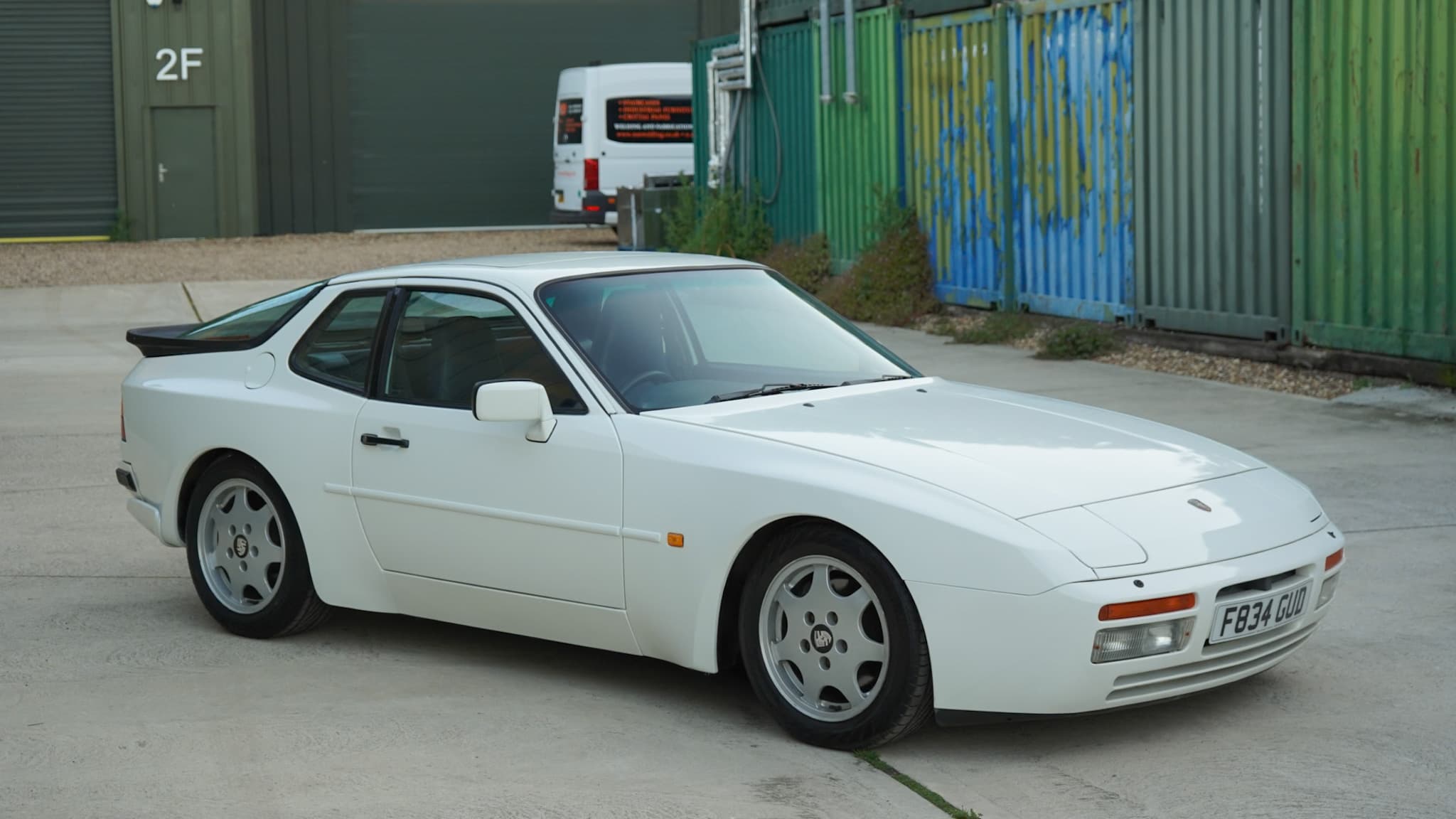
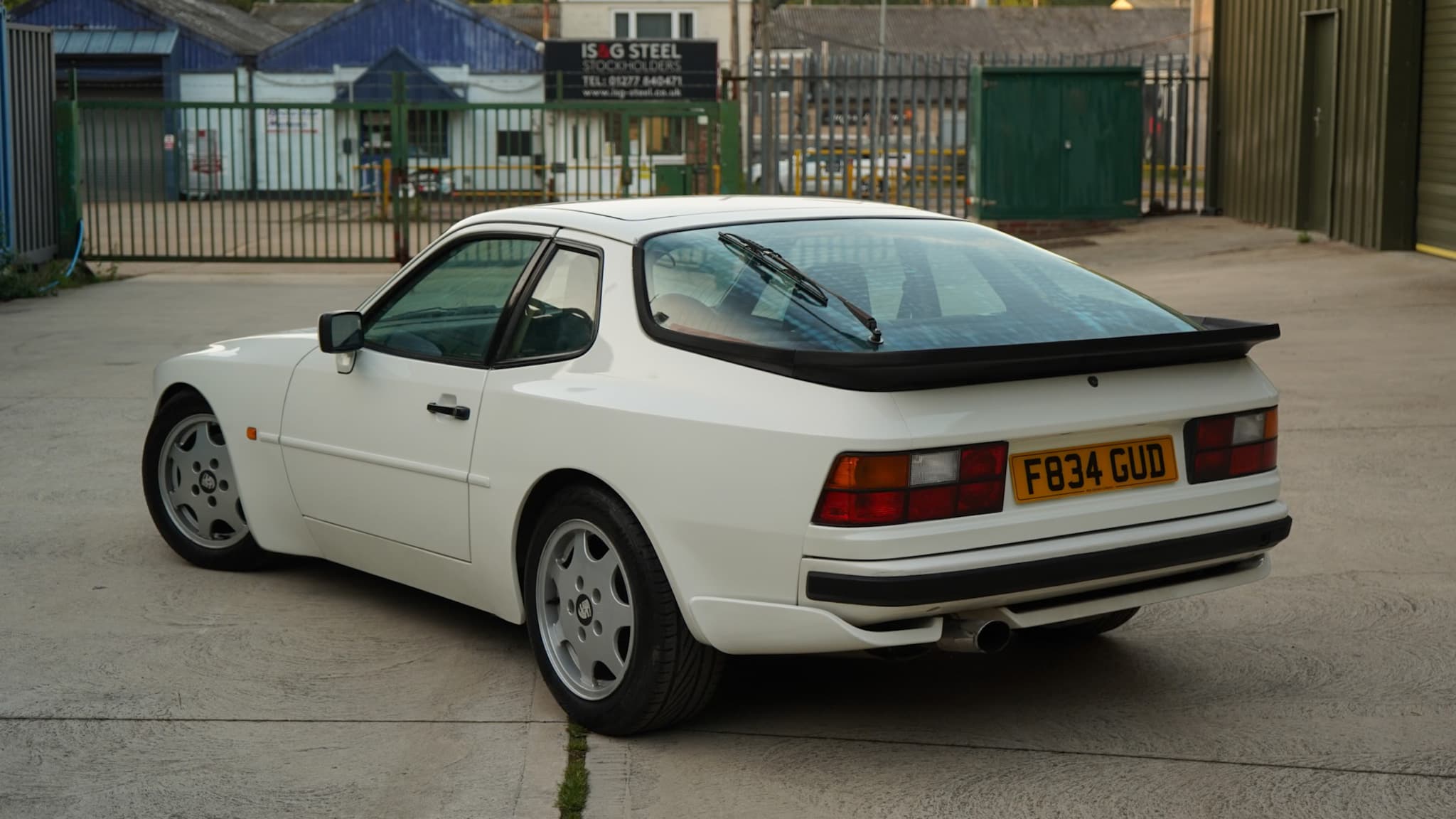
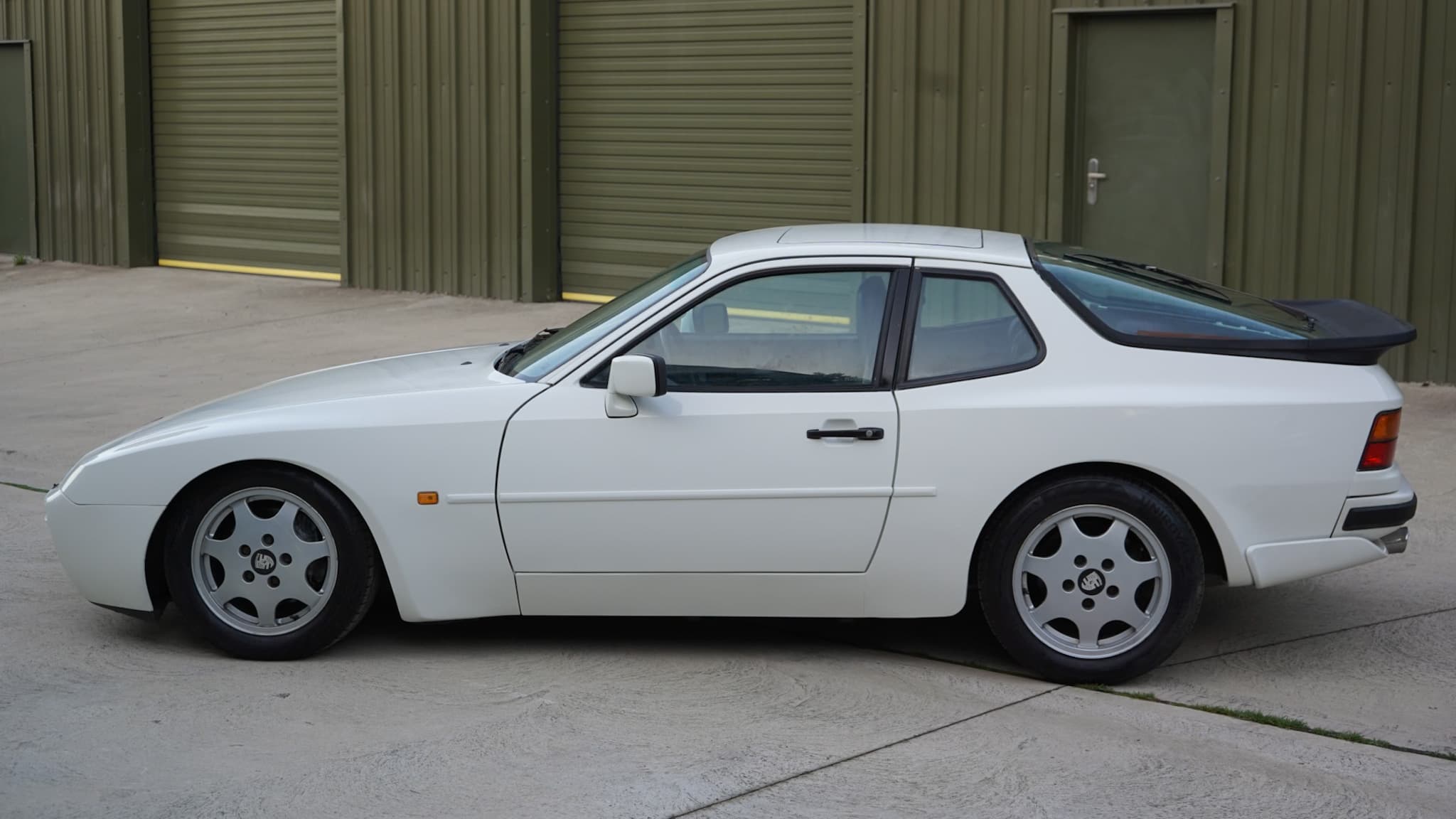
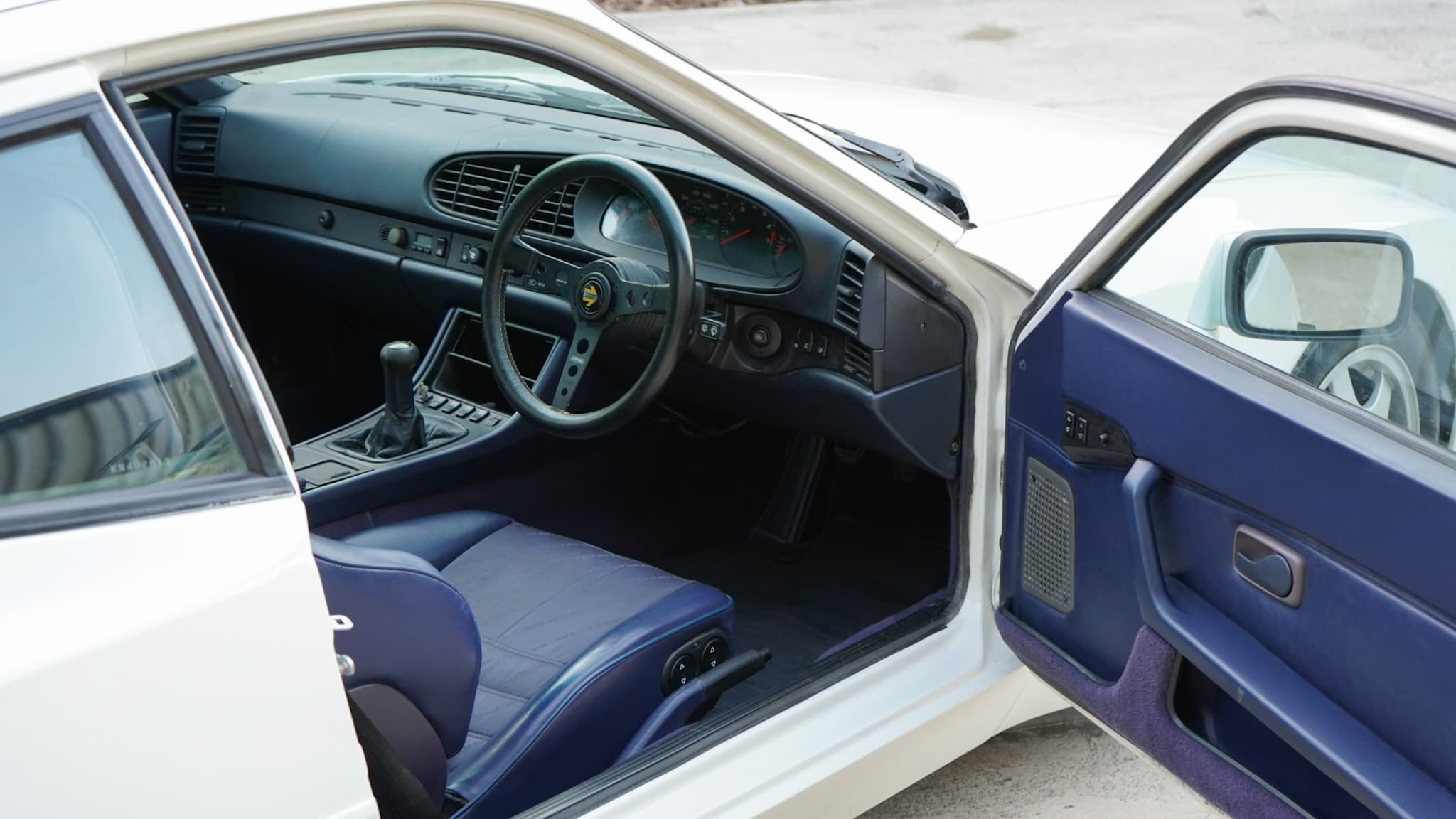
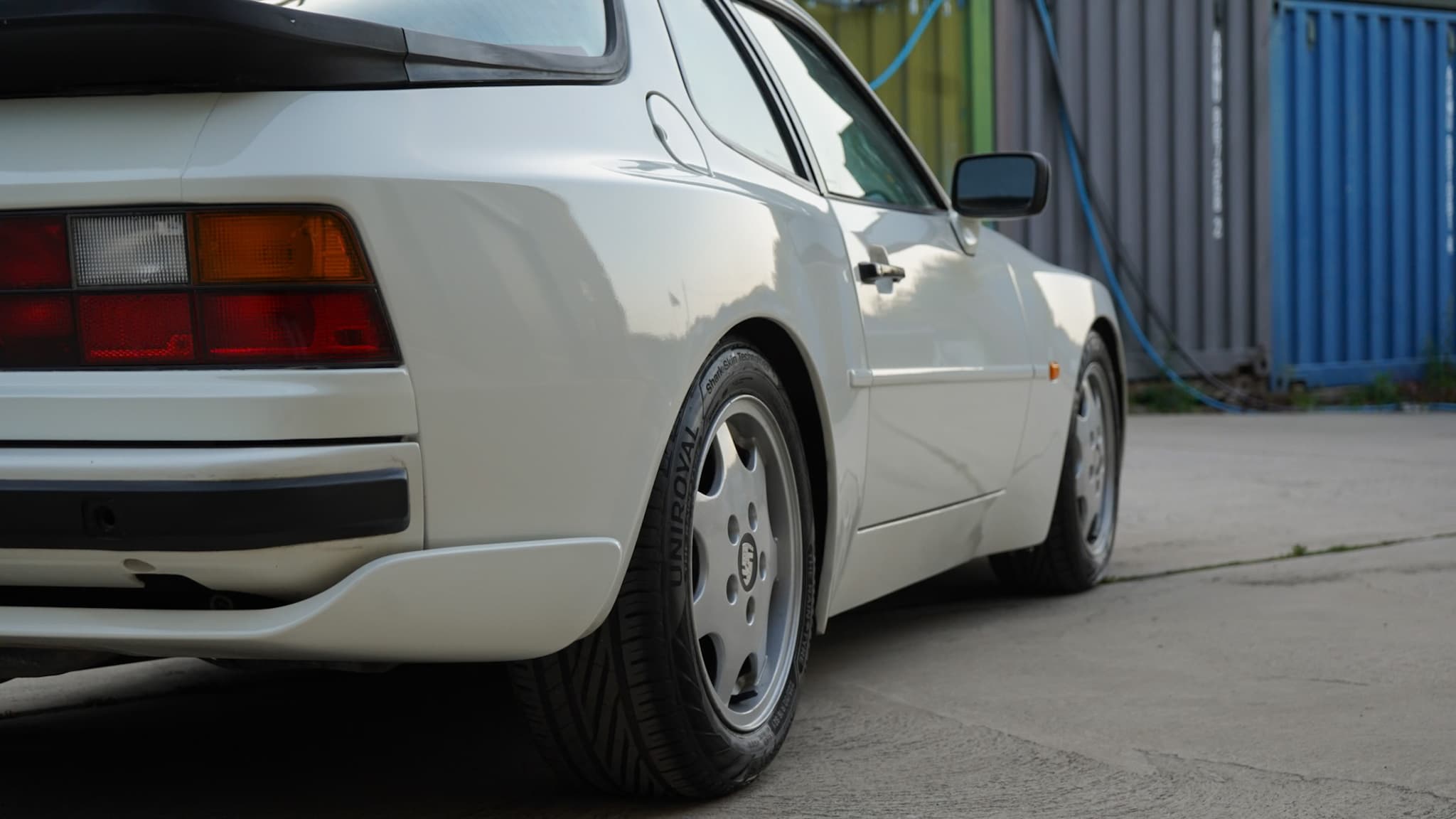
TMJC has handled a 1989 Porsche 944 S2, giving the Garage a real late-944 reference point rather than a purely catalogue-based connection. The archived first-party research records that individual car as right-hand drive and manual with the 3.0-litre S2 engine.
Its paint, interior, mileage and individual history belong to that car. They are useful provenance context, not evidence that every 944 II or every S2 left the factory in the same specification.
Porsche states that 163,302 944s were produced across the complete model family before production ended in 1991. That figure should not be presented as a 944 II production total: it covers the wider 944 series.
Derivative-level production figures also need care. Porsche Klassik describes fewer than 9,400 S2 Coupés and around 7,000 S2 Cabriolets across the late period, while Porsche's chronology gives 6,980 for the S2-based Cabriolet. Those figures answer derivative questions; they do not provide a clean total for every car Porsche now groups under 944 II.
For a late 944, the most useful paperwork is evidence that connects the physical car to its actual derivative and maintenance history. Look for VIN/model-year consistency, engine and transmission documentation, invoices that identify major service work clearly, and evidence for any body repairs or replacement panels.
On an S2 in particular, vague statements such as timing done are not as useful as dated invoices identifying what was actually replaced or inspected. On Turbo cars, compare the car against the correct late-Turbo specification rather than an early example. Originality questions should be settled with period documentation and vehicle-specific records rather than assumptions from badges or wheels.
Editorial information
Research and editorial from TMJC Garage.
Research and editorialTMJC Garage
Reviewed byMatt Johnston
Last reviewed20 September 2026
Published byThe Matt Johnston Collection
Model lineage
TMJC photography
TMJC assistance
Continue to the main TMJC website and speak directly with the collection team.
Sell, consign or source
Continue with TMJC for a discreet conversation, professional presentation and collector-focused support.
Enquire now