TMJC assistance
Want TMJC to help with this vehicle?
Sourcing, consignment and valuationContinue to the main TMJC website and speak directly with the collection team.
Manufacturer
A German marque shaped by the Beetle, Karmann Ghia, Golf and GTI: Volkswagen history from its 1937 origins through the post-war restart and 1970s reset.
Model directory
Choose a Volkswagen model family to compare its generations, engines, body styles and collector context.
TMJC guide
A German marque shaped by the Beetle, Karmann Ghia, Golf and GTI: Volkswagen history from its 1937 origins through the post-war restart and 1970s reset.
Volkswagen's story is not one continuous engineering formula. The company was founded in 1937 inside Nazi Germany's state-directed "people's car" project, emerged from the Second World War under British trusteeship, built its post-war identity around the Beetle and then reinvented its high-volume cars around front engines, water cooling and front-wheel drive in the 1970s. For collectors, that makes Volkswagen unusually broad: a marque can encompass an air-cooled Karmann Ghia and a first-generation Golf without either feeling like a footnote. Volkswagen Passenger Cars’ current headquarters is at the Wolfsburg plant in Germany.
Volkswagen means “people’s car” in German. The phrase existed as the description of a mass-motoring project before it became the company name. Volkswagen Group’s own historical account says Ferdinand Porsche was commissioned in June 1934 to develop a “Volkswagen”, explicitly glossed as a “people’s car”. The German Labour Front then founded the company for the preparation of the German people’s car on 28 May 1937; it was renamed Volkswagenwerk GmbH in September 1938.
That chronology is worth keeping straight. “Volkswagen” was not originally a later advertising slogan attached to an established car maker: the people’s-car idea preceded the company itself. It also belongs to the specific political context of National Socialist mass-motorisation propaganda. The planned civilian programme did not develop into sustained customer production before the Second World War; the familiar commercial Volkswagen story begins in a very different post-war phase under British trusteeship.
Volkswagen Group's own corporate chronicle dates the company origin to 28 May 1937, when the German Labour Front founded the Gesellschaft zur Vorbereitung des Deutschen Volkswagens mbH in Berlin. It became Volkswagenwerk GmbH in September 1938. This origin needs its full context: the project belonged to the National Socialist period, the planned civilian KdF-Wagen did not reach the scheme's savers before the war, the factory was redirected towards armaments, and Volkswagen records the extensive use of forced labour during the conflict.
The industrial story that produced the familiar post-war Volkswagen begins separately in 1945. Under British Military Government trusteeship, Major Ivan Hirst helped preserve and reorganise the Wolfsburg works. Volkswagen records an August 1945 order for 20,000 cars and the start of civilian series production on 27 December 1945. That restart, rather than the pre-war savings scheme, put the car later known internationally as the Beetle into sustained civilian production.
The Beetle established the rear-engined, air-cooled mechanical template most closely associated with early post-war Volkswagen. The Karmann Ghia showed how far that hardware could be stretched stylistically. Volkswagen's Classic archive says Karmann began preliminary Type 14 work in 1953, with the Italian studio Ghia shaping a coupé around Beetle underpinnings. Series production began in August 1955 at Karmann in Osnabrück.
A Karmann Ghia is not simply a Beetle with a different badge. Its low, hand-finished body and model-specific trim make condition and completeness unusually important, even though much of the underlying mechanical ecosystem is familiar to Beetle specialists. Volkswagen records 362,601 Type 14 coupés before coupé production ended in 1974; Cabriolet figures are recorded separately, so body-specific totals should not be treated as one universal production number.
Volkswagen's post-war identity was not built by passenger cars alone. On 8 March 1950, the first series-production Volkswagen Transporter left the Wolfsburg line. The Type 2 expanded the same broad idea of simple, space-efficient transport into a purpose-built van and people-carrier family, giving Volkswagen a second post-war icon alongside the Beetle.
Volkswagen's own 70-year retrospective records roughly 1.9 million vehicles in the first Transporter generation and more than 12 million Transporters sold worldwide by 2020. The model also developed a cultural life beyond commercial use: camper, Samba and later enthusiast versions made the Bulli/Transporter family important to collectors as well as working-vehicle history.
The Transporter broadened Volkswagen's post-war identity beyond the rear-engined saloon. Long before the Golf reset the passenger-car range, Volkswagen had already turned compact mechanical packaging and maximum use of space into a separate model family with decades of continuity.
Classic Volkswagen terminology becomes confusing because Type 1, Type 2, Type 14 and T1 are not all the same kind of label. Volkswagen's own archive uses broad model-family names alongside more specific factory codes, and the Transporter adds a separate T-generation shorthand.
| Label | How Volkswagen uses it | What the label means |
|---|---|---|
| Type 1 | The Beetle family | Volkswagen Classic calls early Beetle production Type 1, while the same archive gives the saloon a factory code of Type 11. Those labels are not a contradiction. |
| Type 2 T1 | The first-generation Volkswagen Bus/Transporter | Volkswagen itself uses the exact designation Type 2 T1. Type 2 is the vehicle family; T1 identifies the first Transporter generation. Type 2 and T2 therefore do not mean the same thing. |
| Type 3 | The 1500/1600 family introduced in 1961 | Volkswagen calls the broader car Type 3 but gives Type 31 as a factory code in its archive. Again, the family name can sit above a more specific code. |
| **Type 14** | The familiar, smaller Karmann Ghia | It uses Beetle-based underpinnings and is the branch represented by the classic 1955-on Karmann Ghia most people picture. |
| Type 34 | The larger Karmann Ghia introduced in 1961 | It is based on the Type 3 family. It is a separate Karmann Ghia model alongside Type 14, not simply a later generation of the same car. |
These examples are not a universal decoder for every historic Volkswagen. The company's internal numbering developed over time and needs to be read in the context of the exact model and factory documentation.
For identification, start with the vehicle family and body, then use build date, chassis/VIN information and the relevant factory code or parts literature. That is more reliable than assuming a higher Type number means a later generation, a different engine or a particular model year.
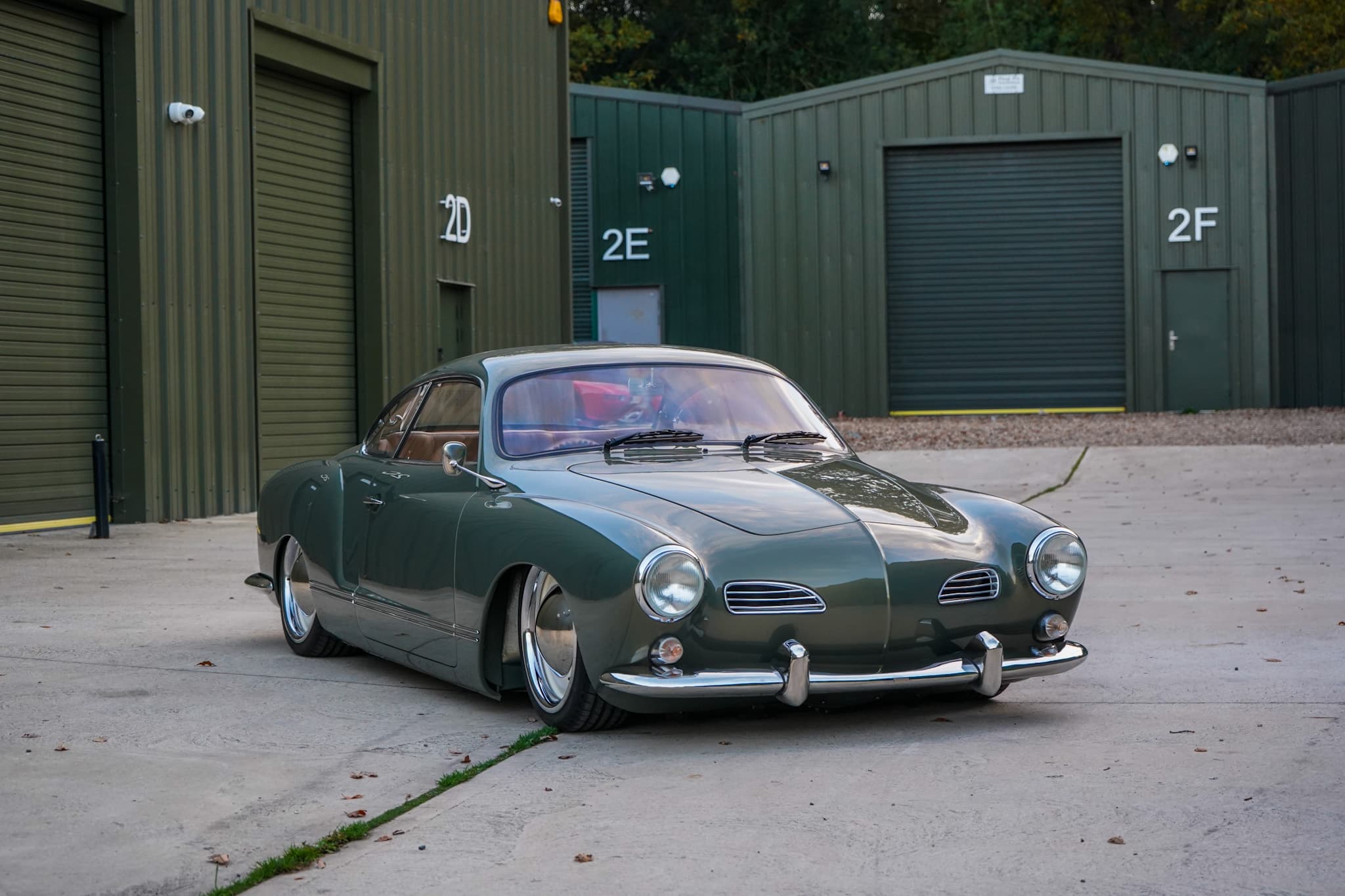
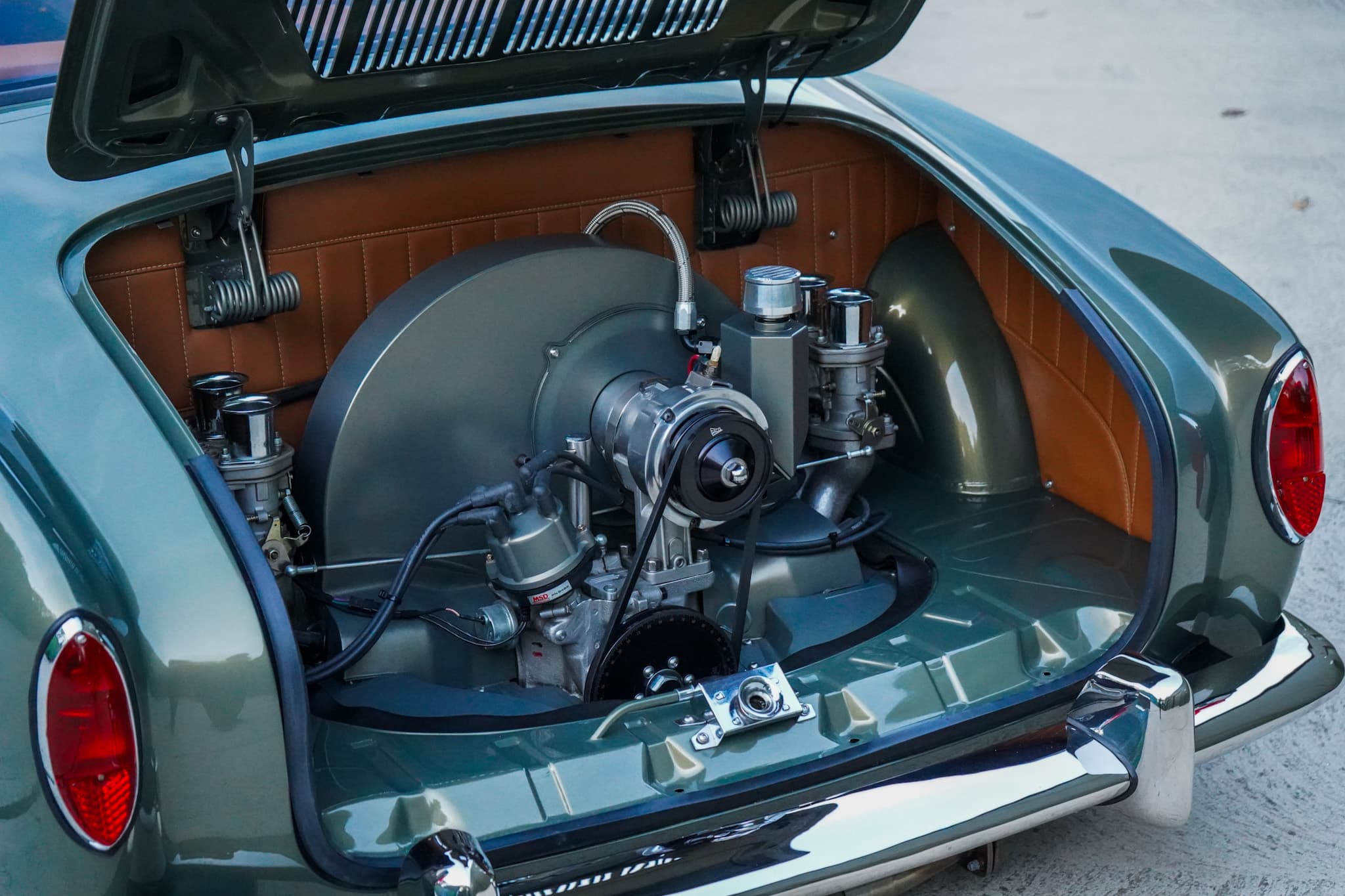
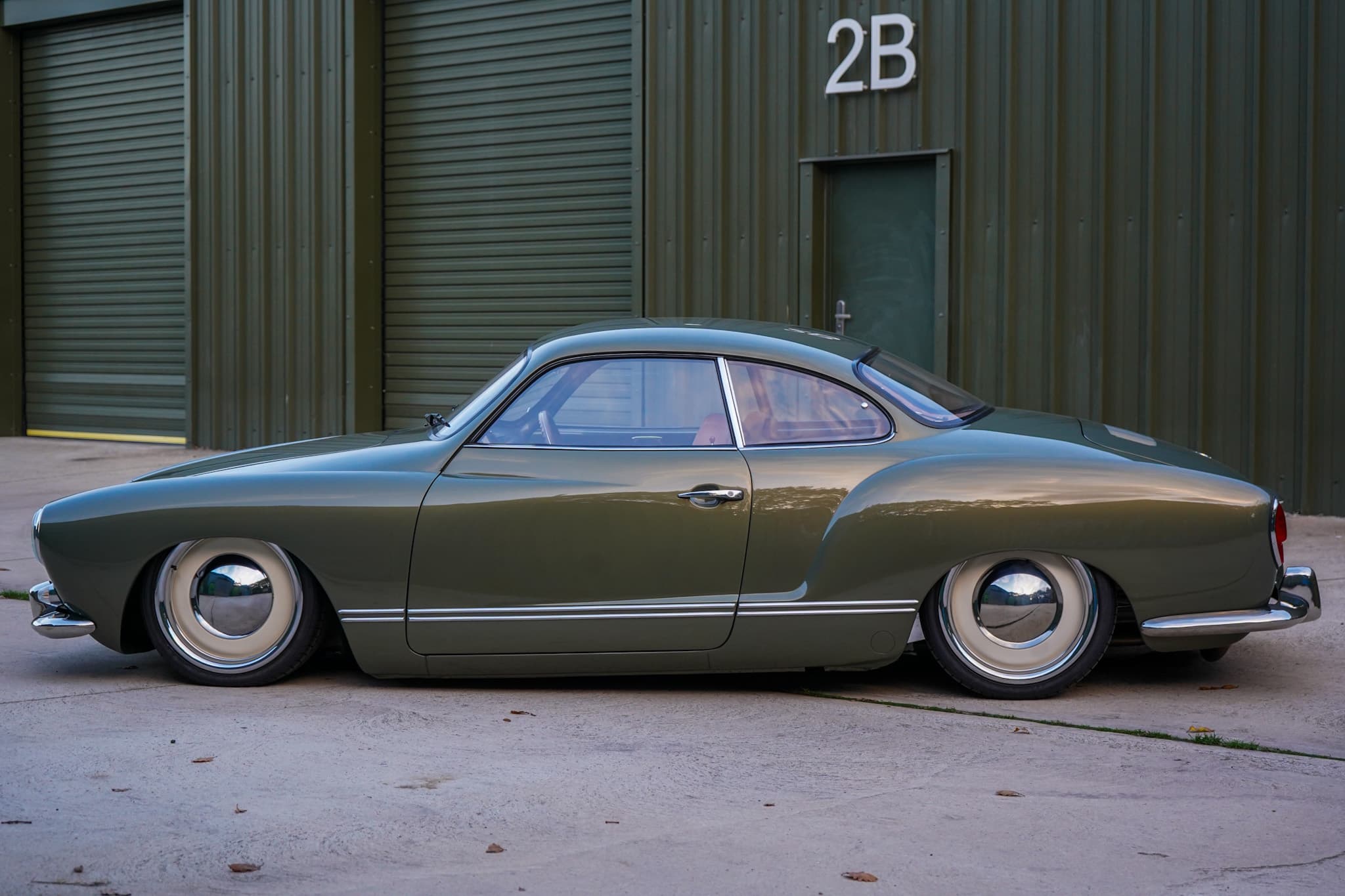
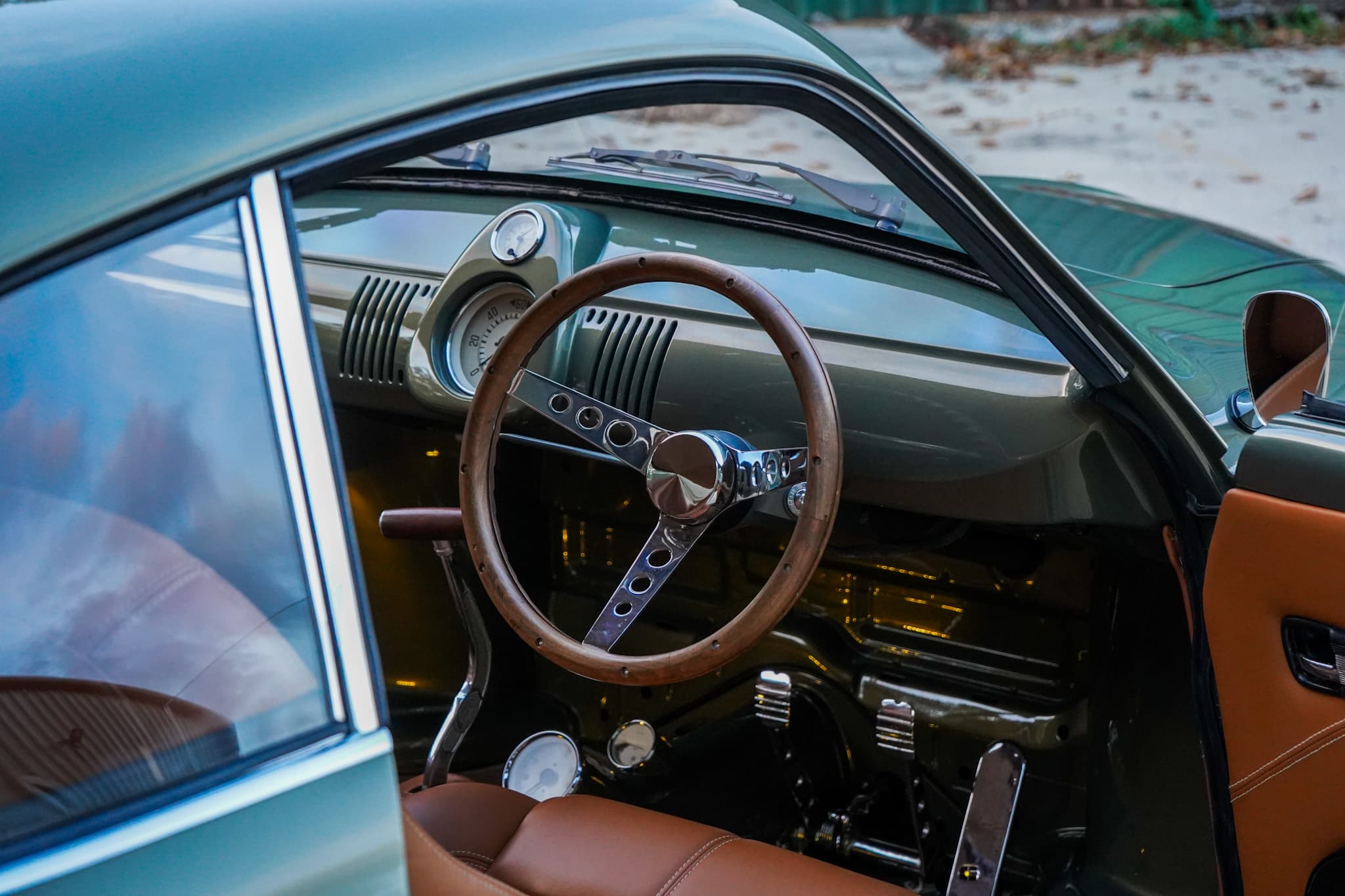
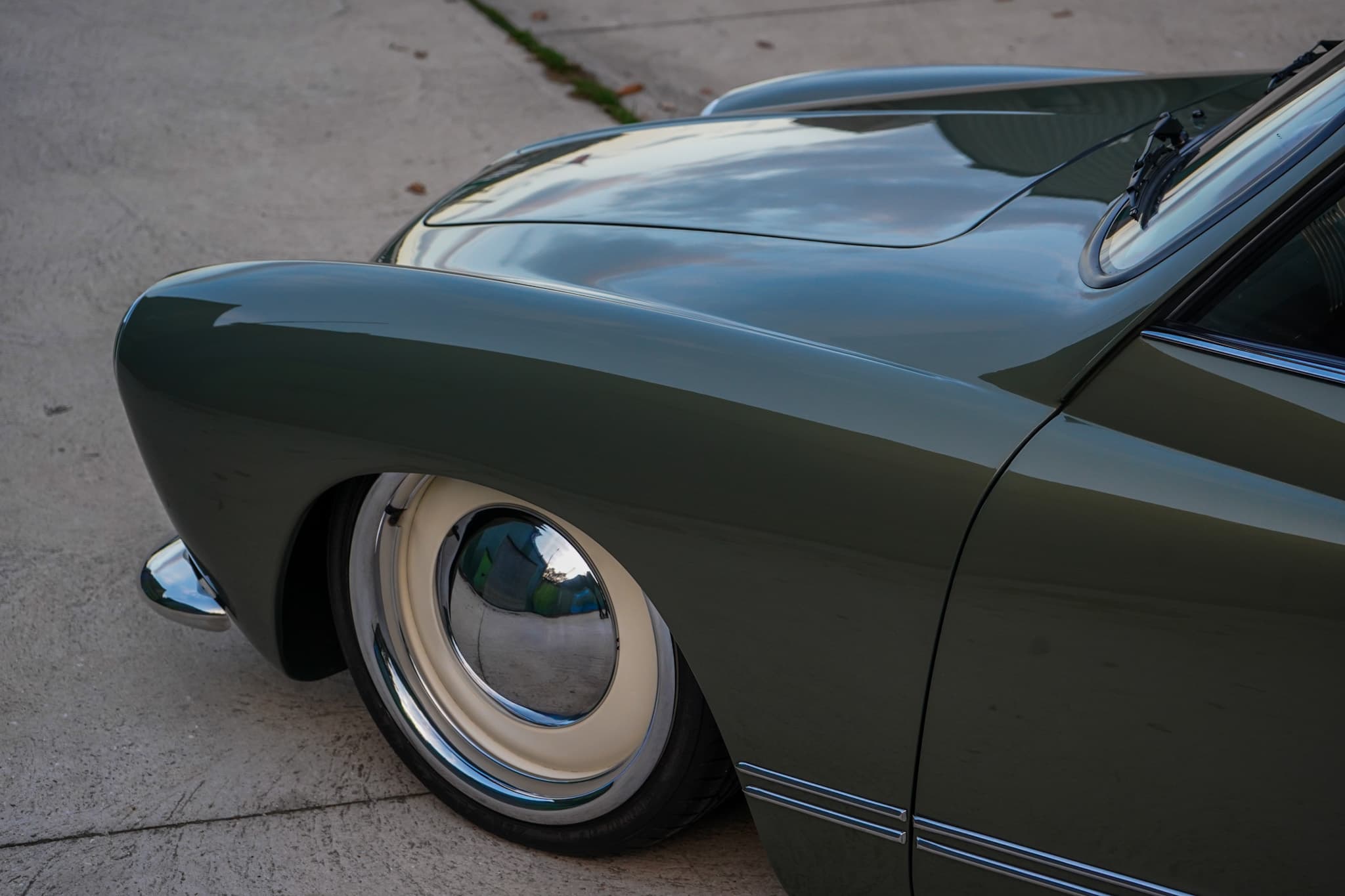
TMJC's 1970 Karmann Ghia restomod makes the distinction practical. A modified engine, suspension or body detail may describe the car as it exists today, but those changes do not replace the job of establishing which Volkswagen family and body it originally belonged to before comparing it with factory specification.
For the original air-cooled Beetle, the answer is 30 July 2003. Volkswagen Classic records the last of the classic Beetle/Kaefer line leaving the Puebla plant in Mexico on that date. Production had continued outside Germany long after the Beetle ceased to define Volkswagen's new-car range, so a late Mexican Beetle can be decades newer than the German cars most collectors first associate with the model while still belonging to the original rear-engined, air-cooled lineage.
The confusing part is that Volkswagen had already revived the Beetle idea before the old car ended. Series production of the front-engined, water-cooled New Beetle began in Puebla on 1 October 1997, using Golf IV mechanical architecture. The classic Beetle and New Beetle therefore overlapped in production for almost six years rather than one simply replacing the other in 2003. New Beetle production ended in July 2010.
Volkswagen then used the Beetle name for the 2011-2019 successor, whose final car left the production line on 10 July 2019. So both dates can be correct depending on what is being discussed: 2003 is the end of the classic air-cooled Beetle/Type 1 lineage; 2019 is the end of the later water-cooled Beetle nameplate.
By the early 1970s Volkswagen needed a different technical direction. The Passat arrived in 1973 and Volkswagen describes it as the opening of a major product offensive and a new technology era. The production car drew on the Audi 80 B1 architecture, while Giorgetto Giugiaro's design work helped define the new family look.
The decisive high-volume change arrived with the Golf. Series production began in Wolfsburg on 29 March 1974. Volkswagen positioned it as the Beetle's successor, but mechanically it represented the opposite layout: a front-mounted transverse, water-cooled engine driving the front wheels. The Passat and Scirocco had already started that transition; the Golf brought it to Volkswagen's biggest-volume class. By the Golf's 50th anniversary in 2024, Volkswagen said more than 37 million had been produced across eight generations.
The 1970s transition changed Volkswagen's architecture rather than its focus on practical, mass-market engineering. That is why an air-cooled Type 14 and a Golf I can be radically different mechanically while still marking adjacent chapters of the same marque.
The Golf’s architectural reset also created one of Volkswagen’s most durable enthusiast identities. Volkswagen records the GTI’s world premiere at the Frankfurt motor show in 1975 and its market launch in June 1976 with 81 kW (110 PS). It had been conceived as a 5,000-car special series, but Volkswagen’s 50-year retrospective records 461,690 first-generation Golf GTIs built.
The GTI's collector significance lies in the formula rather than the headline output: practical Golf packaging combined with firmer chassis tuning, discreet visual identifiers and accessible performance. It turned Volkswagen’s new front-engined, front-wheel-drive architecture into an enthusiast line of its own, linking the 1970s engineering reset to a collector identity that was still being celebrated at its 50th anniversary in 2026.
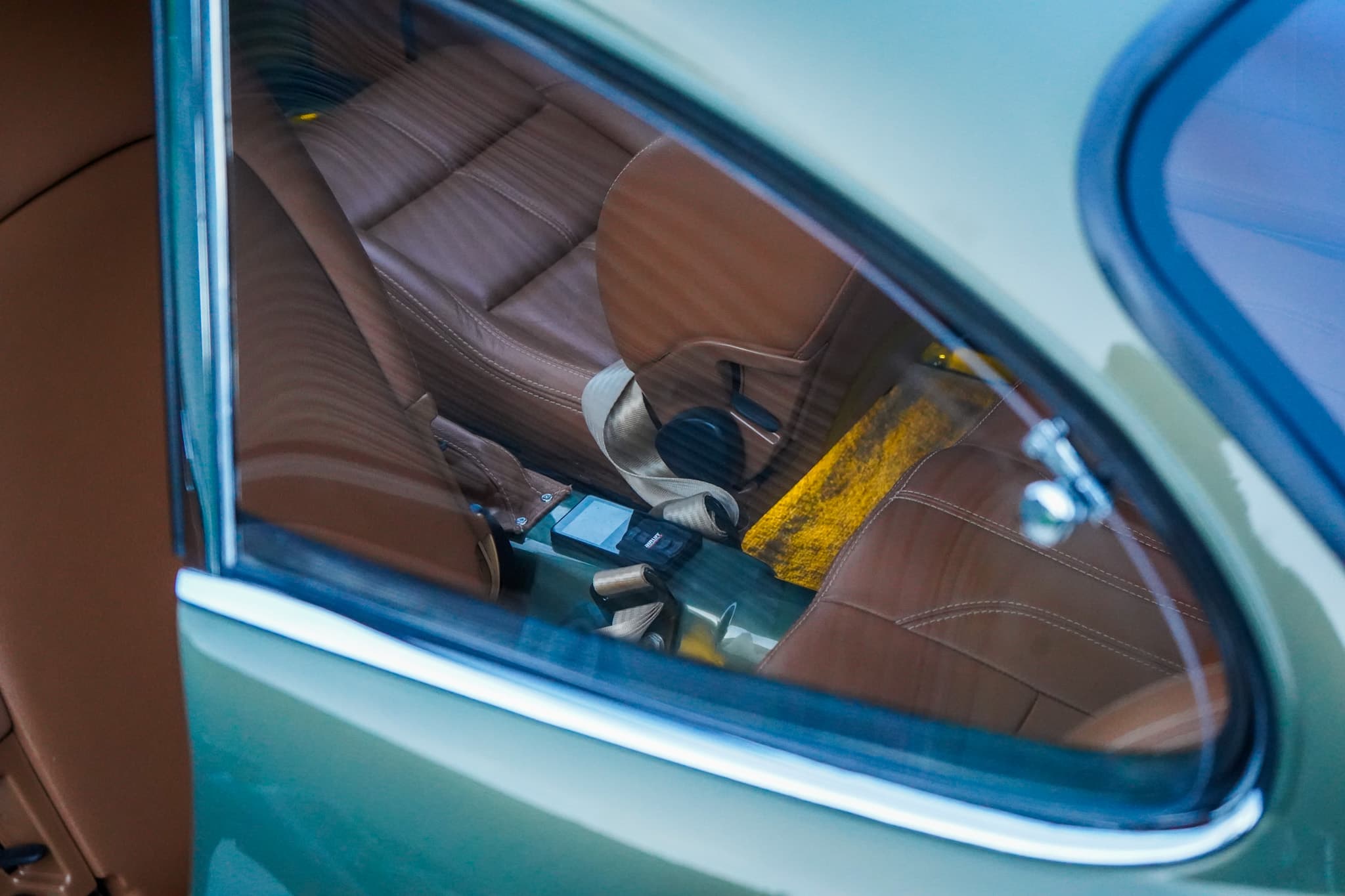
TMJC's Volkswagen connection is a 1970 Karmann Ghia Restomod, and the word Restomod is essential. The individual car is not a factory-specification reference: TMJC documents a rebuilt 2.1-litre engine, a right-hand-drive conversion, a roof chop, air suspension, upgraded brakes and numerous bespoke interior and mechanical changes.
TMJC's car illustrates a central question in the air-cooled Volkswagen collector world: how much of the value and appeal lies in factory originality, and how much can lie in the quality and documentation of a later build? On a heavily modified car, invoices, restoration photographs, the identity of the builders and evidence for structural work can matter as much as a conventional factory option list.
See the TMJC Volkswagen Karmann Ghia Restomod. For a broader document-led approach, use our collector-car provenance checklist.
For an original or sympathetically restored Karmann Ghia, the body deserves more attention than an attractive paint finish suggests. Hagerty's UK buying guide highlights hidden corrosion in heater channels, the structural importance of the sills, rust in the front boot and battery area, and familiar problem zones around floors, arches, pillars and window surrounds. Cabriolets deserve particular structural scrutiny.
Completeness deserves the same scrutiny. Hagerty notes that some model years use year-specific trim pieces, so a superficially minor missing item can turn into a lengthy originality hunt. By contrast, the Beetle-derived mechanical side enjoys strong parts and specialist support. That difference can shape a project: a tired but structurally sound, complete car can be a very different proposition from a shiny example concealing poor body repairs or missing hard-to-source detail parts.
On a Restomod such as TMJC's car, the inspection changes again. The question is not whether every component matches the original factory specification; it is whether the changes were engineered, installed and documented to a standard that justifies departing from it.
For a collector-focused overview, four periods explain much of the marque's identity:
Together, those eras explain why early cars share so much mechanical DNA and why the Golf was such a genuine reset.
Editorial information
Research and editorial from TMJC Garage.
Research and editorialTMJC Garage
Reviewed byMatt Johnston
Last reviewed26 October 2026
Published byThe Matt Johnston Collection
TMJC photography
TMJC Guides
TMJC assistance
Continue to the main TMJC website and speak directly with the collection team.
Sell, consign or source
Continue with TMJC for a discreet conversation, professional presentation and collector-focused support.
Enquire now