TMJC assistance
Want TMJC to help with this vehicle?
Sourcing, consignment and valuationContinue to the main TMJC website and speak directly with the collection team.
Manufacturer
MINI history from the 1959 Issigonis original through Cooper rally success to BMW ownership, Oxford production and the modern MINI era from 2001.
Model directory
Choose a MINI model family to compare its generations, engines, body styles and collector context.
TMJC guide
MINI history from the 1959 Issigonis original through Cooper rally success to BMW ownership, Oxford production and the modern MINI era from 2001.
MINI is a British automotive marque with two connected histories: the original small car created for the British Motor Corporation in 1959, and the modern all-capitals MINI developed under BMW Group ownership and produced from 2001. The link between them is more than retro styling. Both eras centre on compact packaging, front-wheel-drive roots, distinctive design and the idea that a small car can be unusually engaging.
All three dates matter, but they describe different things.
The original car was revealed by the British Motor Corporation on 26 August 1959 as the Morris Mini-Minor and Austin Seven. Alec Issigonis led the project, which responded to a need for an economical small car without accepting that small exterior dimensions required a cramped cabin.
Mini did not immediately begin as a single standalone marque. Austin adopted the Mini name during the 1960s, while Morris continued with Mini-Minor. The British Motor Museum notes that 1969 is a defensible date for Mini becoming a brand in its own right, when the Austin and Morris badges were dropped and the car wore its own Mini badge.
The third date is 2001. BMW Group Classic distinguishes the 1959-2000 classic Mini from the all-capitals MINI used for the new generation. That modern car entered production at Oxford on 26 April 2001 after BMW had acquired Rover Group, including Mini, in 1994.
The distinction is useful: 1959 is the heritage origin, 1969 marks Mini becoming a standalone badge, and 2001 begins the modern MINI era.
Issigonis's layout was the original car's defining achievement. Its four-cylinder engine sat transversely at the front, driving the front wheels, with the gearbox packaged in the sump. Small wheels and a wheel-at-each-corner stance left an unusually high proportion of the car's length available to passengers.
Those decisions helped make the Mini influential far beyond its own production run. The basic formula of a transverse front engine and front-wheel drive became normal for small cars, while the Mini also proved that efficient packaging did not have to mean dull handling.
The modern MINI is much larger and begins a distinct new generation, but it deliberately carries forward the short-overhang stance, four-seat hatchback concept and handling-led character. The resemblance is an interpretation rather than a claim that the 1959 structure simply continued.
The answer depends on which era you mean. The original Mini was designed by Alec Issigonis for the British Motor Corporation. The Mini Cooper was the performance version developed with racing-car constructor John Cooper and launched in September 1961 with BMC backing. The modern MINI Cooper belongs to the BMW Group-owned MINI marque; the first modern MINI generation entered production at Oxford in 2001.
Racing-car constructor John Cooper recognised that the Mini's light weight and agility could support much more performance. The Mini Cooper followed in 1961, and the more powerful Cooper S helped establish the name in rallying.
Overall Monte Carlo Rally victories in 1964, 1965 and 1967 turned a practical economy car into a competition icon. That history explains why Cooper and John Cooper Works names remain central to MINI's sporting range rather than serving as decorative trim alone.
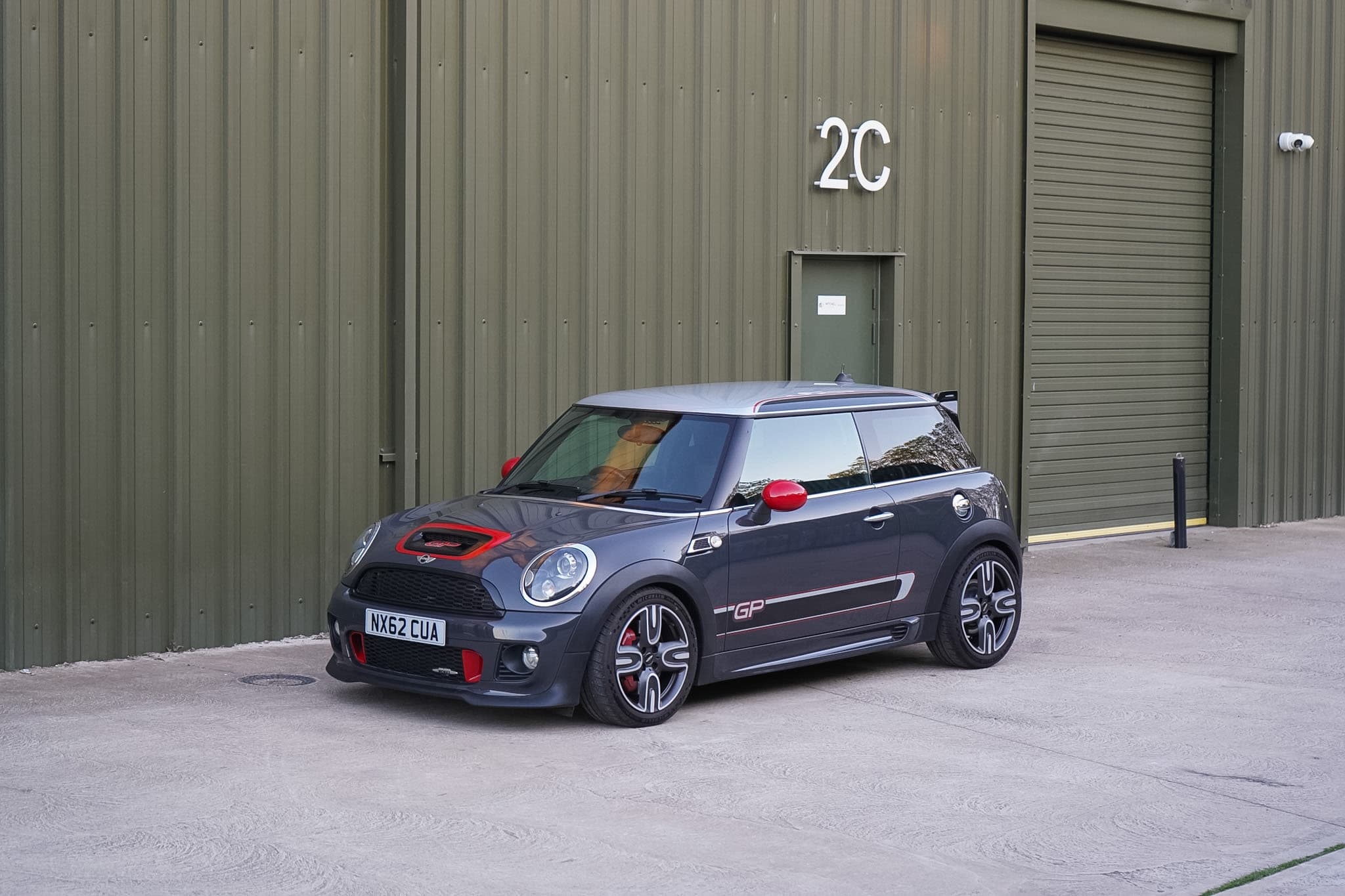
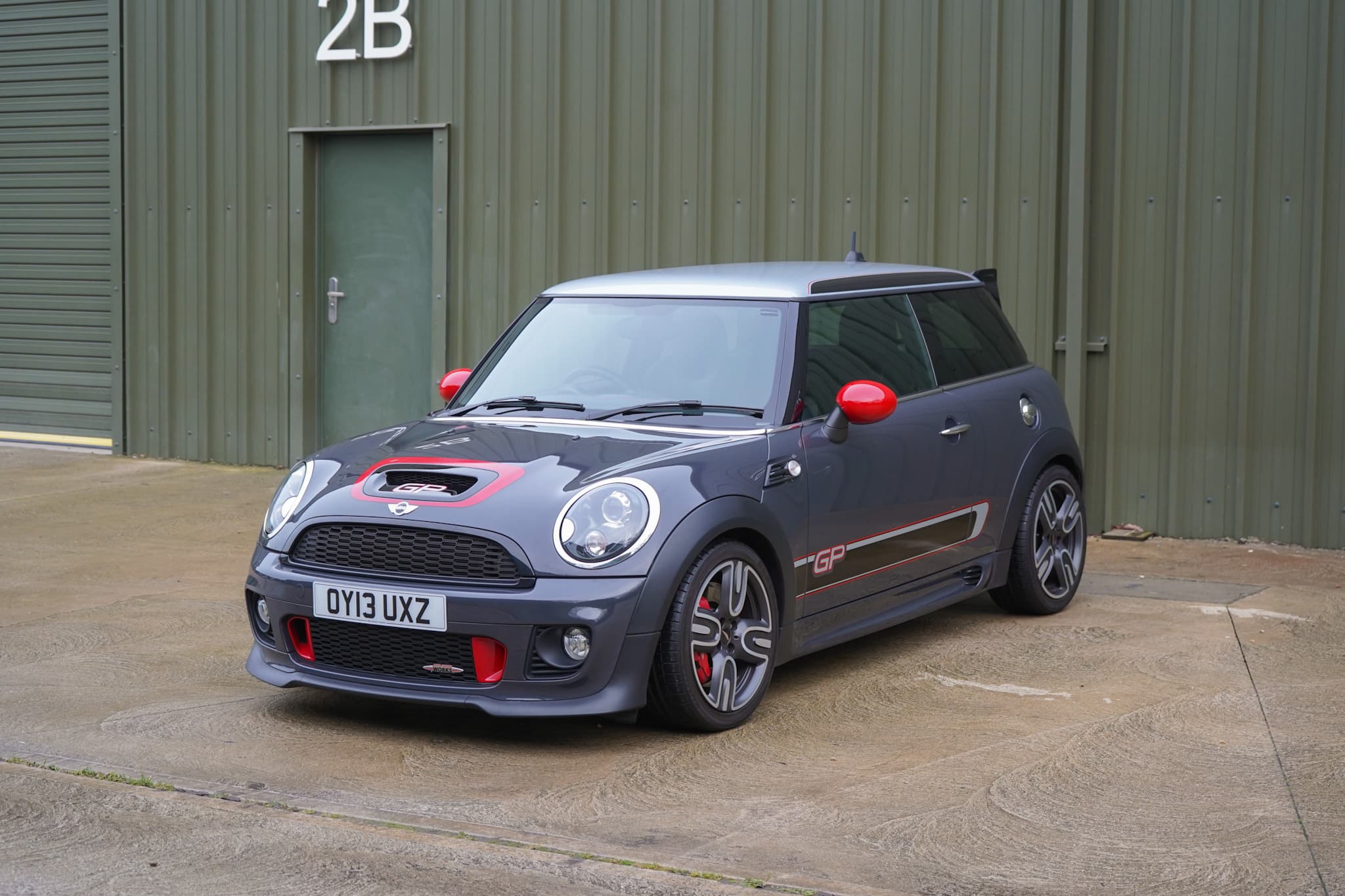
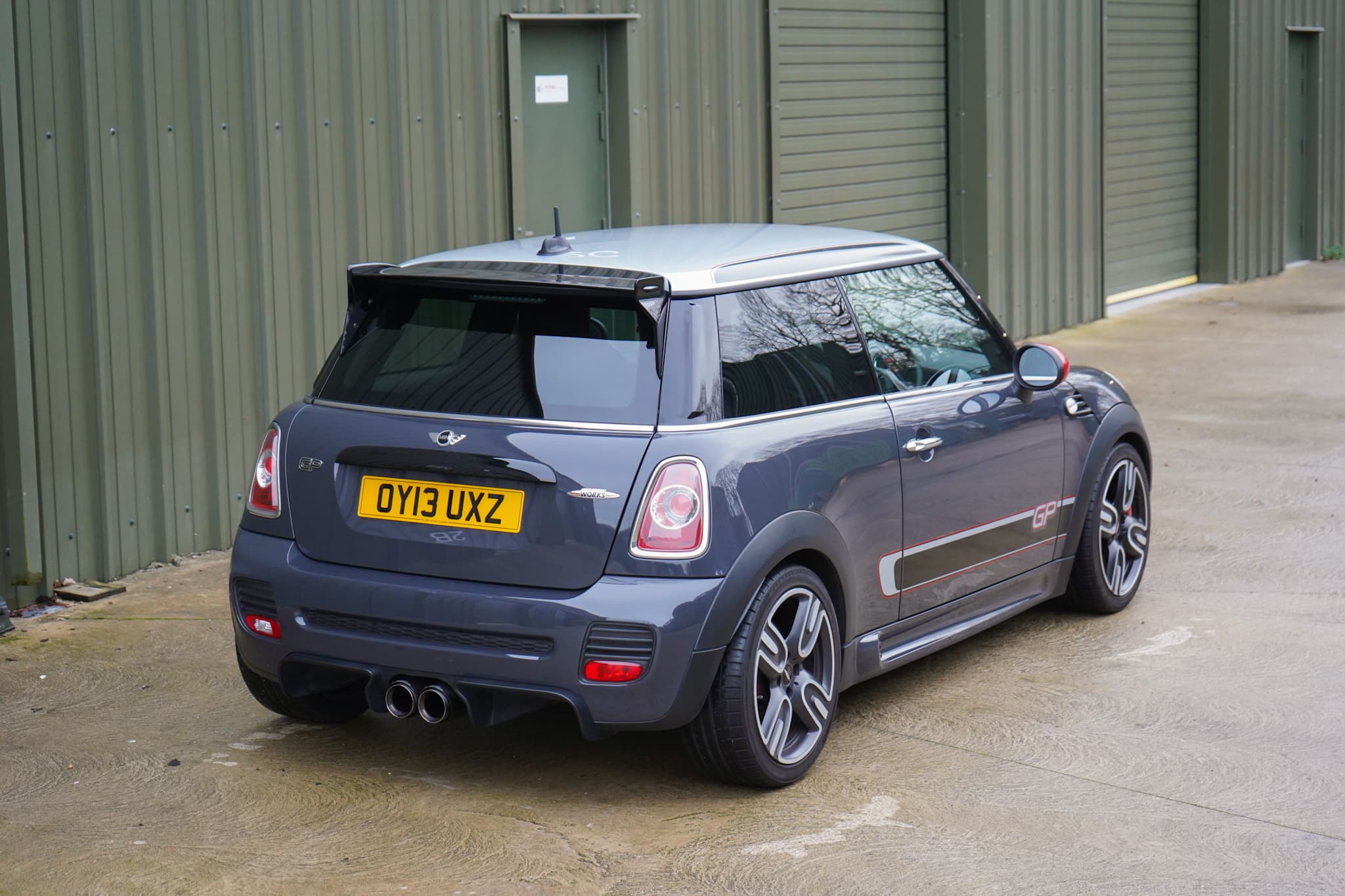
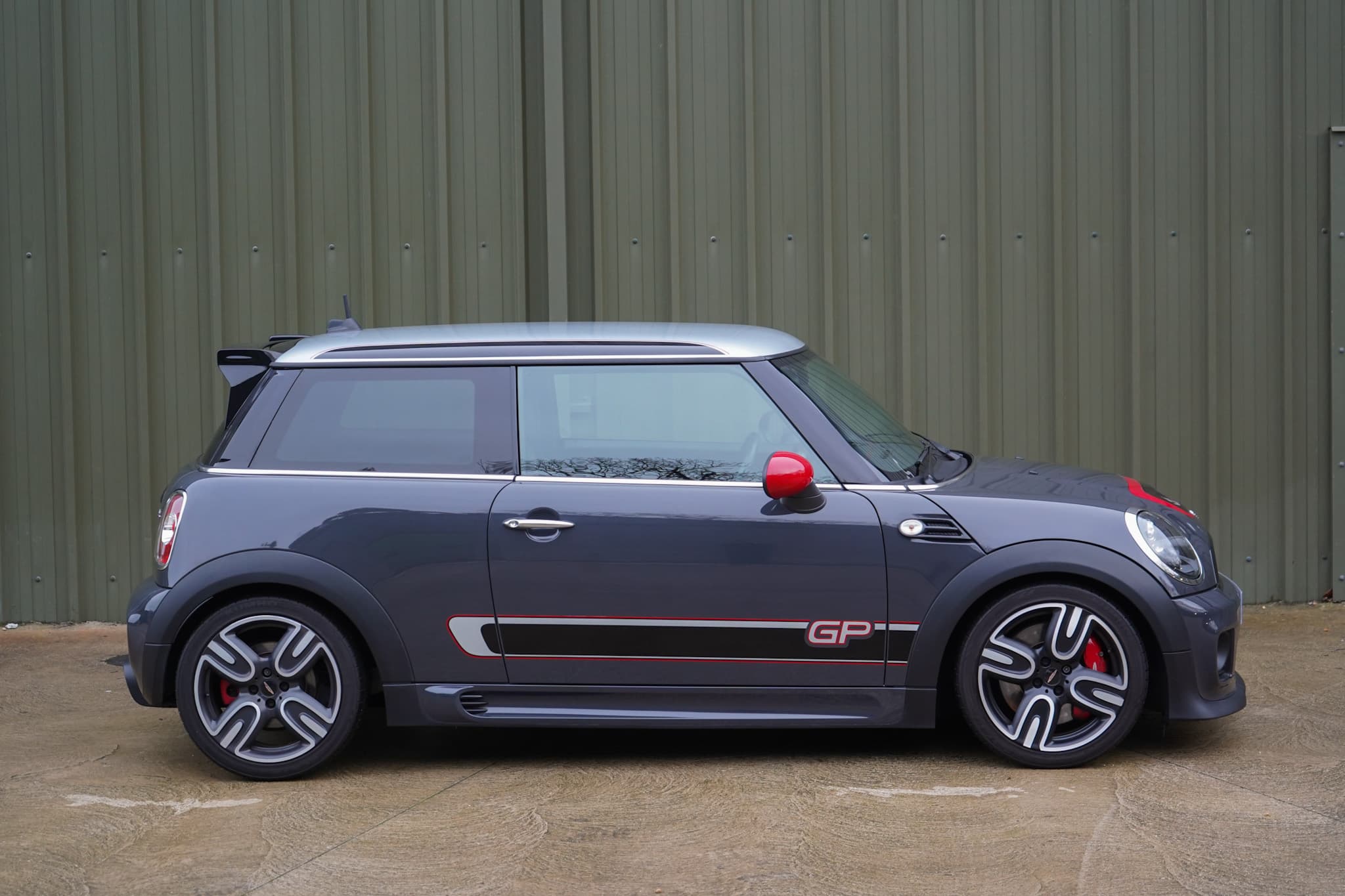
The modern performance line developed across several levels, from Cooper S road cars to John Cooper Works models and limited GP derivatives. For the exact R56 special edition represented by TMJC, see the GP2 originality guide, which focuses on factory identity, specification and provenance.
Classic Mini production continued for 41 years and exceeded 5.3 million cars before the final example left Longbridge in October 2000. During that time the car passed through BMC, British Leyland, Austin Rover and Rover Group stewardship, with names and ownership changing around a remarkably persistent basic design.
BMW acquired Rover Group in 1994. When the wider group was broken up in 2000, BMW retained Mini and the Oxford plant needed for the new car. The first modern MINI was shown in production form in late 2000, and Oxford-built cars reached the market in 2001.
That transition created a useful collector boundary. A classic Mini is the long-running Issigonis design built through 2000. A modern MINI begins with the first BMW Group generation, commonly known by its R50 family code. The BMW manufacturer reference provides the parent-company context, but MINI retains its own British origin and marque identity.
The production MINI launched for 2001 was not simply the classic Issigonis car redrawn at a larger scale. After BMW acquired Rover Group in 1994, BMW and Rover design teams pursued competing ideas for its successor. MINI's own heritage account says the proposals were compared at Gaydon in October 1995: Rover stayed closer to the original car's size and simplicity, while BMW wanted a sportier, more premium small car.
The design selected from the BMW side was created by Frank Stephenson and, according to MINI, formed the basis of the production car. That distinction matters because another well-known mid-1990s study followed a different path. Adrian van Hooydonk's proposal was rejected in 1995 and later developed into the ACV 30 concept shown in January 1997. The ACV 30 used MG F underpinnings and rear-wheel drive; the production MINI retained a front-engine, front-wheel-drive layout.
The concepts still explain how the modern car's visual identity developed. MINI traces details including round headlamps, the contrasting floating-roof treatment and a prominent central speedometer through this design period, while BMW Group describes the broader aim as preserving the original's character without simply copying it. The result was deliberately recognisable as a Mini, but positioned and engineered as a new premium small car.
For collectors, period concept material is therefore useful evidence of design thinking, not proof of production specification. The final car and its build records remain the better guide to what an individual MINI actually left the factory with.
The useful answer is that MINI is British by origin and brand identity, but owned by BMW Group. Those two facts do not conflict. BMW acquired Rover Group, including Mini, in 1994 and developed the modern MINI that entered production at Oxford in 2001. BMW's own 2026 anniversary material still describes the marque through its British heritage and Oxford manufacturing story.
Where a particular MINI was built is a separate question. Oxford remains central to modern MINI production, but the badge is not proof that every car came from Britain. BMW Group began production of the current Countryman at Leipzig in November 2023, describing it as the first MINI model made in Germany.
The current-generation Oxford picture is more specific than simply “the petrol Cooper”. BMW's November 2024 production release says the Cooper Convertible joined the Cooper 3-Door and Cooper 5-Door at Oxford, making the plant home of the MINI Cooper family. On 23 April 2026 BMW said 4,671,664 modern MINIs had been produced in the UK since 2001; that is a dated production milestone rather than a final total.
Electric production follows a different map. BMW announced in September 2023 that Oxford would also build the all-electric Cooper 3-Door and Aceman from 2026, while initial production of those cars was assigned to the Zhangjiagang joint venture in China. The Oxford timetable was later postponed. A June 2026 production-status report still described Oxford as limited to combustion-engined MINIs, with the electric Cooper and Aceman remaining in China and both electric and combustion Countryman production at Leipzig.
Until BMW publishes a new Oxford battery-electric production start, the 2023 plan should not be treated as a completed event. For owners and buyers, the practical rule is simple: brand nationality, corporate ownership and assembly country are three different pieces of information. If build location matters for parts, provenance or originality, start with the exact model, production date and vehicle records rather than assuming “British MINI” means “built at Oxford”.
The three-door hatch remains the clearest expression of the marque. Follow the MINI Hatch page for its generation sequence, including the second modern generation known as the R56.
MINI has also expanded the idea into Convertibles, Clubman estates, Countryman crossovers and shorter-lived Coupe, Roadster and Paceman derivatives. More recently the range has added electric models and the Aceman. These branches differ substantially in size, platform and intended use, so a marque-level description should not imply they share one specification.
The useful constant is design and positioning: recognisable proportions and graphic details, extensive personalisation, and an emphasis on responsive road manners. The engineering beneath those themes has changed repeatedly across generations.
Oxford links both eras. The first Morris Mini-Minor left Cowley in May 1959, and the plant produced classic Minis for a decade. Modern MINI production returned there in 2001 after major BMW Group investment.
Oxford is important, but it is not the whole UK manufacturing story. BMW Group's network has also included Swindon for body pressings and Hams Hall for engines. “British brand” therefore describes origin and identity; it should not be treated as a claim about the assembly location of every individual car.
Collector interest spans very different objects. Early classic Minis reward careful checking of shell identity, corrosion, restoration quality and period-correct specification. First-generation modern cars are increasingly valued for their compact dimensions and relatively direct driving feel. Limited John Cooper Works GP models add rarity, numbered identity and a stronger requirement for evidence of original specification.
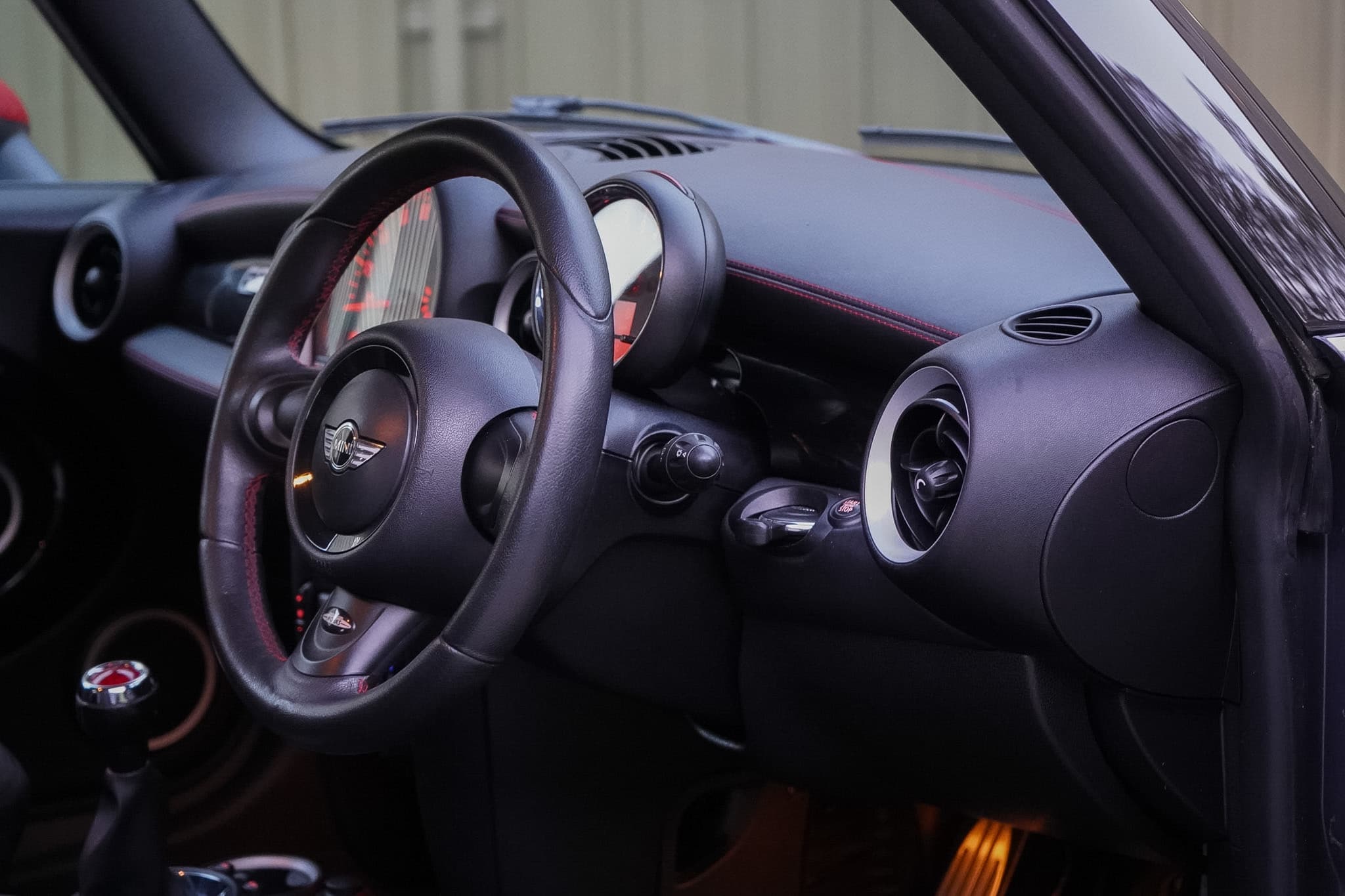
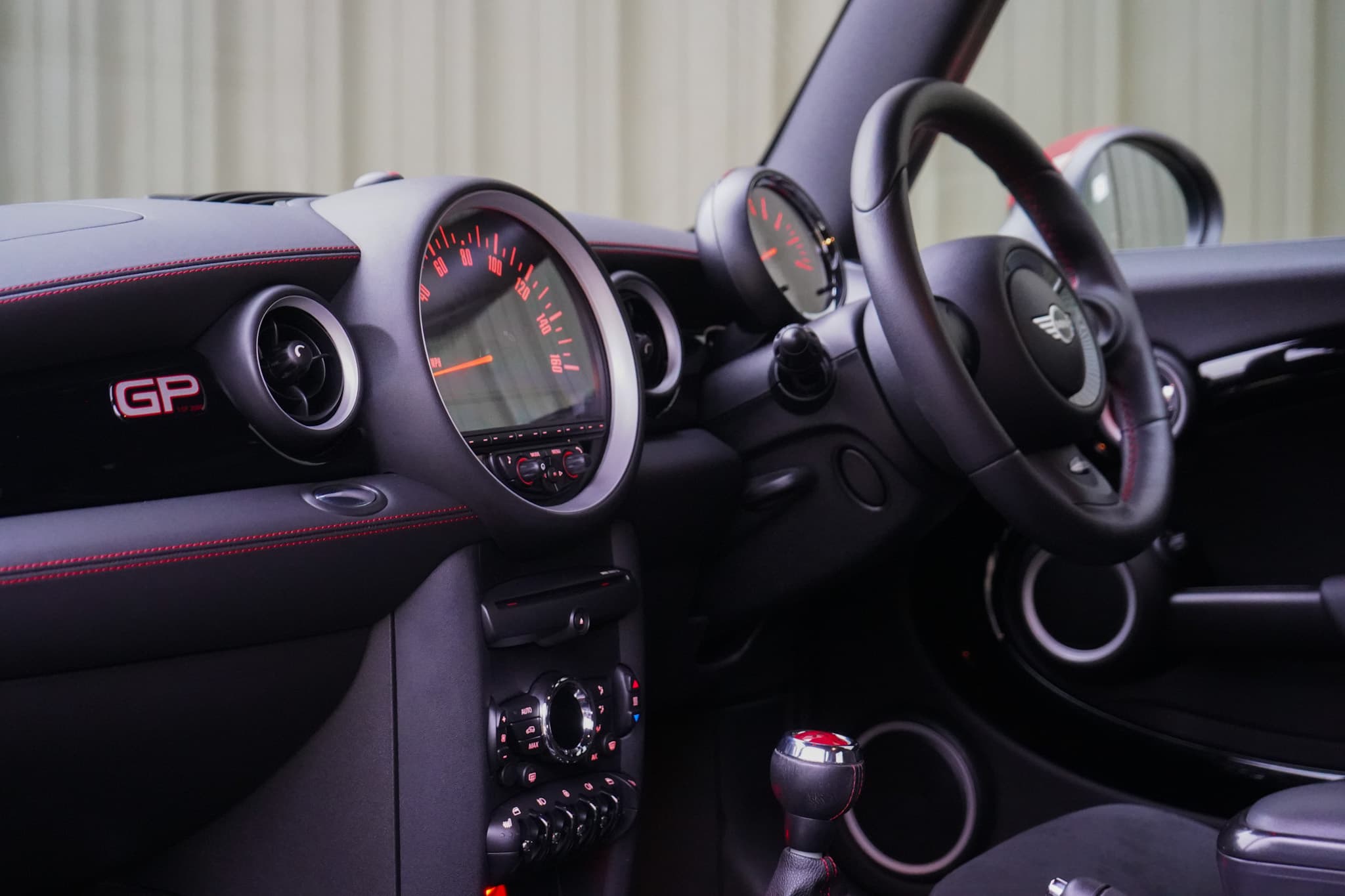
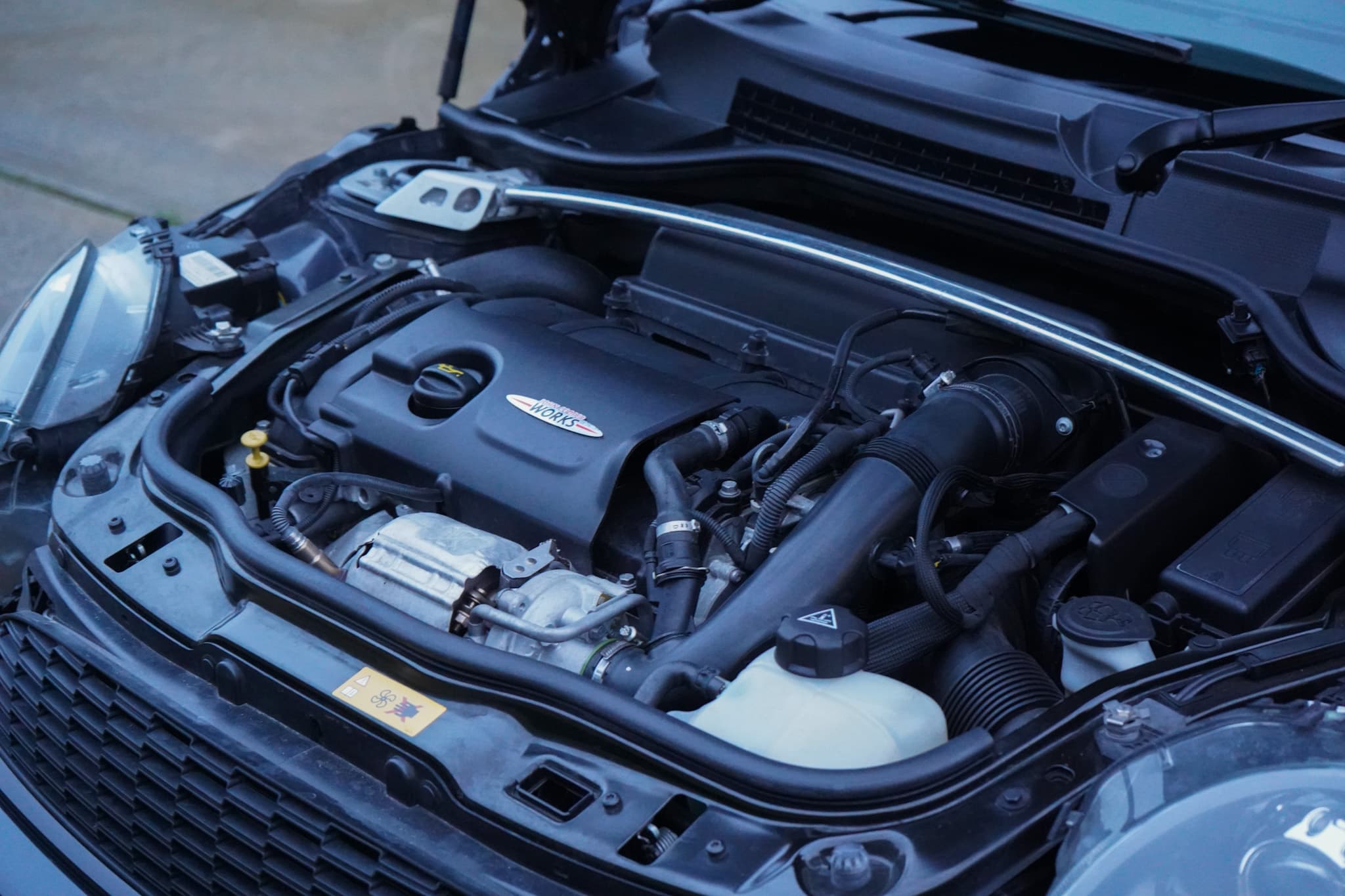
TMJC's 2013 GP2 is useful as an individual case study. Its history file, numbered details and originality evidence show how a buyer can verify a special MINI. Those records describe that car, not every GP2 or the wider marque.
That distinction matters throughout the MINI story. The badge supplies a lineage; documentary evidence establishes what any particular car actually is.
Editorial information
Research and editorial from TMJC Garage.
Research and editorialTMJC Garage
Reviewed byMatt Johnston
Last reviewed20 September 2026
Published byThe Matt Johnston Collection
TMJC photography
TMJC Guides
TMJC assistance
Continue to the main TMJC website and speak directly with the collection team.
Sell, consign or source
Continue with TMJC for a discreet conversation, professional presentation and collector-focused support.
Enquire now